
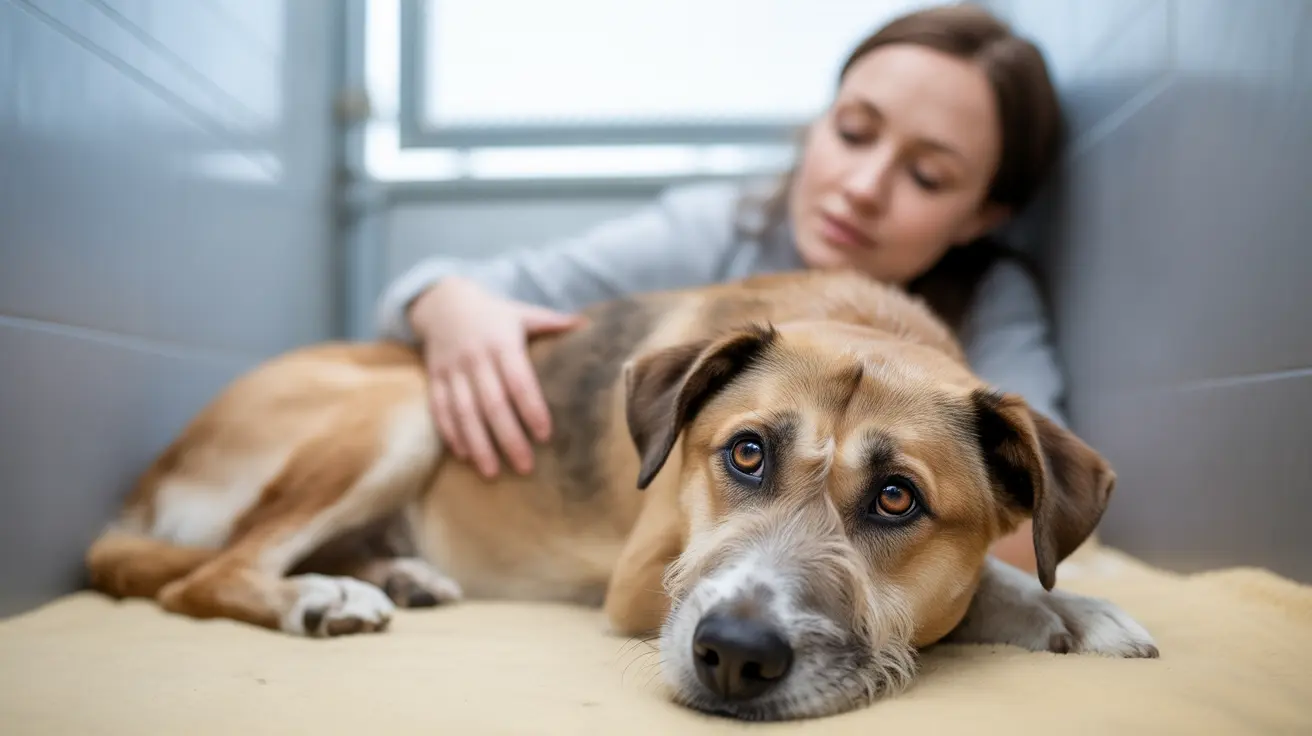
A shocking animal hoarding Nebraska case has emerged from the small community of Pilger, where authorities removed 52 animals and seven juveniles from a single residence after executing search warrants. The Stanton County Sheriff's office served the warrant at 405 East Oak Street on Thursday, uncovering conditions deemed unsafe and unsanitary for both children and animals.
This disturbing case highlights the complex intersection of child welfare and animal protection in rural communities. When hoarding situations develop, they rarely affect just one species – both vulnerable children and helpless pets often suffer together in deplorable conditions that can escalate quickly without intervention.
Understanding the Pilger Animal Cruelty Case
The Stanton County Sheriff's office action resulted in the immediate removal of all occupants from the residence due to unsafe living conditions. While specific details about the animals' conditions haven't been released, the sheer number – 52 animals – suggests a severe hoarding situation that likely developed over months or years.
The Nebraska Department of Health and Human Services (DHHS) took custody of the seven juveniles, indicating that the unsafe conditions extended beyond animal welfare to serious child endangerment concerns. This dual custody action underscores how animal hoarding rarely exists in isolation from other serious household dysfunction.
Signs of Pet Neglect in Rural Communities
Rural areas like Pilger can present unique challenges for identifying and reporting animal abuse. Distance between properties and cultural norms around privacy can delay intervention. Key warning signs include:
- Multiple animals appearing malnourished or unkempt
- Strong odors emanating from properties
- Excessive barking or animal noise complaints
- Visible accumulation of animal waste around homes
Property owners who seem overwhelmed by their animal care responsibilities or who become increasingly isolated may also be experiencing hoarding situations.
Pet owners should monitor their ability to provide adequate food, water, shelter, and veterinary care for all animals in their custody. When the number of animals exceeds an owner's capacity to meet basic needs, serious welfare issues inevitably develop.
Reporting Animal Abuse in Rural Areas
Rural Nebraska welfare reporting can be challenging due to geographic isolation, but multiple reporting channels exist. Local sheriff's offices, county animal control departments, and state authorities all accept reports of suspected animal cruelty or neglect. Anonymous reporting is available through various hotlines.
Community members play a crucial role in protecting vulnerable animals and children. When residents notice concerning patterns or conditions, prompt reporting can prevent situations from escalating to the severity witnessed in Pilger.
Seized Animals Rehabilitation Process
The 52 animals removed from the Pilger residence will require comprehensive veterinary evaluation and potential rehabilitation before placement in new homes. This process typically includes medical examinations, treatment for malnutrition or disease, behavioral assessment, and gradual socialization.
Rehabilitation timelines vary significantly based on each animal's condition and species. Some animals may require weeks or months of medical care and behavioral modification before they're ready for adoption. Severely traumatized animals may need specialized long-term care or may sadly be deemed unsuitable for rehoming.
Hoarding Mental Health Pets Connection
Animal hoarding often stems from underlying mental health conditions, including anxiety disorders, depression, or obsessive-compulsive behaviors. Hoarders typically believe they're rescuing or caring for animals, but their capacity becomes overwhelmed, leading to severe neglect.
Effective intervention requires addressing both the immediate animal welfare crisis and the underlying psychological factors that created the situation. Without mental health support, hoarders frequently reaccumulate animals, perpetuating the cycle of neglect.
Post-Tornado Pilger Community Vigilance
Pilger's recent history includes devastating tornado damage, which can strain community resources and potentially mask developing welfare issues. Natural disasters sometimes exacerbate existing problems or create new vulnerabilities for both children and animals.
Community vigilance becomes even more critical during recovery periods when normal oversight systems may be disrupted. Neighbors, local officials, and service providers must maintain awareness of household conditions that may deteriorate without intervention.
Frequently Asked Questions
What are the signs of animal neglect and hoarding in rural homes?
Key indicators include multiple malnourished animals, strong odors, excessive animal noise, visible waste accumulation, and property owners who appear overwhelmed by animal care responsibilities. Isolation and defensive behavior about property access are also warning signs.
How can I report suspected animal cruelty or child neglect anonymously in Nebraska?
Contact local sheriff's offices, county animal control departments, or the Nebraska Department of Health and Human Services. Anonymous reporting hotlines are available, and many agencies accept reports through their websites or social media platforms.
What happens to animals seized in hoarding cases like the Pilger incident?
Seized animals undergo veterinary evaluation, medical treatment, behavioral assessment, and rehabilitation. The process can take weeks to months depending on each animal's condition. Some animals may be adopted after recovery, while severely compromised animals may require long-term specialized care or humane euthanasia.
The Pilger animal hoarding case serves as a stark reminder that animal welfare and child protection are often interconnected issues requiring community awareness and prompt intervention. By recognizing warning signs and reporting concerns promptly, rural communities can prevent similar situations from developing and protect their most vulnerable residents – both human and animal.




