
SICS Water Rescue School: The Premier Training Facility
At the heart of Italy's water rescue program lies the prestigious SICS (Italian School of Water Rescue Dogs), where future canine lifeguards undergo rigorous preparation. This specialized facility has developed comprehensive training protocols that maximize the natural water rescue capabilities of Newfoundland dogs while ensuring they can work effectively alongside human rescue teams.
The training process is methodical and progressive, building upon each dog's instinctive swimming abilities while teaching them specific rescue techniques. Instructors work closely with both dogs and their handlers to create seamless rescue teams capable of operating in challenging maritime conditions.
Newfoundland Breed Water Rescue: Natural Born Lifeguards
The selection of Newfoundland dogs for water rescue work isn't coincidental. These remarkable canines possess several key Newfoundland dog physical traits that make them ideally suited for aquatic emergencies. Their webbed feet act as natural paddles, while their double-layered, water-resistant coat provides insulation in cold water conditions.
Perhaps most importantly, Newfoundland dog swimming abilities are legendary within the canine world. These powerful dogs can maintain steady speeds while towing significant weight, making them perfect for rescuing struggling swimmers or transporting rescue equipment to distressed vessels.
Water Rescue Dog Training Techniques and Equipment
The training regimen for Italian beach rescue dogs incorporates advanced water rescue dog training techniques that prepare them for real-world emergency scenarios. Dogs learn to approach panicked swimmers calmly, present themselves for rescue, and tow victims to safety using specialized equipment.
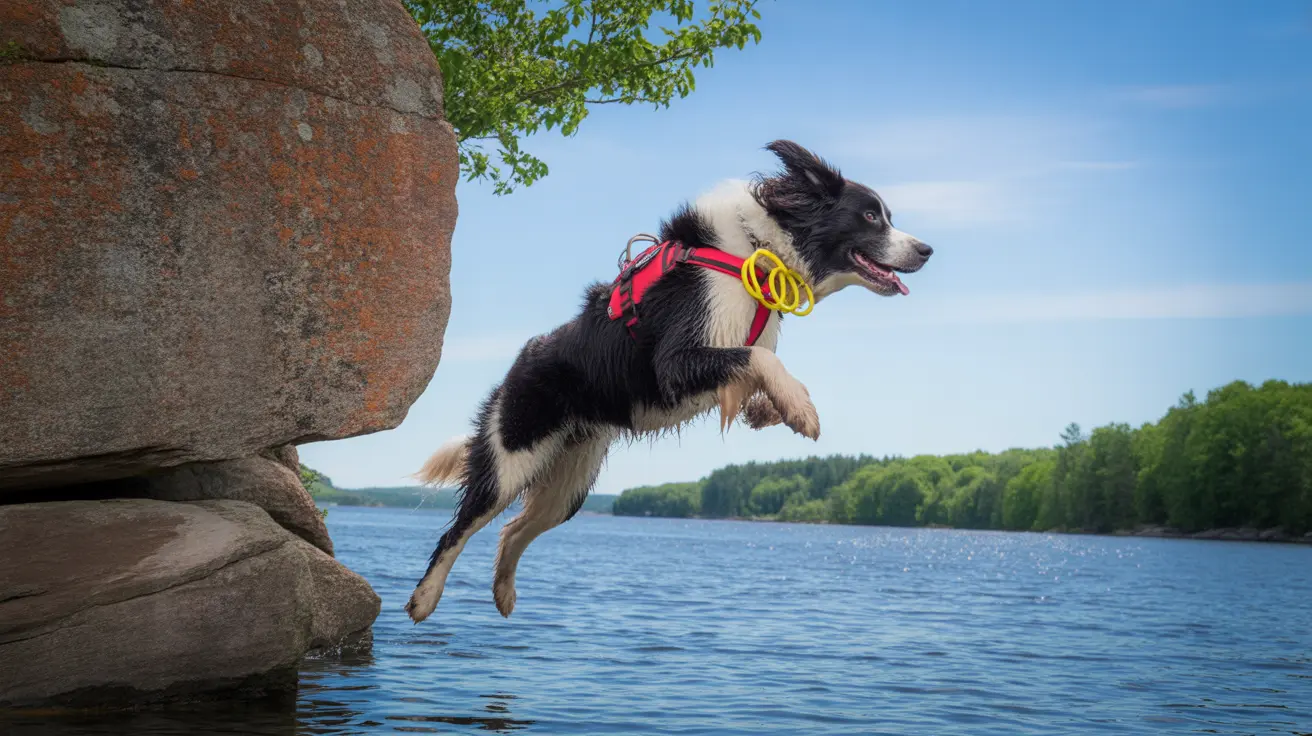
A crucial component of their gear is the water rescue dog harness, designed specifically for maritime operations. This equipment allows rescuers to grab onto the dog safely while being towed to shore, and it can support the weight of multiple people during emergency situations.
Advanced Training: The Dolphin System and Helicopter Operations
One of the most impressive aspects of Italian water rescue training involves the "dolphin system," a technique where dogs leap in and out of the water like dolphins while approaching rescue targets. This method helps them cover greater distances more efficiently while conserving energy for the actual rescue operation.
Some elite units even participate in helicopter rescue dog training, learning to deploy from aircraft directly into the water. This advanced capability allows rescue teams to reach emergency situations far from shore, dramatically expanding their operational range.
How to Train Water Rescue Dogs: Essential Considerations
For pet owners interested in water rescue training, it's important to understand that not all dogs are suitable candidates. The process requires dogs with strong swimming instincts, calm temperaments, and excellent physical conditioning. Professional instruction is essential, as improper training can be dangerous for both dogs and potential rescue victims.
Successful training programs emphasize gradual skill development, positive reinforcement, and consistent practice in various water conditions. Dogs must learn to distinguish between training exercises and real emergencies, responding appropriately to each situation.
Frequently Asked Questions
- How long does it take to train a Newfoundland dog to be a water rescue dog?
Professional water rescue training typically takes 18-24 months to complete, depending on the dog's natural abilities and the complexity of skills being taught. Dogs must master basic obedience, swimming techniques, rescue approaches, and equipment handling before receiving dog water rescue certification.
- What physical traits make Newfoundland dogs ideal for water rescue work?
Newfoundland dogs possess webbed feet for efficient swimming, water-resistant double coats for insulation, powerful builds for towing strength, and calm temperaments essential for working with panicked victims. Their natural swimming instincts and gentle nature make them perfect rescue companions.
- How much weight can a Newfoundland dog pull or tow in water?
A well-trained adult Newfoundland can tow multiple people simultaneously, with some dogs capable of pulling boats or rafts weighing several hundred pounds. Their Newfoundland dog strength towing capabilities are enhanced through specialized conditioning and proper harness systems.
Conclusion
The Italian Coast Guard's use of Newfoundland water rescue dogs represents a perfect marriage of natural canine abilities and human training expertise. These remarkable animals have proven that with proper preparation and equipment, dogs can play vital roles in maritime emergency response, saving countless lives each year along Italy's beaches.
For pet owners inspired by these heroic canines, remember that water rescue work requires professional training and certification. However, all dog owners can appreciate the incredible bond between humans and their four-legged partners, whether they're saving lives at sea or simply being beloved family companions.




