
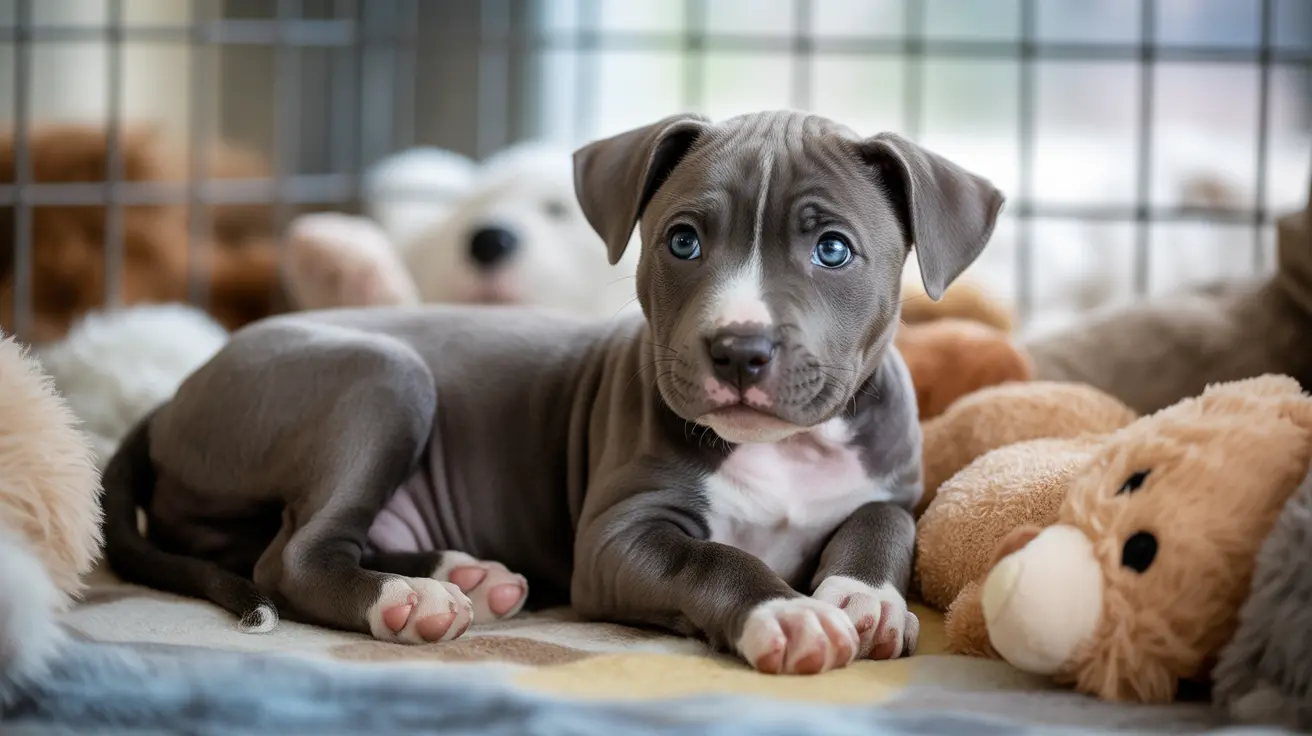
An 8-week-old puppy at a local animal shelter has captured hearts across social media after being photographed sleeping peacefully with stuffed animals. The tiny pit bull puppy, who found himself alone at the shelter, demonstrates classic signs of separation anxiety in puppies as he seeks comfort through cuddling with plush toys and shelter volunteers.
This heartwarming yet poignant story highlights the emotional challenges young puppies face when separated from their mothers and littermates too early. For pet parents considering adoption or currently raising young dogs, understanding puppy separation anxiety becomes crucial for providing proper care and support during this vulnerable developmental stage.
Understanding Separation Anxiety in Puppies
Separation anxiety in puppies is a common behavioral condition that occurs when young dogs experience distress upon being left alone or separated from their primary caregivers. This 8-week-old shelter puppy's attachment to stuffed animals represents a natural coping mechanism, as he seeks the warmth and comfort typically provided by his mother and siblings.
Young puppies, especially those under 12 weeks old, are particularly susceptible to separation anxiety because they're still in critical socialization and bonding periods. The pit bull puppy's behavior of cuddling with stuffed toys demonstrates how animals instinctively seek comfort objects when experiencing stress or loneliness.
Signs of Dog Separation Anxiety
Pet parents should watch for several indicators that their puppy may be struggling with separation anxiety. These signs often mirror what shelter staff observed in this young pit bull puppy:
Excessive vocalization, including whining, barking, or howling when left alone, often indicates distress. Destructive behavior, such as chewing furniture or shoes, may occur as puppies attempt to cope with anxiety. Some puppies may also exhibit house training regression, have accidents indoors, or show changes in eating patterns.
Physical symptoms can include excessive drooling, panting, or pacing. The shelter puppy's attachment to stuffed animals represents a positive coping mechanism, as many anxious puppies seek comfort objects or safe spaces when feeling overwhelmed.
How to Treat Puppy Separation Anxiety
Addressing separation anxiety requires patience, consistency, and often multiple approaches. The success of stuffed toys for anxious puppies, as demonstrated by this shelter story, shows how comfort objects can play a valuable role in treatment plans.
Desensitization for Puppies
Gradual desensitization helps puppies build confidence when spending time alone. Start with very short separations—just a few minutes—and gradually increase the duration as your puppy shows comfort. This process teaches puppies that being alone is temporary and safe.
Create positive associations with alone time by providing special toys or treats that only appear during these periods. The shelter puppy's stuffed animals serve this exact purpose, offering comfort and distraction during stressful moments.
Counterconditioning Dogs
Counterconditioning involves changing your puppy's emotional response to being alone from negative to positive. Pair departures with enjoyable activities like puzzle toys, special treats, or comfortable resting areas with familiar scents.
Establish consistent routines that signal safety and predictability. The shelter's approach of providing stuffed animals creates a reliable source of comfort, helping the puppy associate alone time with soothing experiences rather than abandonment.
Professional Treatment Options
For severe cases, veterinarians may recommend additional interventions. DAP pheromone for puppies (Dog Appeasing Pheromone) can create calming environments that mimic natural maternal comfort signals. These synthetic pheromones are particularly helpful for shelter puppies who've been separated from their mothers early.
In extreme cases, medications like fluoxetine for dogs or clomipramine separation anxiety treatments may be prescribed by veterinarians. However, these options are typically reserved for older puppies and dogs when behavioral modifications alone prove insufficient.
Preventing Puppy Separation Anxiety
Early intervention and proper socialization significantly reduce separation anxiety risks. Gradually introduce alone time from a young age, provide consistent routines, and ensure puppies have positive experiences with independence.
Creating safe, comfortable spaces with appropriate toys—like the stuffed animals that comfort this shelter puppy—helps establish security during alone time. Regular exercise and mental stimulation also reduce anxiety by promoting relaxation and confidence.
Frequently Asked Questions
How can I help my 8-week-old puppy with separation anxiety using stuffed toys and training?
Provide soft, appropriately-sized stuffed animals that can serve as comfort objects, similar to how the shelter puppy finds solace in plush toys. Combine this with gradual alone-time training, starting with just a few minutes and slowly increasing duration as your puppy shows comfort and confidence.
What are the signs of separation anxiety in young shelter puppies like pit bulls?
Watch for excessive vocalization, destructive behavior, house training accidents, changes in appetite, and seeking comfort through objects or excessive attachment to caregivers. The shelter puppy's behavior of cuddling stuffed animals is actually a positive coping mechanism compared to more destructive responses.
Are medications like fluoxetine safe for puppies with separation anxiety, and when should I use them?
Medications should only be prescribed by veterinarians and are typically reserved for severe cases in older puppies when behavioral modifications prove insufficient. Most young puppies respond well to environmental management, gradual training, and comfort objects before medication becomes necessary.
Moving Forward with Compassion
This shelter puppy's story reminds us that separation anxiety in young dogs requires understanding, patience, and appropriate support systems. While his journey toward finding a forever home continues, his resilience and ability to find comfort in simple stuffed animals demonstrates the remarkable adaptability of puppies when provided with proper care and compassion.




