
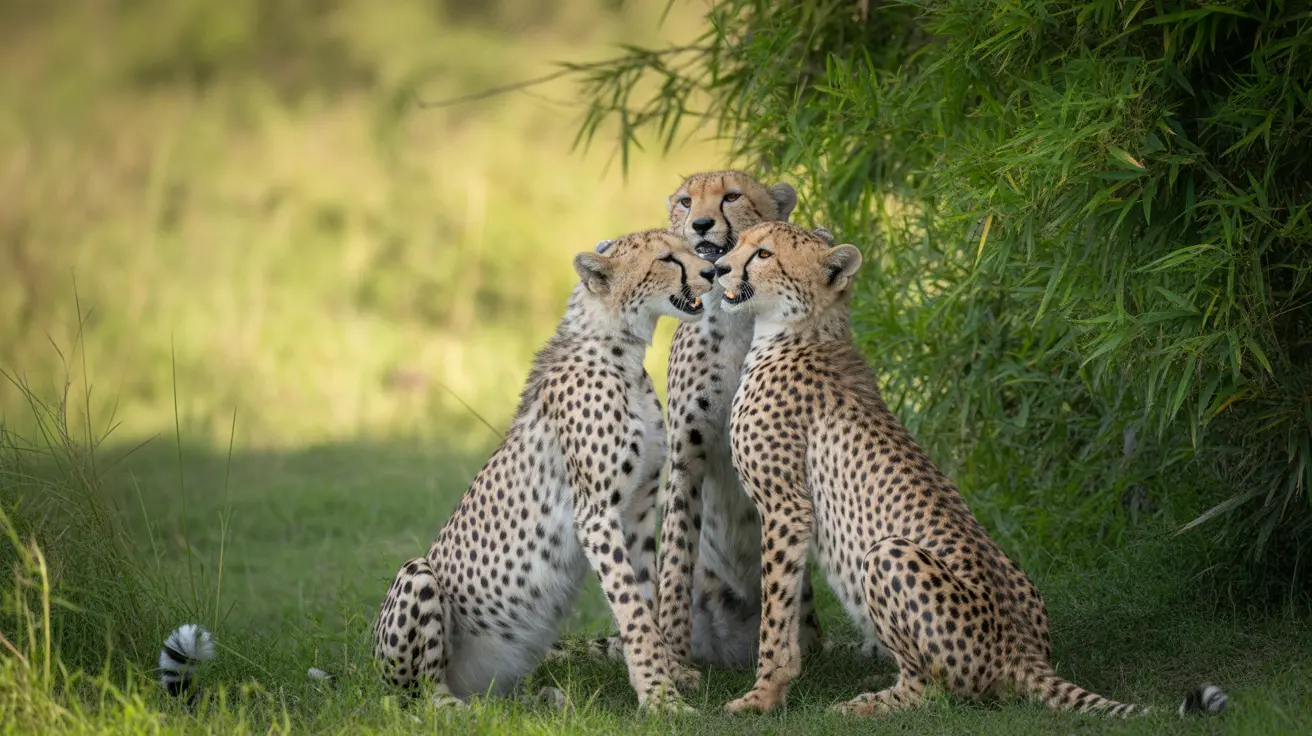
The Saint Louis Zoo has become a beacon of hope for endangered species conservation, recently welcoming several precious new arrivals that represent critical victories in the fight to save vulnerable wildlife. Among these remarkable births are a cheetah cub, African painted dog puppies, and an Amur leopard cub – each playing a vital role in ensuring genetic diversity and species survival for future generations.
These Saint Louis Zoo births aren't just adorable additions to the animal kingdom; they're carefully orchestrated conservation milestones that contribute to global efforts to protect some of the world's most threatened species. Every birth represents months of meticulous planning, specialized veterinary care, and collaboration with international breeding programs designed to maintain healthy populations of endangered animals.
The Significance of Cheetah Conservation at Saint Louis Zoo
The recent cheetah cub Saint Louis Zoo birth marks a particularly significant achievement in wildlife conservation. Cheetahs face severe threats in the wild, with only approximately 7,000 individuals remaining across Africa and a small population in Iran. The cheetah genetic diversity maintained through zoo breeding programs like the one at Saint Louis Zoo helps ensure that future generations of these magnificent cats retain the biological resilience needed for species survival.
The AZA Species Survival Plan coordinates cheetah breeding recommendations across participating zoos, carefully managing genetic lines to prevent inbreeding and maintain healthy populations. Each cheetah cub born through these programs carries genes that may prove crucial for the species' long-term survival, making every birth a celebration not just for the zoo community but for conservation worldwide.
African Painted Dog Puppies: A Conservation Success Story
The arrival of African painted dog puppies at the Saint Louis Zoo represents another triumph for endangered species protection. African painted dogs, also known as wild dogs, are among Africa's most endangered carnivores, with fewer than 6,600 individuals remaining in fragmented populations across the continent.
The painted dog breeding zoo programs play a crucial role in maintaining genetic diversity while educating the public about these remarkable pack hunters. Unlike many carnivores, painted dogs have complex social structures that make their care particularly challenging, requiring specialized knowledge of their behavioral needs and group dynamics.
Zoo Conservation Programs: Beyond the Headlines
Wildlife breeding programs at accredited zoos like Saint Louis Zoo operate under strict scientific protocols designed to maximize conservation impact. These programs don't simply aim to produce cute babies for public enjoyment – they're sophisticated genetic management systems that track lineages, manage breeding recommendations, and coordinate with field conservation efforts.
The zoo neonatal care carnivores receive involves round-the-clock monitoring, specialized nutrition plans, and careful socialization protocols. Newborn cubs and puppies require different care depending on their species, with some needing hand-rearing while others benefit from natural maternal care under close veterinary supervision.
The Role of Amur Leopard Conservation
Among the most critically endangered big cats globally, Amur leopards number fewer than 200 individuals in the wild. An Amur leopard cub zoo birth represents hope for one of the world's rarest cats, native to the forests of eastern Russia and northern China. These leopards face threats from habitat loss, poaching, and climate change, making every individual precious for species recovery.
Zoo-based breeding programs provide insurance populations that could potentially support future reintroduction efforts while maintaining genetic diversity that might otherwise be lost in small wild populations.
Educational Impact and Public Awareness
These endangered animal births zoo celebrations serve a dual purpose: advancing conservation science and educating the public about wildlife protection. When visitors see cheetah cubs, painted dog puppies, or leopard cubs, they connect emotionally with conservation messages that might otherwise remain abstract concepts.
The Saint Louis Zoo's commitment to transparency in their breeding programs helps visitors understand that these births represent hope, scientific achievement, and international cooperation in the face of the global extinction crisis.
Frequently Asked Questions
What endangered animals were recently born at the Saint Louis Zoo?
The Saint Louis Zoo recently welcomed several endangered species births, including a cheetah cub, African painted dog puppies, and an Amur leopard cub. Each of these births represents a significant conservation achievement for critically threatened species.
Why is the Saint Louis Zoo's cheetah cub birth significant for conservation?
The cheetah cub birth is significant because cheetahs are vulnerable to extinction with only about 7,000 individuals remaining in the wild. This birth contributes to genetic diversity through the AZA Species Survival Plan, helping maintain healthy captive populations that support conservation efforts.
How does the AZA Species Survival Plan help save cheetahs and African painted dogs?
The AZA Species Survival Plan coordinates breeding recommendations across participating zoos to maximize genetic diversity and maintain healthy populations. This scientific approach prevents inbreeding while ensuring that captive populations can serve as genetic reservoirs for future conservation efforts.
What care do newborn endangered cubs like painted dog puppies receive at the zoo?
Newborn endangered cubs receive specialized neonatal care including round-the-clock monitoring, species-appropriate nutrition plans, veterinary supervision, and careful socialization protocols tailored to each species' specific behavioral and developmental needs.
How do zoo births like the Amur leopard cub raise awareness for endangered species?
Zoo births create emotional connections between visitors and conservation efforts, transforming abstract concepts about extinction into tangible experiences. These births generate public interest, media coverage, and educational opportunities that help people understand the importance of protecting endangered species and their habitats.




