
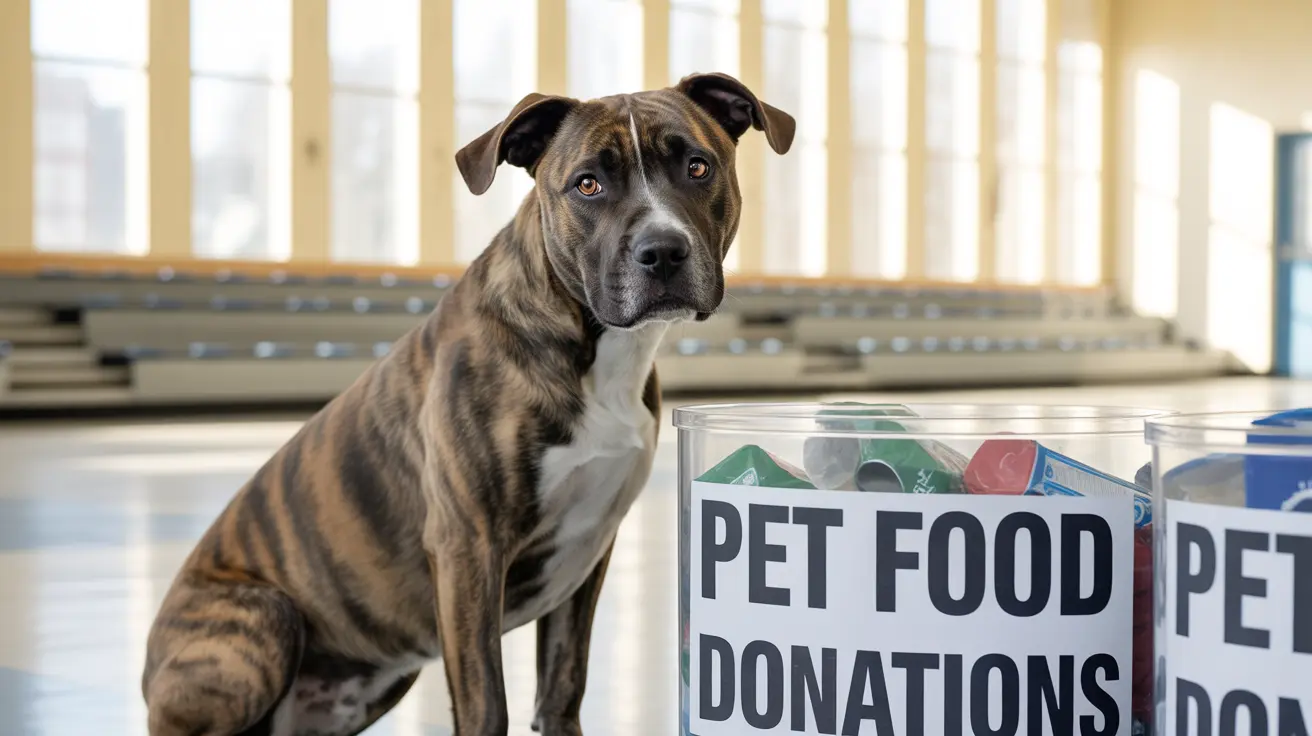
The Heartland Humane Society is facing a critical situation as their facility overflows with animals desperately needing homes. In response to this urgent need, the Ottumwa school district has stepped forward with an inspiring initiative called the Dusty Dog Challenge, creating a powerful example of how educational institutions can support animal welfare through organized pet food drives.
This community-driven effort highlights the growing challenge facing no-kill shelters across the nation. When shelters become overcrowded, they require additional resources to maintain their commitment to saving every adoptable animal. The collaboration between Ottumwa schools and the Heartland Humane Society demonstrates how strategic partnerships can provide crucial support during times of crisis.
Understanding the Shelter Overcrowding Crisis
Animal shelters nationwide are experiencing unprecedented intake levels, creating strain on resources and space. The Heartland Humane Society's current situation reflects a broader trend affecting no-kill shelters, which commit to finding homes for every healthy and treatable animal rather than euthanizing due to space constraints.
Overcrowded shelter conditions arise from various factors including increased pet surrenders, limited adoption rates, and seasonal intake spikes. During these challenging periods, community support becomes essential for maintaining operations and ensuring animals receive proper care while awaiting their forever homes.
How School Community Service Programs Make a Difference
The Dusty Dog Challenge represents an innovative approach to animal shelter donation drives, engaging students and families in meaningful community service. School-based initiatives like this create lasting impact by educating young people about animal welfare while generating substantial support for local organizations.
Educational institutions possess unique advantages for organizing successful pet supplies donation campaigns. They can mobilize large numbers of families, create friendly competition between classes, and integrate learning opportunities about responsible pet ownership and community involvement.
The Power of Organized Pet Food Drives
Structured donation campaigns provide shelters with predictable support during critical periods. Pet food represents one of the most significant ongoing expenses for animal welfare organizations, making food drives particularly valuable for maintaining operations.
When schools organize these efforts, they can collect substantial quantities of supplies while teaching students about civic responsibility. The collective impact of hundreds of families contributing creates resources that individual donations might not achieve.
Supporting No-Kill Animal Shelter Operations
No-kill shelters face unique operational challenges compared to traditional facilities. Their commitment to saving every adoptable animal requires substantial resources for extended care periods, medical treatment, and behavioral support.
The Heartland Humane Society, like many no-kill facilities, depends on community partnerships to sustain their mission. When schools launch initiatives like the Dusty Dog Challenge, they provide both immediate relief and long-term support for these vital organizations.
Essential Items Beyond Food
While pet food drives generate significant attention, shelters also need various supplies including blankets, toys, cleaning products, and medical supplies. Successful school campaigns often expand beyond food to collect comprehensive support packages.
Building Lasting Community Connections
The Ottumwa schools' initiative creates opportunities for ongoing collaboration between educational institutions and animal welfare organizations. These partnerships benefit students through service learning while providing shelters with reliable community support networks.
Cat food donation drives and similar efforts help students understand the importance of caring for vulnerable animals while developing empathy and social responsibility. These experiences often inspire lifelong commitments to animal welfare and community service.
Frequently Asked Questions
How can I help my local animal shelter that's overcrowded with cats and dogs?
Contact your local shelter to learn about their specific needs. Most appreciate donations of pet food, blankets, toys, and cleaning supplies. Many also need volunteers for walking dogs, socializing cats, and helping with adoption events.
What items do animal shelters need most during donation drives?
High-quality pet food is always needed, along with blankets, towels, cleaning supplies, and enrichment toys. Check with your local shelter for their current priority list, as needs vary by season and capacity.
How do school pet food drives help no-kill shelters stay operational?
School drives provide substantial quantities of supplies while reducing operational costs. This support allows no-kill shelters to allocate more resources toward medical care, enrichment programs, and extended care for animals awaiting adoption.
Making a Lasting Impact
The Dusty Dog Challenge launched by Ottumwa schools demonstrates how educational communities can create meaningful change for animal welfare. By mobilizing students, families, and staff, schools can generate substantial support for overcrowded shelters while teaching valuable lessons about compassion and civic engagement.
As the Heartland Humane Society works to find homes for their overflow of animals, this community-driven initiative provides hope and practical support. The collaboration between schools and shelters creates a model that other communities can adapt to support their local animal welfare organizations.




