
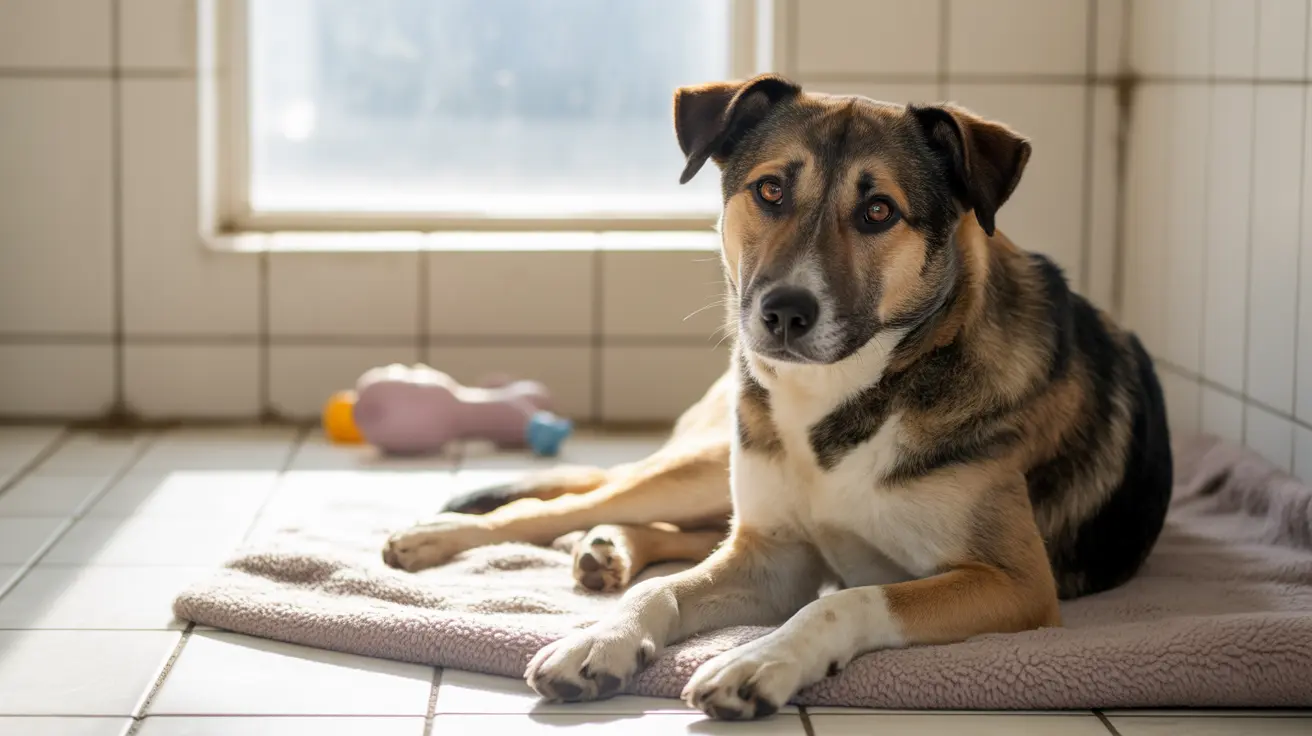
A shocking case of Karen Kroll animal cruelty has emerged in Crestview, Florida, where authorities have arrested a local woman following an extensive investigation into severe animal neglect. Karen Kroll now faces more than 60 charges after deputies discovered dozens of animals living in deplorable conditions on her property.
This disturbing case highlights the ongoing problem of animal hoarding and neglect in Florida communities. The discovery serves as a stark reminder of how quickly pet care situations can deteriorate when proper oversight and intervention are absent, ultimately putting countless innocent animals at risk.
The investigation, conducted by local authorities in partnership with animal welfare organizations, uncovered what officials describe as one of the most severe cases of multi-animal neglect they have encountered in recent years.
Okaloosa County Animal Rescue Efforts
Following the discovery, Okaloosa County animal services immediately mobilized to rescue the affected animals from the property. The coordinated response involved multiple agencies working together to ensure the safe removal and assessment of each animal found on the premises.
Animal welfare organizations like PAWS stepped in to provide emergency care and temporary housing for the rescued animals. These organizations play a crucial role in cases of large-scale animal neglect, offering specialized facilities and veterinary care needed to rehabilitate animals suffering from prolonged neglect.
The rescued animals reportedly included dogs, cats, and chickens, each requiring immediate medical attention and behavioral assessment. Such comprehensive rescue operations require significant resources and coordination between law enforcement, animal control, and local shelters.
Signs of Pet Malnourishment and Neglect
Cases like this underscore the importance of recognizing early warning signs of animal neglect in our communities. Pet malnourishment typically manifests through visible weight loss, dull or matted coats, lethargy, and behavioral changes in animals.
Other indicators include animals lacking adequate shelter, clean water access, or appropriate living conditions for their species. In hoarding situations, overcrowding often leads to unsanitary environments where disease can spread rapidly among animals.
Community members who notice these signs should document their observations and contact local animal control authorities promptly. Early intervention can prevent situations from escalating to the severe levels seen in the Crestview case.
Florida Animal Cruelty Laws and Penalties
Florida maintains strict animal cruelty laws designed to protect animals from neglect and abuse. The state's legal framework addresses various forms of animal mistreatment, with penalties ranging from misdemeanor charges to felony convictions depending on the severity and scope of the cruelty.
Animal hoarding cases often result in multiple charges, as each neglected animal typically represents a separate count of cruelty or neglect. This legal approach ensures that penalties reflect the full extent of suffering caused by the defendant's actions.
Pet hoarding penalties can include significant fines, imprisonment, and permanent bans on animal ownership. Courts may also require psychological evaluation and treatment for defendants, addressing the underlying issues that contribute to hoarding behaviors.
Preventing Pet Hoarding and Ensuring Proper Care
Preventing animal hoarding requires community awareness and intervention before situations become critical. Pet owners should honestly assess their ability to provide adequate care for multiple animals, including veterinary expenses, proper nutrition, and suitable living spaces.
Warning signs of potential hoarding include inability to maintain clean living conditions, declining animal health despite owner claims of proper care, and social isolation combined with excessive animal acquisition.
Family members and neighbors can help by maintaining open communication with pet owners and offering assistance when needed. Professional intervention may be necessary when individuals cannot acknowledge or address problematic animal care situations.
Frequently Asked Questions
What are the signs of animal neglect like malnourishment or lack of shelter in pets?
Key signs include visible weight loss, dull or matted fur, lethargy, lack of adequate shelter, dirty living conditions, and animals that appear fearful or aggressive. Malnourished pets often have prominent ribs, hip bones, and may show signs of dehydration.
How can I report suspected animal cruelty or hoarding in Florida?
Contact your local animal control services, sheriff's department, or use Florida's animal cruelty reporting systems. Document specific observations with dates and photos when safely possible, and provide detailed information about the location and conditions observed.
What happens to neglected animals after rescue, like in hoarding cases?
Rescued animals receive immediate veterinary care, behavioral assessment, and rehabilitation in specialized facilities. Many are eventually placed in foster homes or adopted once they recover physically and emotionally from their neglect experience.
Moving Forward
The Karen Kroll animal cruelty case in Crestview serves as a powerful reminder of our collective responsibility to protect vulnerable animals in our communities. While the legal process continues, the rescued animals now have hope for recovery and eventual placement in loving homes.
This case demonstrates both the devastating impact of animal neglect and the positive difference that prompt community reporting and professional intervention can make in saving animal lives.




