How the Tawny Owl Rescue Unfolded
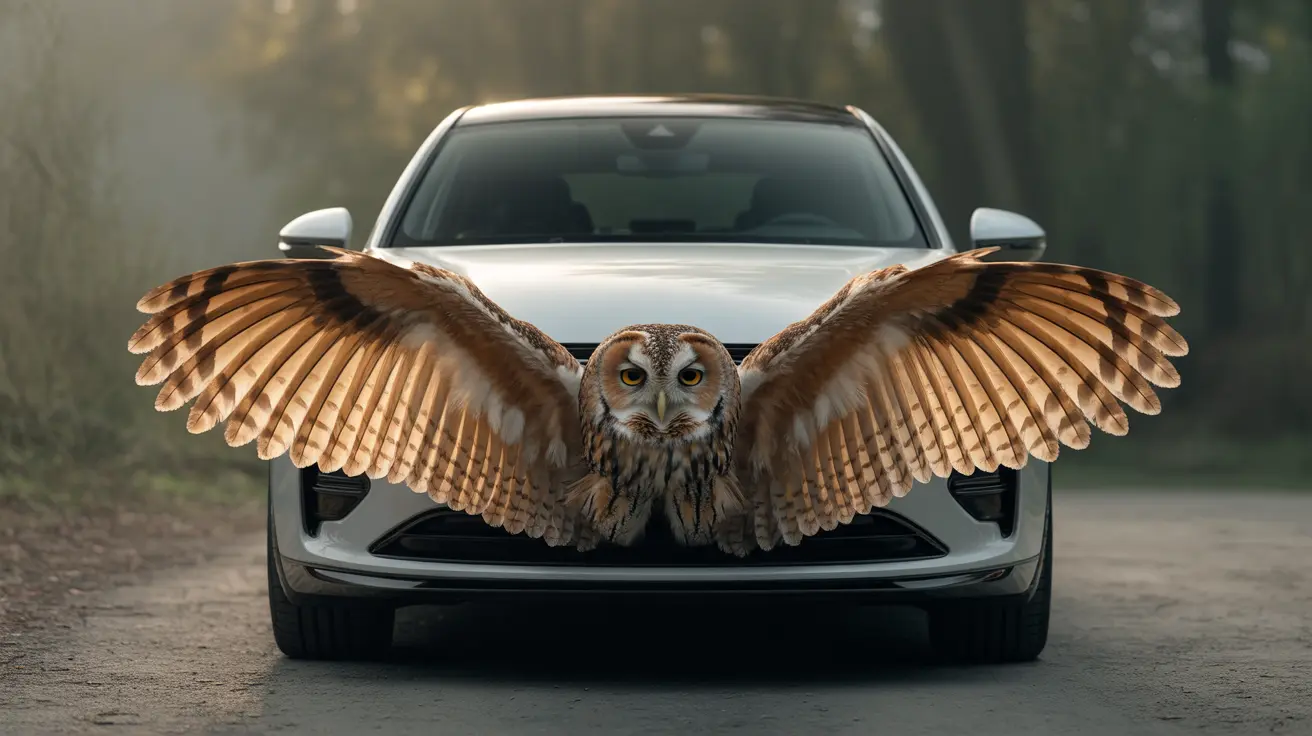
The dramatic rescue began when veterinary staff noticed something unusual protruding from a vehicle - wings that appeared almost surreal in their placement. What initially seemed impossible quickly became a race against time to free a living creature trapped within the engine bay of the car.
The discovery shocked the experienced veterinary team, who had dealt with countless wildlife emergencies but never encountered a bird in engine bay scenario quite like this one. The positioning of the owl wings from car created an almost unbelievable scene that required immediate professional intervention.
Understanding Bird Vehicle Entrapment Risks
Wildlife rescue engine incidents are more common than many drivers realize. Birds, particularly nocturnal hunters like tawny owls, can become trapped in vehicles in several ways:
Tawny owls hunt primarily at night, when vehicle traffic is lighter but still present. Their low-flying hunting patterns put them at risk for collisions with cars, and in some cases, they may seek shelter in engine compartments while injured or disoriented.
Engine bays provide warm, enclosed spaces that can appear attractive to wildlife seeking shelter, especially during colder months. However, these spaces become death traps when vehicles are started without proper inspection.
Urban Owl Hazards and Prevention
Tawny owl collision risks have increased significantly as urban areas expand into traditional owl territories. These adaptable birds often hunt along roads and in suburban areas where rodent populations are high, putting them directly in the path of vehicle traffic.
Pet owners and drivers can take several steps to prevent animal car traps:
- Always perform a visual inspection of your vehicle before starting the engine, particularly if it has been parked for extended periods. Look for signs of wildlife activity, including droppings, feathers, or unusual sounds coming from the engine compartment.
- Park in well-lit areas when possible, as this can deter nocturnal wildlife from seeking shelter in your vehicle.
- If you must park in areas known for wildlife activity, consider making noise before approaching your car to give any animals time to escape.
Tawny Owl Facts and Survival Capabilities
Tawny owls are remarkably resilient birds with several adaptations that may have contributed to this individual's survival. These medium-sized owls have excellent low-light vision and can remain calm in confined spaces, which likely helped during the entrapment.
Their compact size and ability to compress their bodies allows them to fit into surprisingly small spaces. This adaptation, which normally helps them navigate through dense forest undergrowth and tree cavities, may have been crucial to surviving within the limited space of an engine compartment.
In the UK, tawny owls face numerous threats from urban development, but their adaptability has allowed many populations to persist in suburban environments. However, this adaptation comes with increased exposure to vehicle-related hazards.
Frequently Asked Questions
What should I do if I see wings or an animal sticking out of my car engine?
Do not attempt to start your vehicle or remove the animal yourself. Contact local wildlife rescue services or veterinary professionals immediately. Keep the area quiet and avoid disturbing the trapped animal while waiting for professional help to arrive.
How can a bird like an owl survive inside a car engine compartment?
Birds have remarkable survival capabilities and can often withstand temporary entrapment if they have adequate airspace. Owls, in particular, are adapted to remain calm in confined spaces and can slow their metabolism during stress. However, survival depends on factors like temperature, duration of entrapment, and the absence of moving engine parts.
How do I check my car hood for trapped wildlife before starting the engine?
Perform a visual inspection around your vehicle, looking for signs of animal activity like droppings, fur, or feathers. Listen for unusual sounds from the engine bay. Gently tap the hood before opening it to give any animals time to escape. If you suspect wildlife presence, open the hood slowly and check all compartments before starting your engine.
Protecting Wildlife and Vehicles
This remarkable tawny owl rescue serves as a powerful reminder of the intersection between wildlife and human activity. By taking simple precautionary measures and remaining aware of our impact on local ecosystems, drivers can help prevent tragic wildlife vehicle collisions while protecting both animals and their vehicles from damage.
The veterinary professional's amazement at this rescue underscores how extraordinary such survivals truly are. Every wildlife rescue success story depends on quick thinking, professional expertise, and a community committed to coexisting responsibly with the animals that share our urban and suburban spaces.