
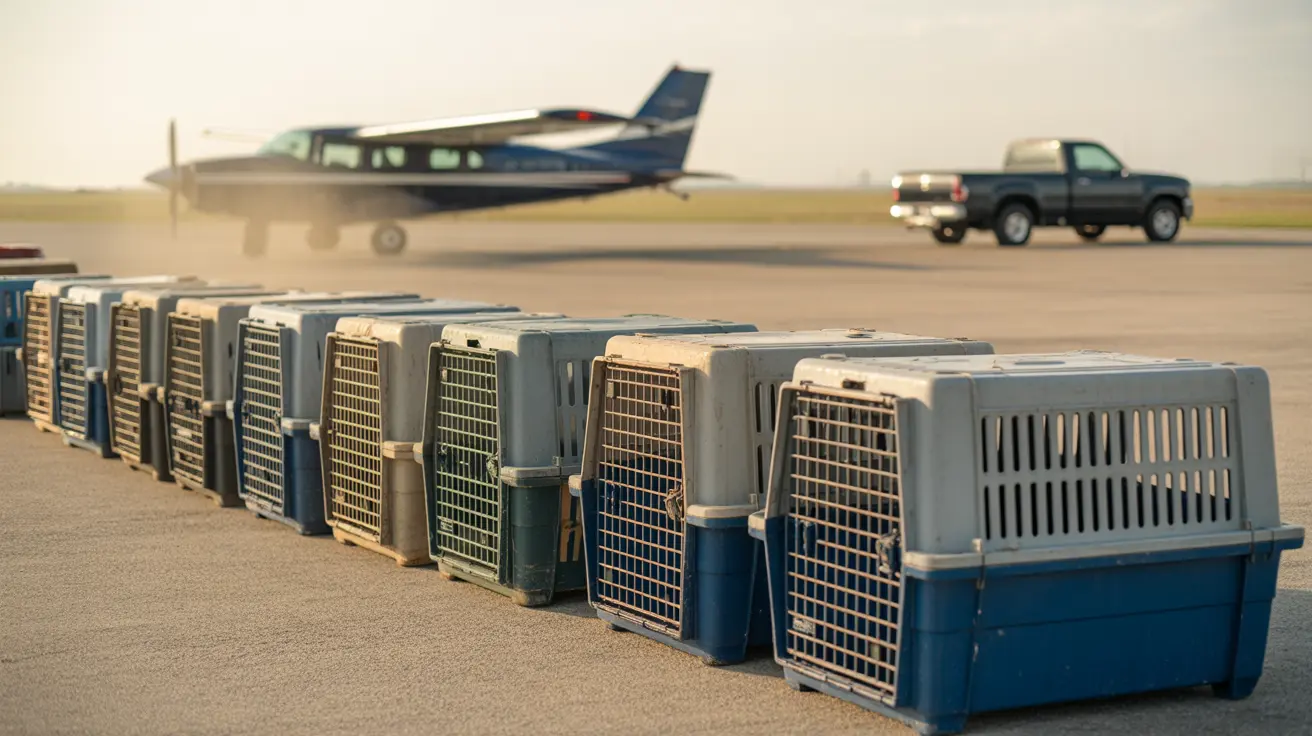
Tennessee animal shelters are grappling with a severe overcrowding crisis that has prompted rescue organizations to organize emergency flights transporting dogs and cats from Knoxville and other Tennessee cities to shelters in different states. This unprecedented situation highlights the mounting challenges facing animal welfare organizations across the state as intake numbers continue to rise while adoption rates struggle to keep pace.
The overcrowding situation has reached such critical levels that Tennessee now ranks among the top five states for transporting animals to other shelters, according to recent data. This dramatic measure underscores the urgent need for comprehensive solutions to address what many are calling a statewide animal welfare emergency.
The Scale of the Overcrowding Crisis
The current shelter overcrowding situation in Tennessee represents a complex challenge affecting communities from Knoxville to Nashville and beyond. When local shelters reach capacity, animals face increased stress, health risks, and unfortunately, higher euthanasia rates. The rescue flights serve as a critical lifeline, moving animals from overwhelmed facilities to regions where shelter space and adoption opportunities are more readily available.
This interstate transport system has become an essential component of modern animal welfare work, allowing overcrowded shelters to maintain their life-saving missions while providing animals with better chances for placement in loving homes.
Understanding the Factors Behind Shelter Intakes
Several interconnected factors contribute to the rising number of animals entering Tennessee shelters. Economic pressures often force families to surrender beloved pets when they can no longer afford veterinary care, food, or housing that accepts animals. Additionally, the ongoing challenges with unaltered pet populations continue to contribute to the number of stray animals entering the shelter system.
Natural population growth in many Tennessee communities has also increased the overall pet population without a corresponding increase in adoption rates or shelter capacity. This creates a mathematical challenge that rescue flights help address by expanding the potential adopter pool beyond state boundaries.
The Role of Rescue Flights in Animal Welfare
Rescue flights represent a modern solution to geographic disparities in animal welfare needs. While Tennessee shelters struggle with overcrowding, facilities in other states may have available space and eager adopters. These transport programs create a network that benefits animals, shelters, and potential pet families across multiple states.
The logistics of these operations require careful coordination between sending and receiving shelters, transportation volunteers, and veterinary teams who ensure all animals are healthy and ready for travel. This collaborative approach demonstrates how the animal welfare community works together to save lives across state lines.
Supporting Tennessee's Animal Welfare Efforts
Pet owners and animal lovers in Tennessee can take several steps to help address shelter overcrowding. Spaying and neutering pets remains one of the most effective ways to prevent unwanted litters from entering the shelter system. Additionally, supporting local adoption efforts by choosing shelter pets over purchasing from breeders or pet stores directly impacts local intake numbers.
Foster programs provide another crucial support system, offering temporary homes for animals while they await permanent placement. Even short-term fostering during transport periods can make a significant difference in an animal's journey to finding a forever home.
Looking Toward Long-term Solutions
While rescue flights provide immediate relief, addressing Tennessee's shelter overcrowding requires sustained, community-wide efforts. This includes continued investment in spay and neuter programs, expanded foster networks, and increased adoption outreach. Additionally, pet retention programs that help families keep their animals through temporary hardships can reduce surrender rates.
The collaboration between Tennessee shelters and out-of-state facilities also highlights the importance of regional cooperation in animal welfare work. This model may serve as a blueprint for other states facing similar challenges.
Frequently Asked Questions
Why are Tennessee animal shelters so overcrowded in 2024 and 2025?
Tennessee shelters face overcrowding due to multiple factors including increased owner surrenders, ongoing stray animal populations, and adoption rates that haven't kept pace with intake numbers. Economic pressures and housing challenges also contribute to families surrendering pets they can no longer care for.
How do rescue flights help dogs and cats from Knoxville and Nashville shelters?
Rescue flights transport animals from overcrowded Tennessee shelters to facilities in other states where space and adoption opportunities are more available. This expands the potential adopter pool beyond Tennessee's borders and helps save lives by moving animals away from overwhelmed facilities.
What can pet owners in Tennessee do to help reduce shelter overcrowding?
Pet owners can help by spaying and neutering their animals, choosing adoption over purchasing from breeders, volunteering with local shelters, fostering animals temporarily, and supporting community spay/neuter programs. Additionally, reaching out for help before surrendering pets can sometimes prevent animals from entering the shelter system.
The rescue flights from Tennessee represent both a creative solution to an immediate crisis and a call to action for long-term change. By supporting these efforts and addressing root causes of shelter overcrowding, communities can work together to ensure every animal has the chance for a loving home.




