
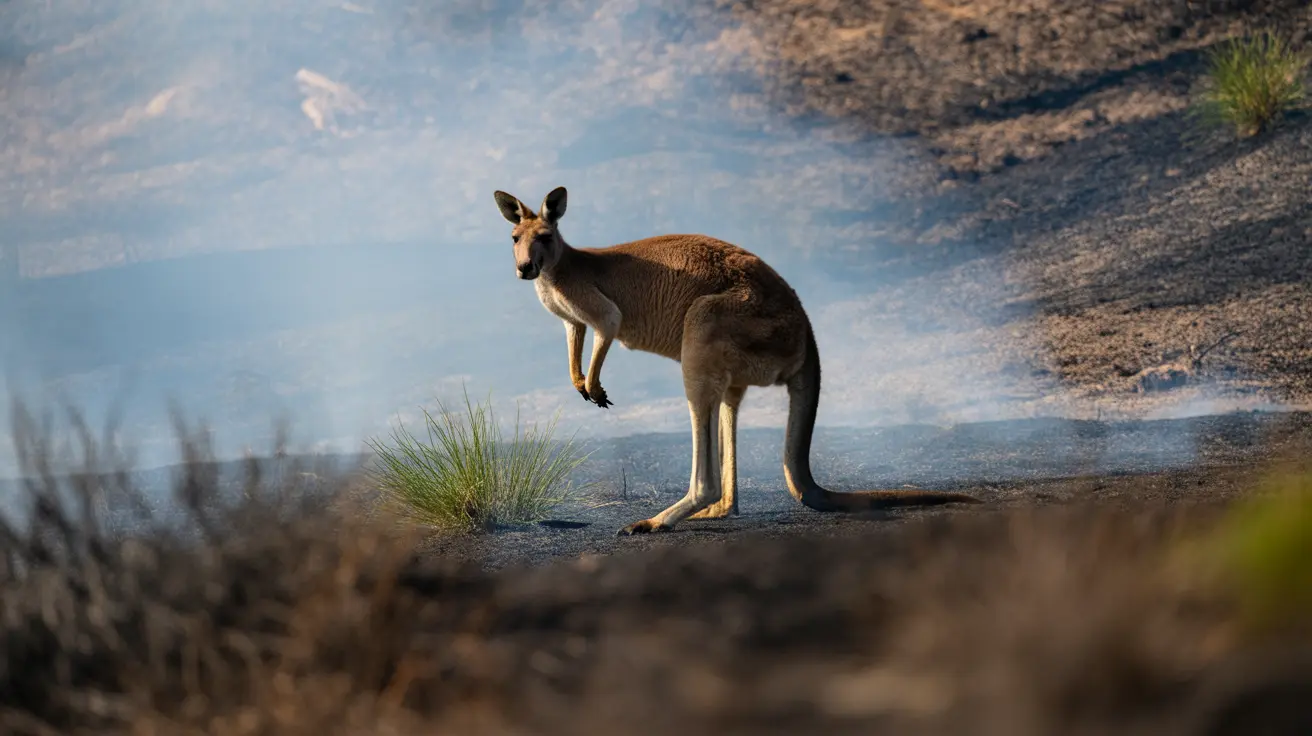
The devastating Victoria 2026 bushfires combined with extreme heat waves are taking a catastrophic toll on the state's wildlife populations, with animal shelters reporting heartbreaking losses across multiple species. From entire generations of flying fox colonies succumbing to heat stress to widespread impacts on domestic animals and livestock, the scale of animal suffering is beginning to emerge as one of the most significant wildlife disasters in recent Victorian history.
For pet parents and animal lovers across Victoria, these events serve as a stark reminder of how quickly extreme weather conditions can threaten the welfare of both wild and domestic animals. The combination of bushfire smoke, intense heat, and habitat destruction creates multiple layers of danger that affect everything from backyard pets to native wildlife sanctuaries.
While the full scope of the disaster continues to unfold, early reports from animal welfare organizations and wildlife rescue groups paint a sobering picture of widespread animal casualties that span across species and habitats throughout the affected regions.
Wildlife Impact Bushfires Victoria: Unprecedented Loss Across Species
The current bushfire crisis represents one of the most severe threats to Victorian wildlife in recent memory, with multiple species facing simultaneous pressures from fire, smoke, and record-breaking temperatures. Wildlife rescue organizations are struggling to respond to the overwhelming number of distress calls as animals flee burning habitats or succumb to heat-related stress.
Native species that have evolved to survive periodic bushfires are finding the current conditions beyond their adaptive capabilities, particularly when extreme heat compounds the traditional fire threats. The combination creates a perfect storm of environmental stressors that even resilient Australian wildlife cannot withstand.
Flying Foxes Heat Stress: Bat Colonies Devastated by Extreme Temperatures
Flying fox populations across Victoria have suffered particularly severe losses, with entire colonies reportedly succumbing to the extreme heat conditions. These large fruit bats are especially vulnerable to temperature spikes, as they cannot effectively regulate their body temperature during prolonged exposure to excessive heat.
The mass casualties among flying fox colonies represent more than individual animal loss – they indicate the potential collapse of entire local populations that play crucial roles in forest ecosystem health through pollination and seed dispersal. Recovery from such devastating population crashes can take years or even decades.
Animal Shelters Victoria Fires: Rescue Organizations Overwhelmed
Animal shelters across the state are reporting unprecedented demand for services as displaced pets, injured wildlife, and abandoned animals flood their facilities. Many shelters have reached capacity while continuing to receive emergency calls for assistance with animals affected by the fires and heat.
Organizations like the Red Box Wildlife Shelter are working around the clock to provide care for injured and orphaned wildlife, while also supporting domestic animal rescue efforts. The dual pressure of increased animal intakes and reduced volunteer availability due to evacuation zones has stretched resources to breaking points.
Livestock Losses Victoria Fires: Agricultural Impact
Agricultural communities throughout Victoria are facing significant livestock welfare challenges as the fires and extreme heat affect farm animals. Cattle, sheep, and other farm animals require immediate access to water, shelter, and veterinary care – resources that become scarce during emergency conditions.
Agriculture Victoria has activated emergency response protocols to support farmers in protecting their animals, but the widespread nature of the crisis means many remote properties may struggle to access timely assistance.
Pet Protection Bushfires Heatwave: Essential Safety Measures
Pet owners in affected and at-risk areas need to maintain emergency preparedness plans that account for their animals' specific needs during bushfire and extreme heat events. This includes ensuring adequate water supplies, identifying pet-friendly evacuation centers, and recognizing early signs of heat stress in companion animals.
Dogs, cats, and other pets can develop heat stroke rapidly during extreme temperature events, making early intervention critical for preventing serious health complications or death.
Frequently Asked Questions
How can I help wildlife like bats and kangaroos affected by Victoria's 2026 bushfires and heatwaves?
Contact established wildlife rescue organizations in your area to inquire about donation needs, volunteer opportunities, or specific items required for animal care. Many groups need financial support, clean towels and blankets, or specialized wildlife food supplies. Always work through recognized organizations rather than attempting individual wildlife rescue without proper training.
What are the signs of heat stress in pets during bushfires, and how do I protect them?
Signs of heat stress in pets include excessive panting, drooling, lethargy, vomiting, or collapse. Protect pets by providing constant access to fresh water, ensuring adequate shade or air conditioning, limiting outdoor exposure during peak heat hours, and never leaving animals in vehicles. Create cool zones with wet towels or cooling mats during extreme temperatures.
Which animal shelters in Victoria need donations or volunteers after the January 2026 bushfires?
Contact local animal welfare organizations directly to determine current needs, as requirements change rapidly during emergency situations. Many shelters need monetary donations for veterinary care, animal food supplies, temporary housing materials, and transportation resources. Check official shelter websites or social media channels for the most current volunteer and donation information.
Supporting Recovery Efforts
The long-term recovery from these devastating wildlife impacts will require sustained community support and coordinated conservation efforts. As the immediate crisis continues to unfold, the focus remains on emergency animal welfare while planning for the extensive rehabilitation work that will be needed in the months and years ahead.
For pet owners, these events underscore the importance of emergency preparedness and the interconnected nature of animal welfare across wild and domestic species. Supporting wildlife recovery efforts ultimately benefits the entire ecosystem that our companion animals share.




