Virginia has taken a significant step forward in animal protection by passing comprehensive animal welfare bills that address critical issues in captive wildlife management. The legislation, backed by PETA and introduced in response to ongoing concerns about unaccredited facilities, specifically targets practices that harm wild animals in captivity, including the premature separation of baby animals from their mothers.
The Virginia animal welfare bills, designated as SB 344 and HB 112, represent a bipartisan effort to strengthen protections for exotic animals held in captivity across the Commonwealth. Del. Amy Laufer (HD-55) introduced the House version, while Sen. Jennifer Boysko (SD-38) championed the Senate version, both working to address systemic issues that have plagued certain wildlife facilities in the state.
Background of the Natural Bridge Zoo Abuse Case
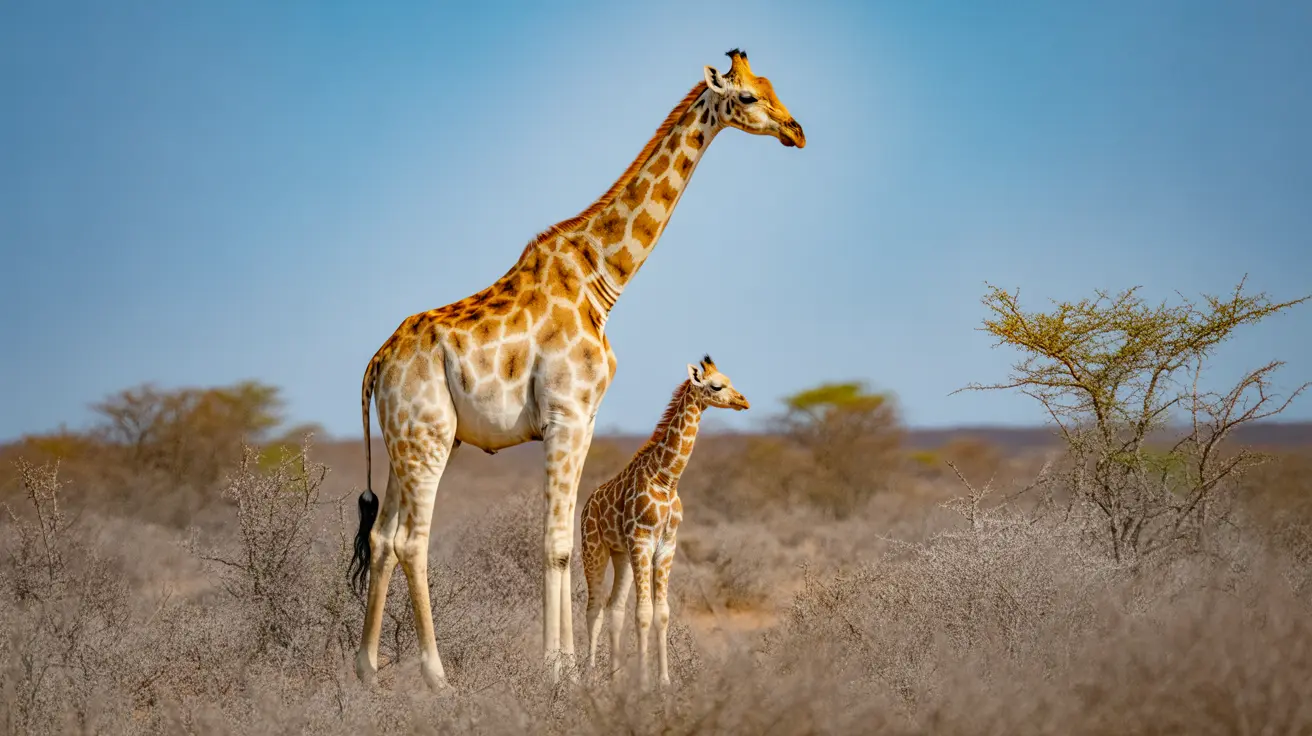
The legislation comes in the wake of serious concerns surrounding the Natural Bridge Zoo, which has faced scrutiny for its animal care practices. The facility has been linked to incidents involving missing giraffe calves and other animal welfare violations that prompted legislative action. These cases highlighted the need for stronger regulations governing unaccredited zoo operations and exotic animal breeding practices in Virginia.
The Natural Bridge Zoo indictments have brought national attention to the treatment of captive wild mammals in privately-owned facilities. Such incidents underscore why comprehensive animal welfare legislation is essential for protecting vulnerable species from exploitation and neglect.
Key Provisions of the Captive Wild Mammals Ban
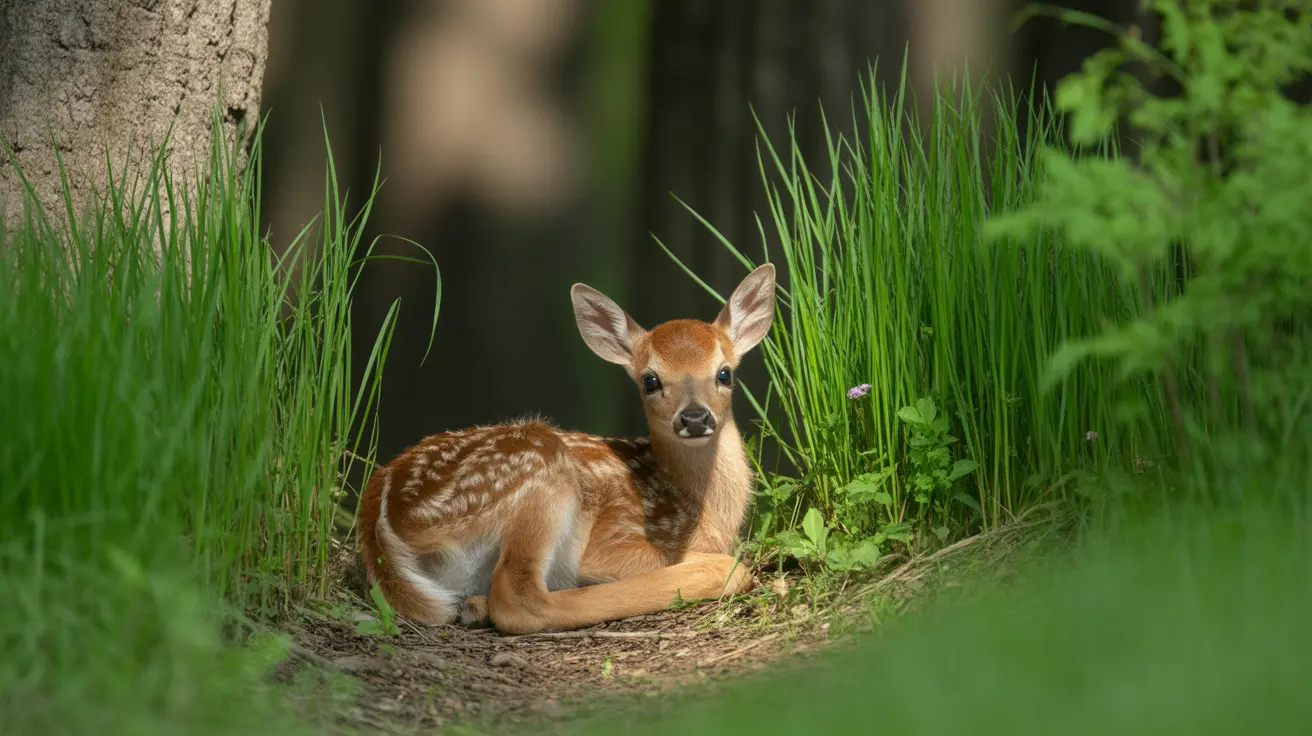
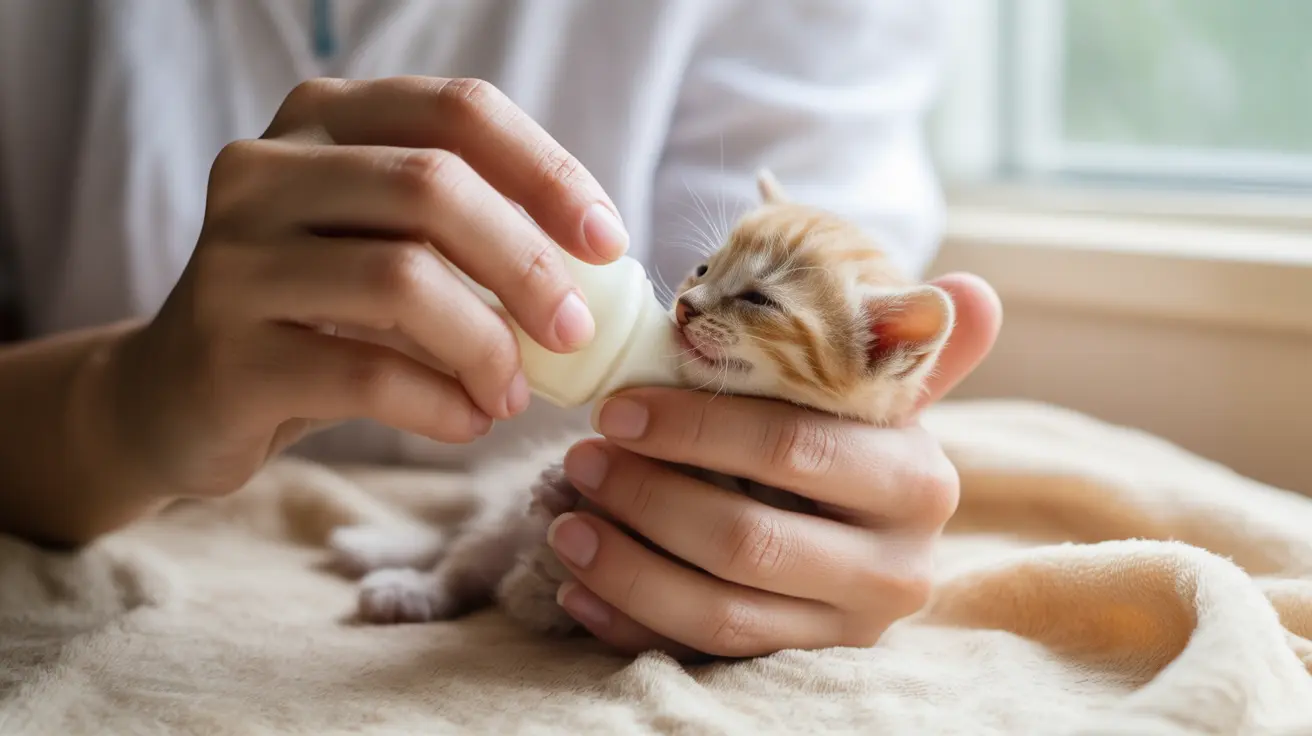
The new legislation establishes strict prohibitions against the premature separation of baby animals from their mothers, a practice that can cause severe psychological trauma and developmental issues in young wildlife. This provision is particularly important for species like giraffes, elephants, and primates, which rely heavily on maternal bonding for healthy development.
Additionally, the animal hybridization prohibition addresses the dangerous practice of crossbreeding different wild animal species in captivity. This practice, including lemur crossbreeding, poses significant health risks to the animals involved and can create genetic abnormalities that compromise the welfare of offspring.
Impact on Unaccredited Zoo Regulations
The PETA Virginia legislation specifically targets roadside zoo cruelty by implementing stricter oversight of facilities that are not accredited by recognized organizations. While accredited zoos that meet professional standards will continue to operate under existing frameworks, unaccredited facilities will face enhanced scrutiny and must comply with the new welfare standards.
These unaccredited zoo regulations are designed to prevent the exploitation of wild animals for entertainment purposes while ensuring that legitimate conservation and education efforts can continue. The legislation recognizes the important role that properly managed facilities play in wildlife conservation and public education.
Expected Outcomes Under Governor Spanberger
The Governor Spanberger animal bills are expected to significantly improve conditions for captive wildlife throughout Virginia. The legislation provides enforcement mechanisms that will allow authorities to take swift action against facilities that violate animal welfare standards.
Pet owners and animal lovers across Virginia can expect to see meaningful changes in how exotic animals are treated in captivity. The Virginia zoo welfare laws will serve as a model for other states considering similar legislation to protect captive wildlife from abuse and neglect.
Frequently Asked Questions
What is Virginia's new law on separating baby wild animals from their mothers in zoos?
Virginia's new animal welfare legislation prohibits the premature separation of baby wild animals from their mothers in captivity. This law ensures that young animals receive proper maternal care during critical developmental periods, preventing psychological trauma and promoting natural bonding behaviors essential for their wellbeing.
Why was the Natural Bridge Zoo involved in Virginia's animal welfare bills SB 344 and HB 112?
The Natural Bridge Zoo became a focal point for the legislation due to documented animal welfare concerns, including incidents involving missing giraffe calves and other violations. These cases highlighted the need for stronger regulations governing unaccredited wildlife facilities and prompted lawmakers to take action to prevent similar situations.
What are the health risks of hybridizing different wild animal species in captivity?
Hybridizing different wild animal species can lead to serious genetic abnormalities, compromised immune systems, and behavioral problems in offspring. The practice often results in animals that cannot survive in the wild and may suffer from various health complications throughout their lives, making it both ethically and medically problematic.
Will Virginia's animal welfare bills affect accredited zoos or only unaccredited ones?
The legislation primarily targets unaccredited facilities that lack proper oversight and professional standards. Accredited zoos that meet established conservation and welfare criteria will continue operating under existing frameworks, while unaccredited facilities will face enhanced scrutiny and must comply with new welfare requirements.
Conclusion
Virginia's passage of these comprehensive animal welfare bills marks a turning point in the protection of captive wildlife. By addressing critical issues like premature separation of young animals and dangerous breeding practices, the state has demonstrated its commitment to ensuring that all animals receive humane treatment regardless of their captive status.
These legislative victories represent the collective efforts of animal welfare advocates, lawmakers, and concerned citizens who recognized the urgent need for reform. As other states watch Virginia's implementation of these protections, the Commonwealth stands as a beacon of progress in the ongoing fight against animal cruelty and exploitation.