Understanding Virginia's New Animal Welfare Laws 2025
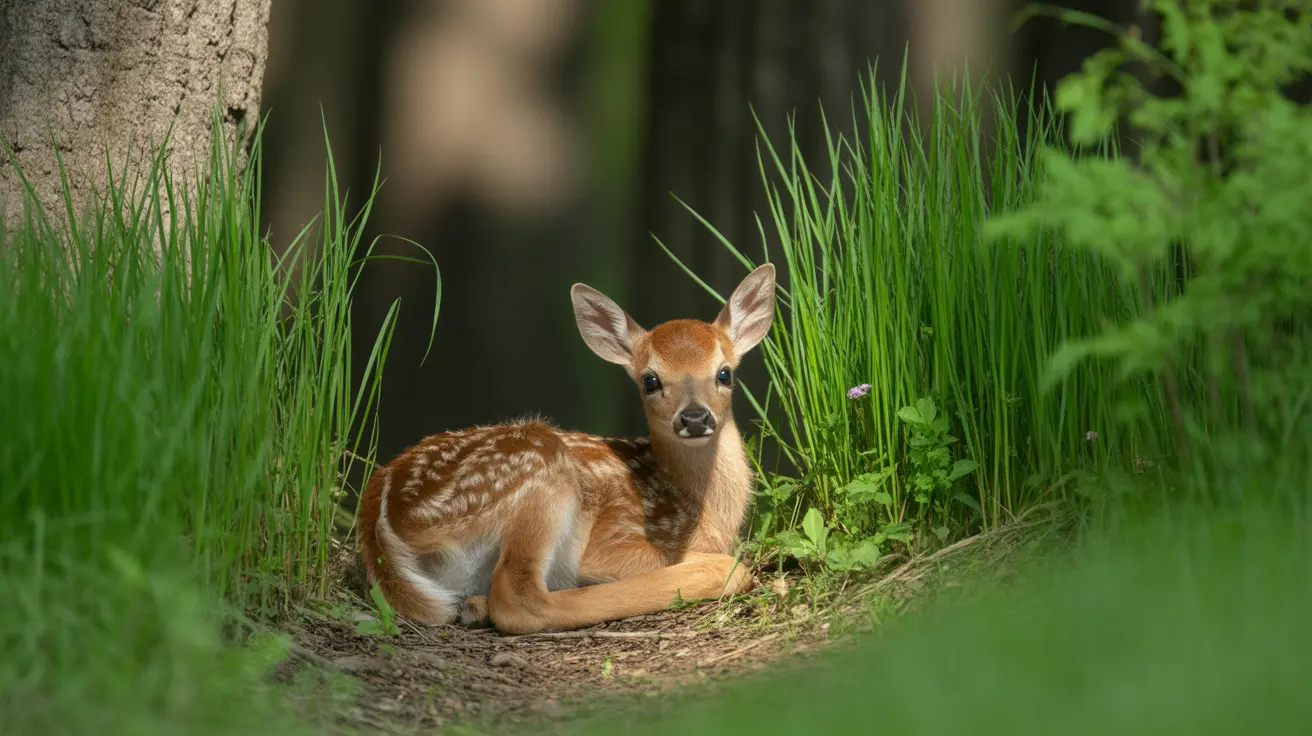
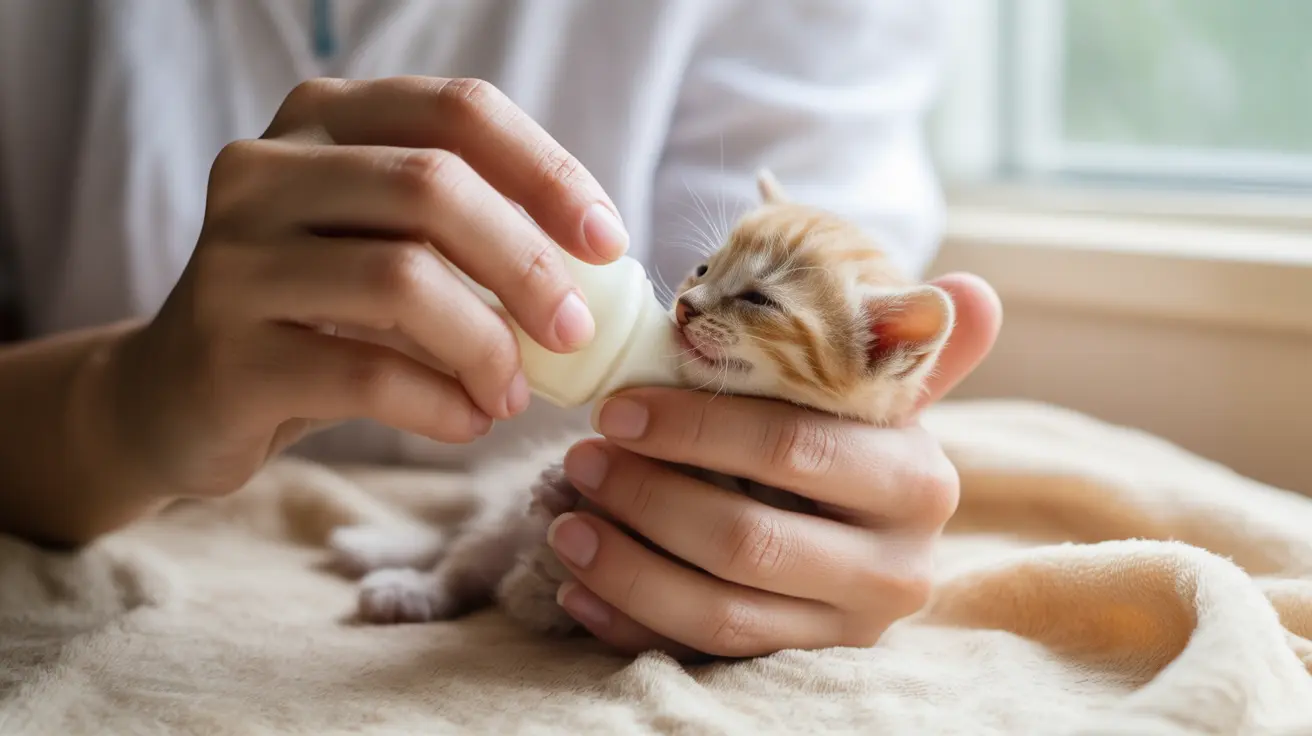
Virginia SB 344 and HB 112 target specific practices that have long been criticized by animal welfare experts. These bills address the premature separation of baby animals from their mothers, a practice that can cause severe psychological and physical harm to both offspring and parents. The legislation recognizes that early separation disrupts natural bonding processes and can lead to developmental issues in young animals.
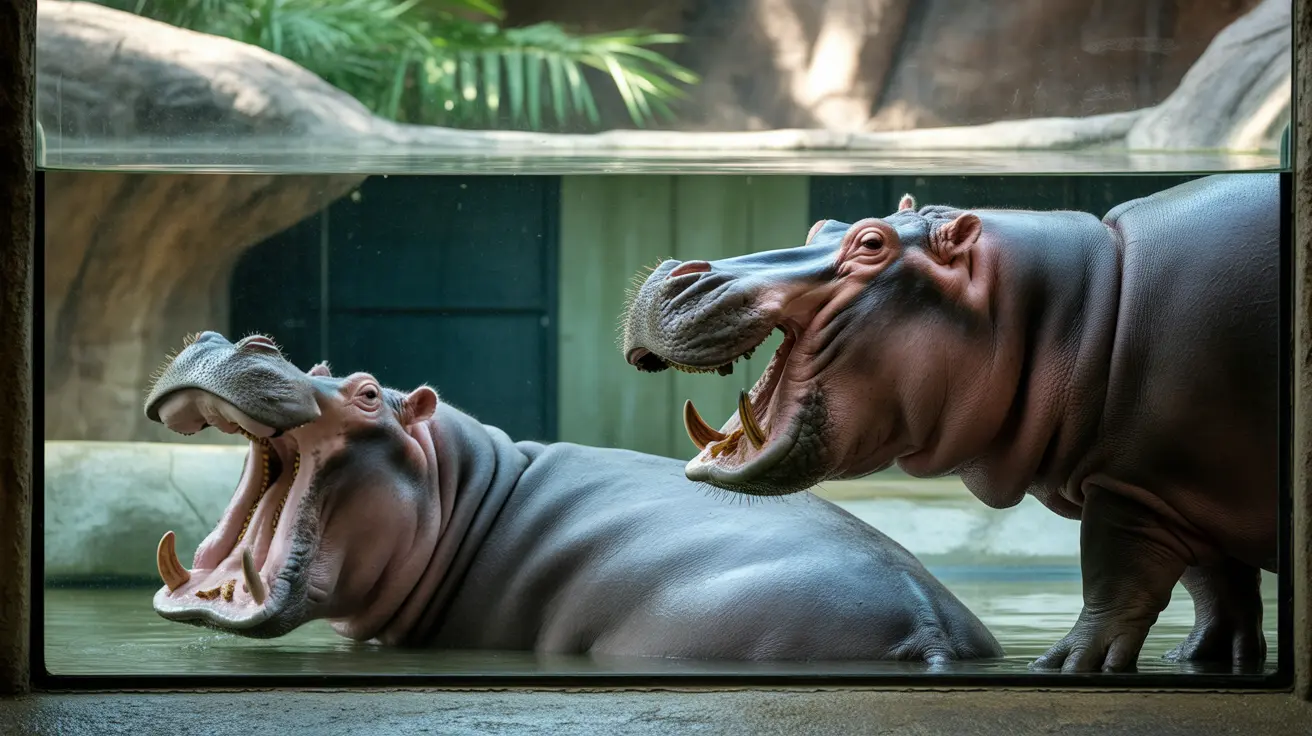
The bills also tackle the controversial practice of wildlife hybridization, where different species are bred together in captivity. This practice has raised ethical concerns among veterinarians and animal behaviorists, as hybrid animals often face unique health challenges and behavioral issues that can compromise their welfare.
Natural Bridge Zoo Abuses Highlight Need for Reform
The timing of these bills is particularly relevant given recent developments involving the Natural Bridge Zoo indictments. The facility has faced legal challenges related to animal care standards, bringing attention to the broader issues within Virginia's captive wildlife industry. While specific details of ongoing legal proceedings continue to unfold, the case has highlighted concerns about oversight at unaccredited facilities.
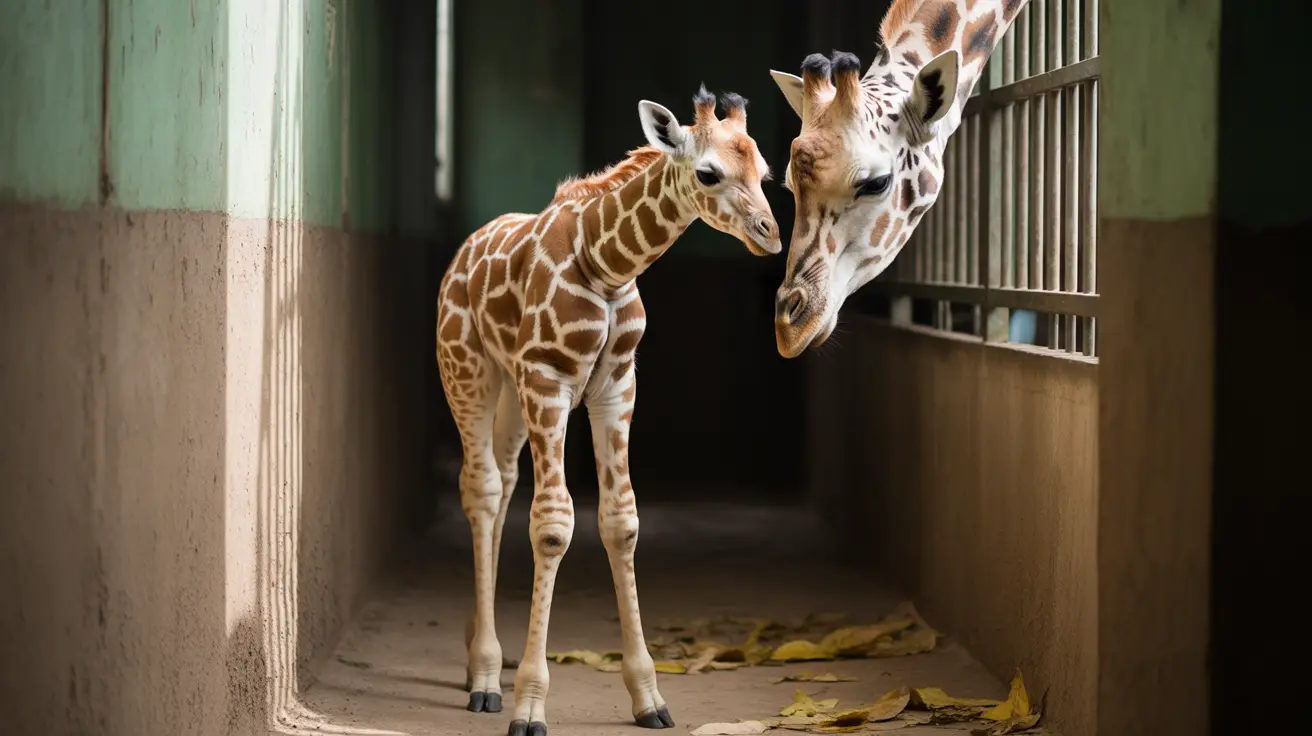
Reports of baby giraffes missing Virginia facilities have further underscored the need for stronger regulations. These incidents demonstrate how inadequate record-keeping and oversight can put vulnerable animals at risk, making the case for more comprehensive legislation like the bills currently advancing through the General Assembly.
Roadside Zoo Regulations and Enforcement
The new legislation specifically targets unaccredited zoo cruelty by establishing clearer standards for facilities that house wild animals. Unlike accredited institutions that must meet rigorous standards set by organizations like the Association of Zoos and Aquariums, many roadside attractions operate with minimal oversight.
These Virginia captive wildlife trade regulations would create a framework for better monitoring and enforcement. The bills recognize that while legitimate educational facilities serve important conservation purposes, substandard operations that prioritize profit over animal welfare must be held accountable.
Impact on Wild Mammal Breeding Laws
The PETA Virginia legislation addresses breeding practices that have long concerned animal welfare experts. By restricting premature separation and hybridization, the bills acknowledge that responsible breeding requires consideration of the animals' natural behaviors and needs.
For pet owners, these developments serve as a reminder of the importance of supporting facilities that prioritize animal welfare. When visiting wildlife attractions or considering educational opportunities, families can look for accreditation from recognized organizations and research the facility's commitment to conservation and animal care.
What This Means for Virginia Animal Owners
While these animal protection bills Virginia focus on captive wildlife facilities, they reflect broader trends in animal welfare legislation that can influence how all animals are treated. Pet owners can support these efforts by staying informed about animal welfare issues and supporting organizations that advocate for stronger protections.
The advancement of these bills through the Virginia General Assembly represents a collaborative effort between legislators, animal welfare organizations, and concerned citizens who recognize the need for stronger protections for vulnerable animals.
Frequently Asked Questions
What do Virginia's SB 344 and HB 112 do to protect baby wild animals in captivity?
These bills target harmful practices like premature separation of baby animals from their mothers and wildlife hybridization. They establish stronger standards for facilities housing captive wildlife, particularly focusing on the welfare of young animals and their natural development needs.
Why was the Natural Bridge Zoo indicted, and how does it relate to new Virginia animal welfare laws?
The Natural Bridge Zoo has faced legal challenges related to animal care standards, which have highlighted broader issues within Virginia's captive wildlife industry. These cases underscore the need for the stronger oversight and regulations that the new bills aim to provide.
Will Virginia's captive wildlife protection bills affect accredited zoos or only unaccredited facilities?
The legislation primarily targets facilities that operate without proper accreditation and oversight. Accredited institutions that already meet rigorous animal care standards are less likely to be impacted, as the bills focus on addressing substandard operations that prioritize profit over animal welfare.
Moving Forward with Animal Protection
As these bills continue through the legislative process, they represent hope for improved conditions for captive wildlife in Virginia. The advancement of this legislation demonstrates that lawmakers are listening to animal welfare advocates and taking concrete steps to address long-standing concerns about the treatment of vulnerable animals in captivity.