
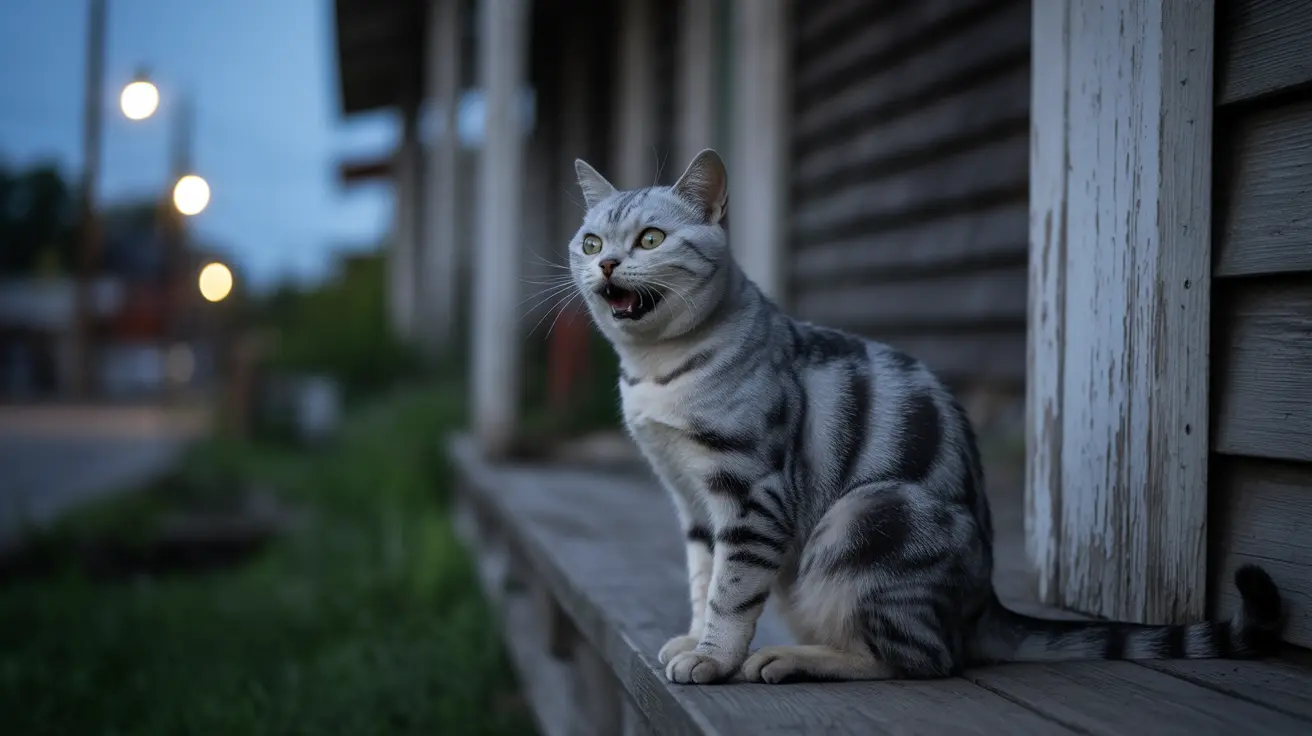
Domestic cats, despite their cozy indoor lives, retain many behaviors inherited from their wild ancestors. In the wild, cats are crepuscular, meaning they are most active during dawn and dusk. However, in urban and suburban environments, this activity often extends into the night. When a cat cries outside, it may be expressing territorial instincts, seeking companionship, or responding to environmental stimuli such as other animals or unfamiliar scents. Recognizing these cues allows owners and animal lovers to respond appropriately rather than dismissing the cries as mere noise.
Before assuming a cat is simply being noisy, it’s important to consider the context. Is the cat stray or owned? Is it mating season? Are there other cats nearby? Each of these factors can influence the tone, frequency, and purpose of a cat’s nighttime vocalizations. By exploring these underlying causes, we can better interpret what our feline neighbors are trying to communicate and, when possible, help them find comfort or safety.
Common Reasons Cats Cry at Night
There are several reasons a cat might cry outside after dark, and these can vary depending on the cat’s age, health, and environment. One of the most common causes is mating behavior. Unneutered male cats often roam at night searching for females in heat, and their cries serve as both a call to potential mates and a warning to rival males. Female cats in heat also vocalize loudly to attract partners, creating a chorus of nighttime sounds that can last for days. This behavior is instinctual and can only be reduced through spaying or neutering.
Another frequent cause is territorial defense. Cats are highly territorial creatures, and nighttime is when they patrol their boundaries. If an unfamiliar cat enters their perceived territory, loud yowling or crying may ensue as a form of confrontation. These vocal battles are often accompanied by posturing, hissing, or even physical fights. In urban areas where many cats share overlapping territories, such disputes are common and can sound distressing to human ears.
Loneliness and separation anxiety can also lead to nighttime crying. Cats that have been abandoned or lost may cry out in search of their owners or familiar companions. Even indoor cats may vocalize if they see or hear other cats outside, expressing frustration or longing. Additionally, older cats sometimes cry at night due to cognitive decline, confusion, or sensory loss. Understanding these emotional and physical triggers helps caretakers respond with empathy rather than irritation.
Environmental and Health Factors
Beyond instinctual and emotional reasons, environmental and health factors can play a major role in why cats cry outside at night. Temperature changes, hunger, or lack of shelter can make outdoor cats uncomfortable, prompting them to vocalize for help. Stray cats often cry near homes because they associate human presence with food or warmth. In some cases, a cat may be injured or ill, and its cries are a plea for assistance. Observing the cat’s body language—such as limping, lethargy, or visible wounds—can help determine if medical attention is needed.
Health issues like hyperthyroidism, dental pain, or urinary tract infections can also cause excessive vocalization. These conditions are particularly common in older cats and may worsen at night when the environment is quieter and discomfort feels more pronounced. If a cat that normally stays silent begins crying persistently, a veterinary check-up is essential. Early diagnosis can prevent suffering and restore the cat’s comfort.
Environmental stressors such as loud noises, bright lights, or the presence of predators can also trigger nighttime crying. Cats have acute senses and may react to things humans barely notice. A raccoon rummaging through trash or a barking dog can unsettle them. Providing safe outdoor shelters or secure indoor spaces can reduce exposure to these stressors and minimize distress-driven vocalizations.
How to Respond to a Crying Cat Outside
When you hear a cat crying outside, your response should depend on the situation. If the cat appears healthy and is likely a neighborhood pet, it may simply be communicating or patrolling. However, if the cries are persistent or sound distressed, it’s worth investigating. Approach slowly and calmly, avoiding sudden movements that could frighten the animal. Offering food or water can help build trust, especially if the cat seems lost or hungry. If the cat allows close contact, check for a collar or identification tag.
For stray or feral cats, direct handling may not be safe. In such cases, contacting a local animal rescue organization or humane society is the best course of action. They can safely trap, neuter, and release (TNR) the cat to prevent future breeding and reduce nighttime noise. If the cat is injured, animal control or a local shelter can provide medical care. Ignoring a distressed cat can prolong its suffering, so compassionate intervention is always preferable.
- Observe the cat’s behavior and physical condition before approaching.
- Provide food, water, or temporary shelter if safe to do so.
- Check for identification or microchip if contact is possible.
- Contact local animal services for injured or feral cats.
- Encourage neighbors to spay or neuter their pets to reduce mating cries.
Taking small, thoughtful actions can make a big difference for both the cat and the community. Reducing nighttime disturbances often starts with responsible pet ownership and awareness of local stray populations. By addressing the root causes, we can create a more peaceful coexistence between humans and cats.
Preventing Nighttime Crying in Owned Cats
For cat owners, preventing nighttime crying begins with understanding their pet’s needs. Indoor cats may cry at windows or doors if they see other animals outside or if they are bored and under-stimulated. Providing enrichment—such as interactive toys, climbing structures, and regular playtime—can reduce restlessness. Feeding your cat a small meal before bedtime and maintaining a consistent routine also helps them settle more easily through the night.
Spaying or neutering is one of the most effective ways to prevent nighttime vocalization. It not only curbs mating-related cries but also reduces territorial aggression and roaming tendencies. Cats that are fixed tend to be calmer and more content indoors. Additionally, ensuring your cat has a comfortable sleeping area away from outdoor distractions can minimize their urge to vocalize. Soft bedding, dim lighting, and a quiet environment promote restful sleep.
In multi-cat households, competition or tension between cats can lead to nighttime disputes. Providing separate feeding stations, litter boxes, and resting spots helps reduce conflict. If vocalization persists despite these measures, consulting a veterinarian or animal behaviorist can uncover underlying issues such as anxiety or medical discomfort. With patience and proper care, most cats can learn to enjoy peaceful nights without distressing cries.
Listening to What Cats Are Telling Us
The sound of a cat crying outside at night may be haunting, but it is rarely meaningless. Each cry carries a message—whether it’s a call for companionship, a territorial warning, or a plea for help. By paying attention to these signals, humans can better understand feline behavior and respond with compassion. Addressing the root causes—through spaying, providing shelter, or ensuring medical care—benefits both cats and communities.
Ultimately, nighttime crying reflects the complex relationship between domesticated cats and their environment. As we continue to share our neighborhoods with these intelligent, sensitive creatures, empathy and responsible action remain the best ways to ensure harmony. Listening to their cries is the first step toward understanding their world and improving their lives.
FAQ
Why do cats cry more at night than during the day?
Cats are naturally more active during twilight and nighttime hours. Their heightened senses make them alert to sounds, scents, and movements that humans might not notice. At night, when the world is quieter, cats may vocalize more to communicate with other cats, mark territory, or seek attention. Additionally, unneutered cats are more likely to cry at night due to mating instincts. Indoor cats may also cry if they feel bored or lonely while their owners sleep, using vocalization as a way to seek interaction or express frustration.
Is a cat crying outside always a sign of distress?
Not always. While some cries indicate distress, others are simply part of normal feline communication. For example, a male cat may cry to announce his presence to nearby females or to warn off rivals. However, if the crying is continuous, sounds pained, or is accompanied by signs of injury or weakness, it may signal that the cat needs help. Observing the cat’s behavior and body language can help determine whether intervention is necessary. If in doubt, contacting a local animal welfare group is a safe and compassionate choice.
Can spaying or neutering stop nighttime crying?
Yes, spaying or neutering significantly reduces nighttime vocalizations related to mating behavior. Unaltered cats often cry loudly to attract mates or defend territory, especially during breeding seasons. Once fixed, these hormonal drives diminish, leading to calmer behavior and fewer nighttime disturbances. Beyond reducing noise, spaying and neutering also prevent unwanted litters and improve overall feline health. It’s one of the most effective and humane ways to address excessive meowing or yowling, particularly in outdoor or semi-feral cats.
What should I do if a stray cat keeps crying near my house?
If a stray cat frequently cries near your home, it may be seeking food, warmth, or attention. Start by observing from a distance to assess its condition. If the cat appears healthy, you can offer food and water to build trust. For injured or sick cats, contact local animal control or a rescue organization for assistance. If the cat is unneutered, participating in a trap-neuter-return (TNR) program can help reduce future crying and population growth. Always approach with caution and prioritize safety for both you and the animal.
Do cats cry because they are lonely?
Yes, loneliness can be a major reason cats cry, especially at night. Cats form attachments to their owners and may vocalize when they feel isolated or ignored. This is common in cats left alone for long periods or those recently separated from their littermates or previous homes. Providing companionship, interactive play, and environmental enrichment can help reduce loneliness-driven crying. For outdoor cats, social interaction with other cats or humans can also ease feelings of isolation and reduce nighttime vocalization.
Can health problems cause cats to cry at night?
Absolutely. Medical conditions such as hyperthyroidism, arthritis, dental pain, or urinary tract infections can cause discomfort that leads to increased vocalization, particularly at night. Older cats may also experience cognitive dysfunction, similar to dementia in humans, which can cause confusion and nighttime crying. If a cat’s vocal habits change suddenly or become excessive, a veterinary examination is essential. Treating the underlying health issue often resolves the vocalization and improves the cat’s quality of life.
Why do cats cry outside windows specifically?
Cats often cry outside windows because they see or smell other cats inside. This behavior can be territorial or social. A stray cat might be drawn to the warmth and scent of an indoor cat, while an indoor cat might respond by meowing back. Sometimes, outdoor cats cry near windows simply because they associate human homes with food or shelter. Closing curtains, using motion-activated lights, or providing outdoor shelters away from windows can help reduce this behavior without harming the cat.
How can I help reduce stray cats crying in my neighborhood?
Community cooperation is key to reducing stray cat vocalization. Supporting or organizing a trap-neuter-return (TNR) program helps control the population and decreases mating-related cries. Providing designated feeding areas and shelters can also reduce wandering and territorial disputes. Educating neighbors about responsible pet ownership—especially the importance of spaying and neutering—creates long-term improvements. By addressing the root causes rather than just the symptoms, communities can enjoy quieter nights and healthier cat populations.
Do kittens cry at night for the same reasons as adult cats?
Kittens often cry at night for different reasons. They may be hungry, cold, or seeking comfort from their mother or littermates. Young kittens are highly dependent and use vocalization to signal their needs. As they grow and become more independent, the crying typically decreases. However, if a kitten is newly adopted, it may cry due to separation anxiety or unfamiliar surroundings. Providing warmth, gentle reassurance, and a consistent routine helps them adjust and feel secure in their new environment.
Is it okay to ignore a cat crying outside?
Ignoring a crying cat is not always the best approach. While some cats vocalize for attention or routine communication, persistent or distressed crying can indicate a serious issue such as injury, illness, or abandonment. Taking a few minutes to observe the cat’s condition can make a significant difference. If the cat appears healthy and eventually leaves, no action may be needed. However, if the cries continue or the cat seems in distress, contacting animal welfare services ensures the animal receives proper care and prevents unnecessary suffering.




