
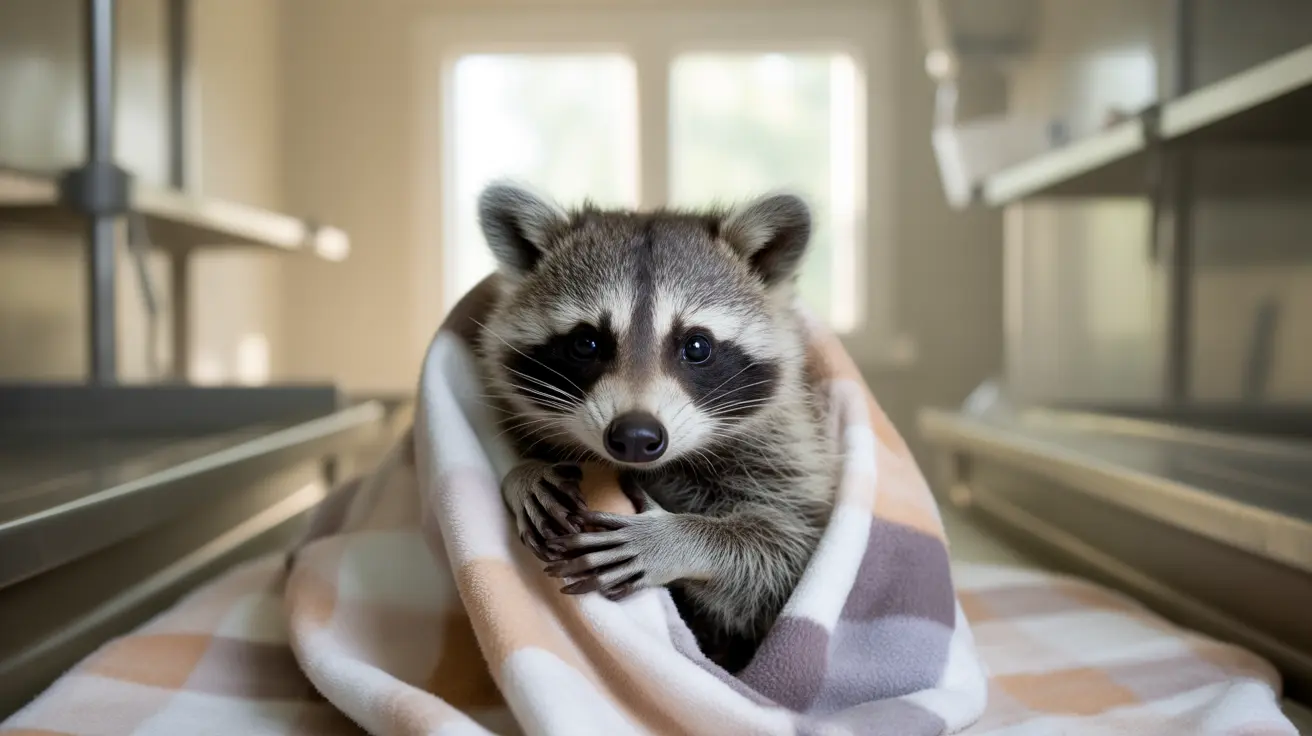
In the heart of North Carolina, a remarkable wildlife sanctuary North Carolina operates quietly but powerfully, transforming the lives of countless animals in need. The Wild Things Freedom Center has become a beacon of hope for injured, orphaned, and displaced wildlife, offering everything from bundled-up raccoons and doe-eyed deer to sharp-eyed hybrid wolves a chance at recovery and renewal.
This extraordinary facility represents the growing network of animal rehabilitation centers across NC that work tirelessly to bridge the gap between human development and wildlife conservation. For pet owners who care deeply about all animals, understanding the vital work of such sanctuaries offers insight into the broader ecosystem of animal welfare that extends far beyond our domestic companions.
Rescue and Care for Wild Animals: A Comprehensive Approach
The Wild Things Freedom Center operates as more than just a temporary shelter—it's a comprehensive animal rehabilitation center NC that addresses the complex needs of native wildlife. The facility's diverse population includes various species, each requiring specialized care protocols and rehabilitation strategies tailored to their unique biological and behavioral needs.
Wildlife rehabilitation involves multiple stages, beginning with emergency medical care and stabilization. Animals arrive at the center through various circumstances: vehicle strikes, habitat destruction, human interference with young animals, and severe weather events. Each case requires immediate assessment to determine the animal's chances for successful release back into the wild.
Raccoon Rescue and Rehab: Specialized Care for Urban Adapters
Among the center's most frequent residents are raccoons, intelligent and adaptable creatures that often find themselves in conflict with human environments. Raccoon rescue and rehab requires particular expertise, as these animals can carry diseases transmissible to humans while also possessing complex social and learning behaviors that must be preserved during captivity.
Successful raccoon rehabilitation focuses on maintaining the animals' natural fear of humans while providing necessary medical care. Young raccoons, often orphaned when mothers are killed by vehicles, require careful socialization with their own species rather than human caregivers to ensure proper development of survival skills.
Deer Rehabilitation Center: Gentle Giants Need Gentle Care
The center's deer rehabilitation center addresses the needs of these graceful animals, which frequently suffer injuries from vehicle collisions or become orphaned during hunting seasons. Deer present unique challenges due to their stress-sensitive nature and specific dietary requirements that change seasonally.
Rehabilitation protocols for deer emphasize minimizing human contact to prevent habituation, which could prove fatal if animals lose their natural wariness. Recovery often involves creating peaceful environments that simulate natural conditions while providing necessary medical interventions.
Hybrid Wolves Sanctuary: Complex Needs for Complex Animals
Perhaps the most challenging residents are hybrid wolves, animals that occupy a unique space between domestic and wild. These creatures often arrive at the sanctuary after being kept inappropriately as pets, requiring specialized care that addresses both their wolf-like behaviors and their inability to survive in truly wild conditions.
Hybrid wolves represent the complications that arise when people attempt to keep wildlife as companions. Unlike dogs, these animals retain strong predatory instincts and pack behaviors that make them unsuitable for typical domestic situations, yet their partial domestication often prevents successful release.
Wildlife Conservation North Carolina: Education and Outreach
Beyond direct animal care, the Wild Things Freedom Center contributes to broader wildlife conservation North Carolina through education programs that teach the public about coexistence with native species. These initiatives help prevent future wildlife conflicts by educating communities about proper responses to wildlife encounters.
The center also provides wildlife education programs NC that visit schools and community groups, fostering appreciation for native species and their ecological roles. Such programs prove essential for long-term conservation success, as community support directly impacts wildlife protection efforts.
Challenges in Wildlife Rehab: The Reality of Wild Animal Care
Operating a wildlife sanctuary involves numerous challenges, from securing adequate funding to managing complex medical cases with limited veterinary resources specialized in wildlife care. Many rehabilitation centers struggle with capacity issues, particularly during peak seasons when young animals are most vulnerable.
Weather events, habitat destruction, and increased human-wildlife conflicts continuously strain resources. Additionally, some animals suffer injuries too severe for successful release, requiring permanent sanctuary care that demands long-term commitment and resources.
Frequently Asked Questions
What types of animals does the Wild Things Freedom Center rescue and care for in North Carolina?
The Wild Things Freedom Center cares for a diverse menagerie of animals including raccoons, deer, and hybrid wolves, along with other native North Carolina wildlife species. Each animal receives specialized care based on its species-specific needs and rehabilitation potential.
How do wildlife sanctuaries like the Wild Things Freedom Center rehabilitate and release injured or orphaned animals?
Wildlife rehabilitation follows a structured process beginning with medical stabilization, followed by species-appropriate care that maintains wild behaviors while addressing health needs. Animals undergo conditioning to rebuild strength and natural skills before careful release into suitable habitats, though some animals require permanent sanctuary care.
How can members of the public support or volunteer at wildlife sanctuaries in North Carolina?
Wildlife sanctuaries typically welcome volunteers for various tasks including habitat maintenance, food preparation, and educational outreach. Financial donations, supplies, and spreading awareness about wildlife conservation also provide crucial support for these nonprofit animal sanctuaries.
Building Bridges Between Humans and Wildlife
The Wild Things Freedom Center exemplifies the compassionate intersection of human responsibility and wildlife welfare. For pet lovers who understand the joy animals bring to our lives, supporting wildlife conservation efforts extends that care to animals who deserve protection and respect in their natural environments.
By learning about and supporting such facilities, we contribute to a world where both domestic companions and wild creatures can thrive alongside human communities, creating a more compassionate and sustainable future for all species.




