
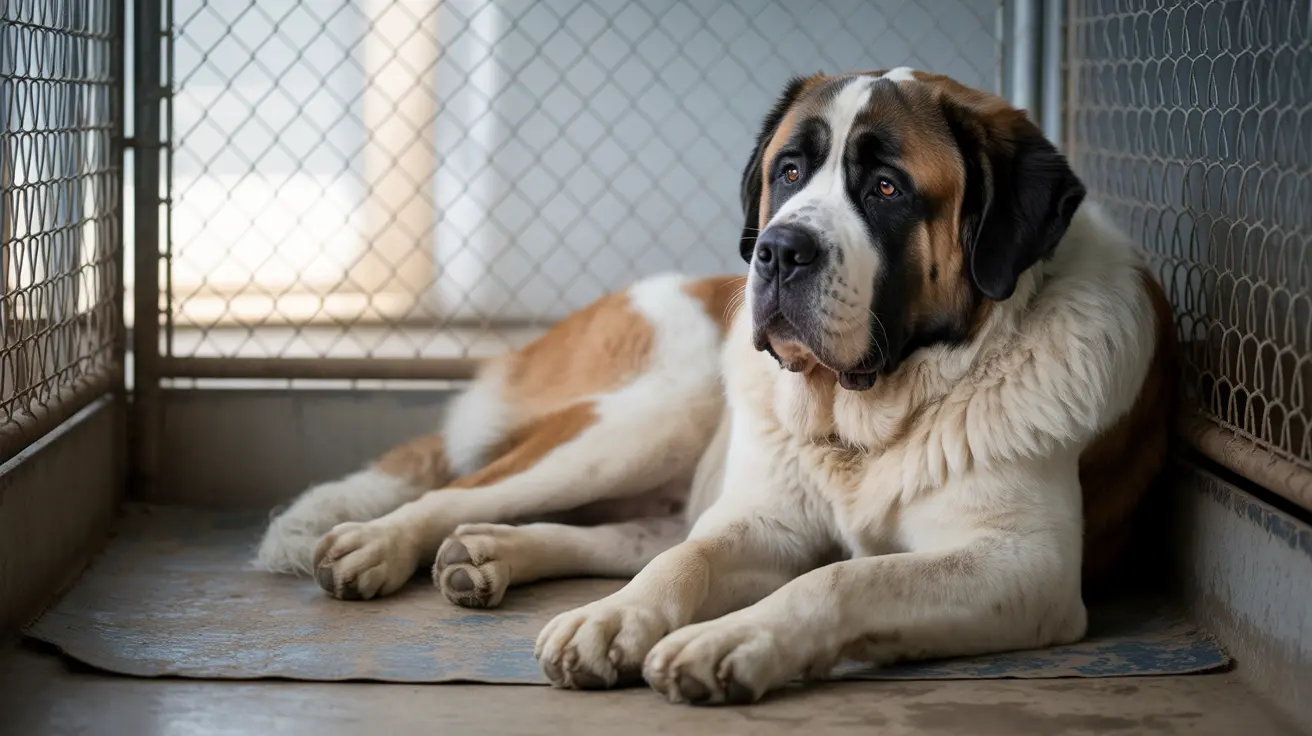
A recent animal hoarding case in Cheyenne, Wyoming has sparked urgent calls for legislative reform after highlighting a troubling reality: current state laws make it extraordinarily difficult to secure felony animal cruelty convictions without documented animal deaths. This case has reignited debate among animal welfare advocates, legal experts, and pet care professionals about whether existing statutes adequately protect animals from severe neglect and abuse.
The outcome of this case demonstrates how legal loopholes can allow perpetrators of serious animal cruelty to escape appropriate consequences, potentially enabling repeat offenses. For pet owners and animal lovers nationwide, this situation underscores the importance of understanding and advocating for stronger animal protection laws in their communities.
The Current Legal Framework for Animal Cruelty
Under many state laws, including Wyoming's current statutes, proving felony-level animal cruelty requires demonstrating severe harm or death to animals. This "body count" requirement creates significant challenges for prosecutors, even in cases involving obvious neglect, malnutrition, or psychological trauma to animals.
Misdemeanor charges, while easier to prove, often carry insufficient penalties to deter repeat offenses or reflect the severity of the crime. This legal gap means that animals can endure prolonged suffering without their abusers facing consequences proportional to the harm caused.
Understanding Animal Hoarding Cases
Animal hoarding represents one of the most complex forms of animal cruelty, often involving individuals who believe they are helping animals while creating conditions that cause immense suffering. These cases typically feature:
- Overcrowded living conditions where animals lack adequate space, food, water, or veterinary care.
- Accumulation of animals beyond what can reasonably be cared for, leading to unsanitary environments.
- Psychological factors that prevent hoarders from recognizing the harm they're causing or seeking help voluntarily.
For pet owners, understanding these warning signs can help identify situations in their communities that may require intervention before they escalate to crisis levels.
The Impact on Animal Welfare
When legal systems struggle to address animal cruelty effectively, the consequences extend far beyond individual cases. Animals rescued from hoarding situations often require extensive rehabilitation, placing strain on already overwhelmed shelter systems and rescue organizations.
Many animals suffer from long-term physical and behavioral issues resulting from neglect, making them more difficult to rehome. The psychological trauma experienced by animals in these situations can persist long after their rescue, requiring specialized care and patience from future adopters.
What Pet Owners Can Do
Responsible pet ownership extends beyond caring for your own animals to being an advocate for animal welfare in your community. Pet owners can make a difference by staying informed about local animal protection laws and supporting organizations that work to strengthen them.
If you suspect animal neglect or abuse in your area, contact local animal control authorities or law enforcement immediately. Document any concerning conditions with photos or video when safe to do so, as this evidence can be crucial in building cases against animal abusers.
Supporting local animal shelters and rescue organizations through donations, volunteering, or fostering helps ensure these groups have the resources needed to care for animals rescued from cruelty situations.
The Path Forward for Legal Reform
Animal welfare advocates argue that effective animal cruelty laws should focus on the conditions animals endure rather than requiring proof of death or severe injury. This approach would allow prosecutors to pursue appropriate charges based on neglect, inadequate care, or dangerous living conditions before animals suffer irreversible harm.
Several states have modernized their animal cruelty statutes to address these concerns, providing models for other jurisdictions to follow. These updated laws often include provisions for psychological harm, chronic neglect, and failure to provide necessary veterinary care as felony-level offenses.
Frequently Asked Questions
What constitutes animal hoarding under the law?
Animal hoarding typically involves keeping more animals than can be properly cared for, resulting in declining health conditions, inadequate shelter, or failure to provide necessary veterinary care. The specific number of animals isn't always the determining factor – rather, it's the inability to meet their basic needs.
How can I report suspected animal cruelty in my area?
Contact your local animal control office, police department, or SPCA chapter immediately. Many areas also have anonymous tip lines for reporting animal abuse. Provide as much detail as possible about the location, conditions observed, and any immediate dangers to the animals.
What happens to animals rescued from hoarding situations?
Rescued animals typically receive immediate veterinary care and are housed in shelters or foster homes while legal proceedings continue. Many require extensive rehabilitation before they're ready for adoption, and some may need long-term specialized care due to health or behavioral issues resulting from their previous conditions.




