
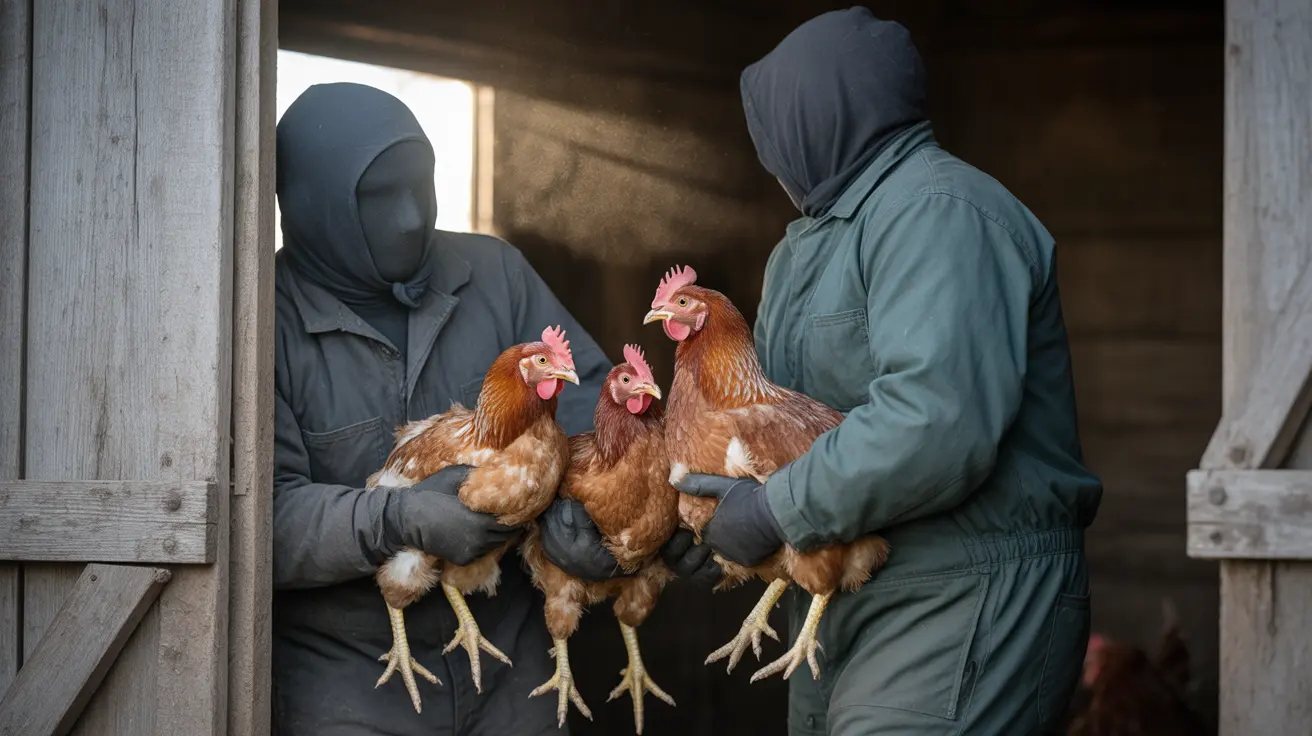
Animal rights activist Zoe Rosenberg has been sentenced to 90 days of confinement following her conviction for taking four chickens from a North Bay farm. The Zoe Rosenberg sentence includes 30 days in jail and 60 days in a jail alternative such as a halfway house or home confinement, marking a significant legal precedent in the ongoing debate over animal rescue activism.
This case highlights the complex legal landscape surrounding animal rescue efforts and raises important questions for pet owners and animal advocates about the boundaries between activism and the law. The sentencing sends ripples through the animal rights community, particularly those involved in farm animal rescue and advocacy work.
Understanding Open Rescue and Direct Action Everywhere Investigations
Rosenberg's case stems from activities related to open rescue operations, a form of activism where participants openly document conditions at animal facilities while sometimes removing animals they believe to be suffering. Direct Action Everywhere (DxE), an organization known for such investigations, employs these tactics to expose what they consider inhumane treatment of farm animals.
Unlike covert operations, open rescue involves activists who are willing to face legal consequences for their actions, believing that transparency and accountability are essential to creating change. These investigations often aim to document conditions that may contradict marketing claims about humane treatment.
Legal Risks of Rescuing Farm Animals
The Rosenberg case underscores the serious legal risks rescuing farm animals can entail, even when activists believe they are acting to prevent animal suffering. Current laws generally classify farm animals as property, making unauthorized removal potentially subject to theft charges regardless of the rescuer's intentions.
For pet owners concerned about animal welfare, understanding these legal boundaries is crucial. While the desire to help suffering animals is admirable, unauthorized rescue attempts can result in criminal charges, as demonstrated by this case.
Right to Rescue Laws and Legal Protections
The sentencing highlights ongoing efforts to establish right to rescue laws that would provide legal protections for individuals who remove animals from situations of clear distress. Advocates argue that such legislation could create a framework for legal intervention when animals are suffering, similar to Good Samaritan laws that protect people who help humans in emergencies.
Currently, most jurisdictions lack comprehensive legal protections for animal rescuers, leaving activists vulnerable to prosecution even when acting with humanitarian motives. This legal gap continues to be a point of contention between animal rights advocates and agricultural interests.
Happy Hen Animal Sanctuary and Rescued Chicken Care
Organizations like Happy Hen Animal Sanctuary demonstrate how rescued farm animals can receive proper care and rehabilitation. These facilities specialize in providing lifelong care for chickens and other farm animals that have been removed from commercial operations or surrendered by owners.
For individuals interested in supporting rescued chickens, many sanctuaries offer adoption programs where qualified caregivers can provide homes for these birds. Proper chicken care requires understanding their specific dietary, housing, and social needs, which differ significantly from typical pet care requirements.
Supporting Farm Animal Welfare Through Legal Channels
Pet owners concerned about farm animal welfare have numerous legal avenues to support change. Supporting petitions for right to rescue legislation, advocating for transparent labeling laws, and donating to legitimate animal sanctuaries are all ways to contribute to animal welfare improvements without legal risk.
Consumer choices also play a role in driving industry changes. By researching and supporting producers with genuine welfare commitments, pet owners can use their purchasing power to encourage better treatment of farm animals across the industry.
Frequently Asked Questions
How did Zoe Rosenberg's Petaluma Poultry rescue lead to criminal charges and what was her sentence?
Zoe Rosenberg was convicted for taking four chickens from a North Bay farm and sentenced to 90 days of confinement - 30 days in jail plus 60 days in a jail alternative like a halfway house or home confinement. The charges likely stemmed from unauthorized removal of animals that legally qualified as theft under current property laws.
What is an "open rescue" and how does Direct Action Everywhere (DxE) use it to document farm conditions?
Open rescue involves activists transparently documenting conditions at animal facilities while sometimes removing animals they believe are suffering. Unlike covert operations, participants openly identify themselves and accept potential legal consequences, believing this transparency helps expose industry practices and creates accountability.
If I find clearly injured or sick farm animals, what legal options exist for concerned individuals?
Currently, legal protections for animal rescuers are limited. The safest approach is contacting local animal control, law enforcement, or animal welfare organizations rather than attempting unauthorized rescue. Advocates continue pushing for "right to rescue" laws that would provide legal protections for those helping suffering animals, but such legislation remains limited.
Conclusion
The Zoe Rosenberg sentence represents a pivotal moment in the intersection of animal rights activism and legal accountability. While her case demonstrates the serious legal risks associated with unauthorized animal rescue, it also highlights the ongoing need for clearer legal frameworks that balance animal welfare concerns with property rights.
For pet owners and animal advocates, this case serves as a reminder that supporting animal welfare requires understanding both the moral imperatives and legal realities involved. By channeling concern for animals through legal advocacy, consumer choices, and support for legitimate rescue organizations, individuals can contribute to meaningful change while avoiding the legal pitfalls that activists like Rosenberg have faced.




