
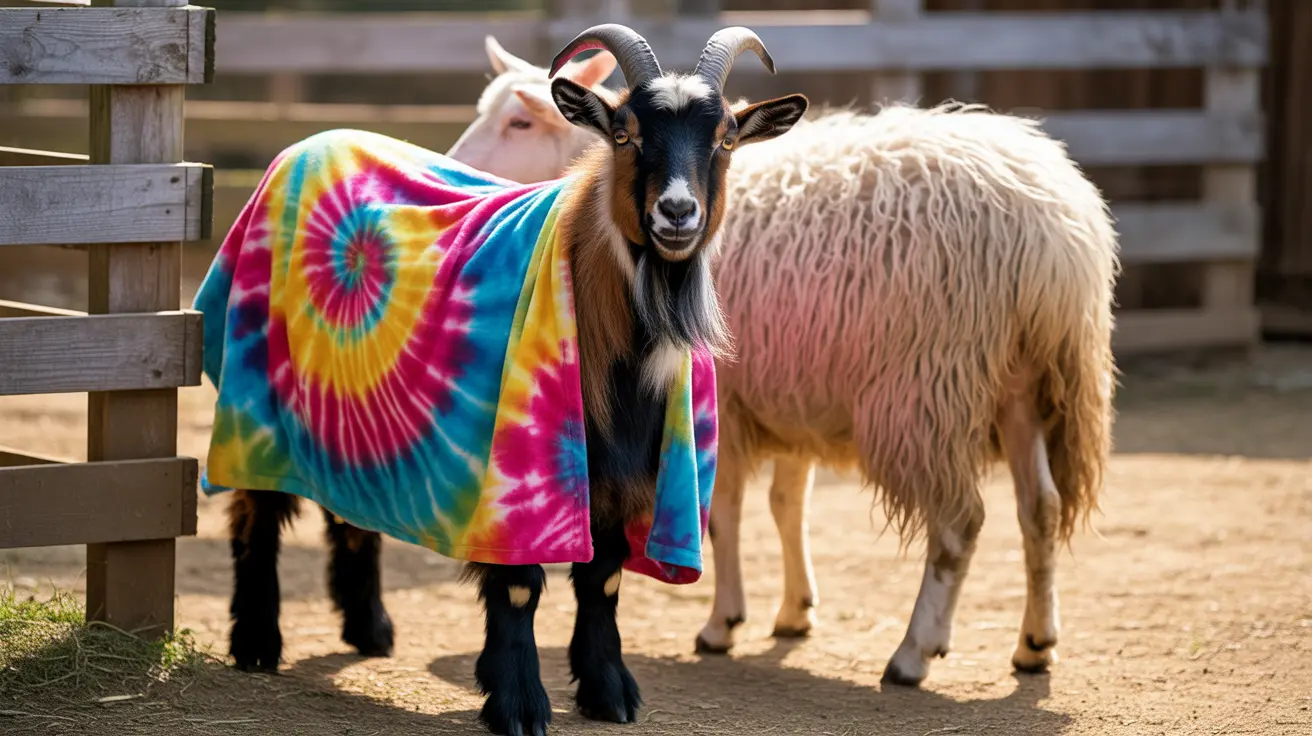
As winter temperatures drop across Georgia and beyond, animal caregivers face the critical challenge of protecting their charges from harsh weather conditions. Zoo Atlanta's Ambassador Animals Team, led by dedicated professionals like Kaileen Anich from the Outback Station area, provides valuable insights into zoo winter animal care practices that can benefit pet owners everywhere.
Understanding how professional facilities manage cold weather challenges offers pet parents practical guidance for keeping their own animals safe, comfortable, and healthy during winter months. From specialized housing solutions to nutrition adjustments, the strategies employed by zoos translate directly to home pet care situations.
How to Keep Pets Warm in Winter: Professional Approaches
Zoo professionals employ multiple strategies to ensure animal comfort during cold weather. These methods focus on providing appropriate shelter, maintaining body heat, and monitoring animal behavior for signs of distress. Pet owners can adapt these same principles for their dogs, cats, rabbits, and other companion animals.
The foundation of effective winter care begins with understanding each animal's specific needs. Just as zoos customize care plans for different species, pet owners must consider their animal's breed, age, health status, and natural cold tolerance when developing winter protection strategies.
Animal Cold Weather Adaptations and Natural Responses
Many animals possess remarkable natural abilities to cope with temperature drops. Understanding these animal cold weather adaptations helps caregivers recognize when intervention is necessary versus when animals can manage independently. Some pets develop thicker coats naturally, while others may require additional support.
Wildlife and domestic animals often exhibit behavioral changes during cold weather, such as seeking warmer locations, eating more food for energy, or becoming less active to conserve heat. Recognizing these normal responses helps distinguish between adaptive behavior and distress signals.
Heated Animal Shelters and Indoor Pet Winter Safety
Professional facilities utilize heated animal shelters designed specifically for different species' needs. Similarly, pet owners should ensure their animals have access to warm, dry spaces during extreme weather. Indoor pet winter safety involves maintaining appropriate temperatures while ensuring proper ventilation and avoiding heating hazards.
Creating safe warm zones within homes requires attention to electrical safety, fire prevention, and temperature monitoring. Pets should have easy access to heated areas without risk of burns or overheating.
Winter Pet Nutrition and Energy Requirements
Cold weather increases energy demands for temperature regulation, making winter pet nutrition adjustments essential. Animals may require additional calories to maintain body heat, particularly those spending time outdoors. However, indoor pets with reduced activity levels may need portion adjustments to prevent weight gain.
Providing unfrozen water bowls for pets remains crucial throughout winter months. Dehydration can occur even in cold weather, and ice-covered water sources create additional stress for animals trying to meet their hydration needs.
Preventing Pet Frostbite and Cold-Related Injuries
Understanding the signs of cold stress helps prevent serious health issues. Preventing pet frostbite requires knowledge of vulnerable areas such as ears, paws, and tails, along with recognition of early warning signs like shivering, lethargy, or seeking unusual hiding spots.
Regular monitoring becomes even more important during winter months, as some animals may not show obvious distress signals until conditions become dangerous. Quick intervention can prevent minor cold exposure from becoming a serious health emergency.
Frequently Asked Questions
How do zoos keep animals warm during winter months?
Zoos use multiple strategies including heated shelters, custom winter coats for certain animals, adjusted feeding schedules to increase caloric intake, and constant monitoring by trained staff. They also modify habitats with windbreaks, heated surfaces, and warm bedding materials while ensuring animals maintain access to fresh, unfrozen water.
What are the signs that my pet is too cold and needs to come inside?
Watch for shivering, lethargy, lifting paws frequently, seeking unusual hiding spots, hunched posture, or reluctance to move. Cats may seek warm surfaces excessively, while dogs might whine or appear anxious. Any sign of discomfort warrants bringing your pet inside immediately.
Why do some zoo animals have custom winter coats, and can I make one for my pet?
Custom winter coats protect animals not naturally adapted to cold climates, particularly tropical species or those with thin fur. Pet owners can absolutely create or purchase appropriate winter clothing for their animals, ensuring proper fit and breathable materials that don't restrict movement or natural behaviors.
Conclusion
Effective zoo winter animal care demonstrates that protecting animals from cold weather requires thoughtful planning, appropriate resources, and consistent monitoring. Pet owners can apply these professional strategies to ensure their companions remain safe and comfortable throughout winter months.
By understanding natural adaptations, providing appropriate shelter and nutrition, and recognizing warning signs of cold stress, pet parents can successfully navigate winter challenges. The expertise shared by professionals like those at Zoo Atlanta's Outback Station offers valuable guidance for creating comprehensive cold weather care plans that prioritize animal welfare and comfort.




