
When Florida experiences an unexpected cold snap, it's not just pet owners who need to take action—major wildlife facilities like ZooTampa also implement comprehensive cold weather protocols to protect their diverse animal populations. As Tampa Bay residents prepared for plummeting temperatures on Thursday, the zoo's dedicated staff worked diligently to ensure every creature under their care would stay warm and safe.
The rare Florida cold snap serves as an important reminder for pet parents throughout the region. While zoos have specialized equipment and trained professionals to manage temperature drops, everyday pet owners must also understand how to protect their furry, feathered, and scaled companions when the mercury falls below normal Florida ranges.
How ZooTampa Protects Animals During Cold Snaps
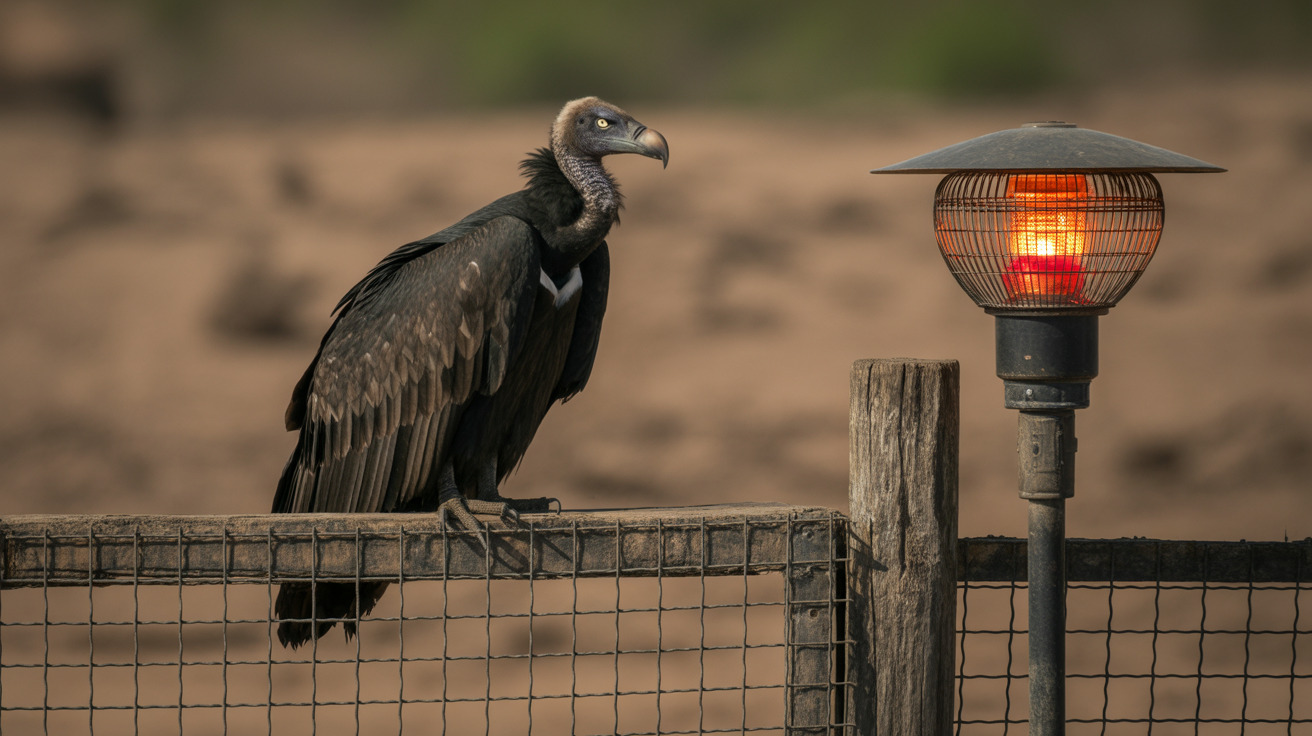
ZooTampa's approach to protecting pets from cold Tampa weather involves multiple layers of preparation and specialized equipment. The facility utilizes heat lamps strategically positioned throughout animal enclosures, providing targeted warmth for species that are particularly vulnerable to temperature fluctuations.
Warm shelters play a crucial role in the zoo's cold weather strategy. These climate-controlled spaces allow animals to retreat from outdoor conditions while maintaining their normal behavioral patterns and feeding schedules.
Zoo Animals Heat Lamps and Specialized Care
Different species require different approaches to cold weather protection. Zoo animals heat lamps are carefully calibrated to provide appropriate warmth without overwhelming sensitive animals or disrupting their natural rhythms.
The implementation of these warming systems requires careful monitoring by veterinary staff and animal care specialists who understand each species' specific temperature requirements and behavioral responses to weather changes.
Species-Specific Cold Protection Measures
African Penguins Cold Care Requirements
Despite their association with cold climates, African penguins cold care presents unique challenges in Florida zoos. These birds are actually adapted to the temperate coastal regions of southern Africa, not extreme cold, making temperature monitoring essential during unusual weather events.
Giraffe Heated Barn Florida Protocols
Large mammals like giraffes benefit from giraffe heated barn Florida facilities that provide spacious, temperature-controlled environments. These structures allow animals to move freely while staying protected from harsh outdoor conditions.
Komodo Dragon Cold Protection Strategies
Reptiles face particular challenges during temperature drops. Komodo dragon cold protection involves specialized heating systems that maintain optimal body temperatures for these cold-blooded animals, ensuring proper digestion and immune function.
Manatee Heated Pools Management
Aquatic mammals require carefully maintained water temperatures. Manatee heated pools use sophisticated heating systems to keep water at safe, comfortable levels that support these gentle giants' health and well-being.
Essential Pet Care During Florida's Winter Weather
Pet owners can learn valuable lessons from professional zoo management. When temperatures drop, consider bringing outdoor pets indoors or providing insulated shelters with appropriate bedding materials.
Recognizing Pet Hypothermia Signs Florida
Understanding pet hypothermia signs Florida pet owners should watch for includes shivering, lethargy, weakness, and changes in breathing patterns. Immediate veterinary attention may be necessary if these symptoms appear.
Protecting Outdoor Areas and Gardens
Just as zoos protect their animals, homeowners must consider tropical plants frost protection. Cover plants cold snap Tampa strategies include using blankets, tarps, or specialized plant covers to shield sensitive vegetation from freezing temperatures.
Creating Safe Indoor Environments
Pet indoor cold weather preparation involves ensuring adequate heating, comfortable bedding, and limited exposure to drafts. Small animals, elderly pets, and those with health conditions require extra attention during temperature extremes.
Consider using hay bedding birds cold weather setups for outdoor aviaries, providing extra insulation and warmth-retaining materials that help maintain body temperature naturally.
Frequently Asked Questions
How do zoos like ZooTampa protect animals from cold snaps in Florida?
Zoos implement comprehensive cold weather protocols including heat lamps, heated shelters, species-specific warming systems, and continuous monitoring by veterinary staff. Different animals receive customized care based on their natural habitat requirements and cold tolerance levels.
What should I do to keep my pets safe when temperatures drop below 40 degrees in Tampa?
Bring outdoor pets indoors, provide warm bedding and shelter, monitor for signs of hypothermia, ensure access to unfrozen water, and limit outdoor exposure time. Small, elderly, or sick pets need extra protection and should be kept in heated indoor areas.
Why do Florida zoo animals like African penguins need extra care during rare cold weather?
While penguins are associated with cold climates, African penguins are adapted to temperate coastal conditions, not extreme cold. They require monitored heating systems and shelter options to maintain proper body temperature and prevent stress-related health issues during unusual weather events.
Preparing for Future Cold Weather Events
The Florida cold snap 2026 demonstrates the importance of having emergency preparedness plans for both zoos and pet owners. Regular maintenance of heating equipment, adequate supplies of warm bedding, and understanding your pet's specific needs ensures everyone stays safe when unexpected weather strikes the Sunshine State.
By following professional protocols and staying informed about weather forecasts, Tampa Bay pet parents can provide the same level of care and protection that dedicated zoo professionals offer their animal charges.




