
Exotic Species from Africa in Maine Educational Programs
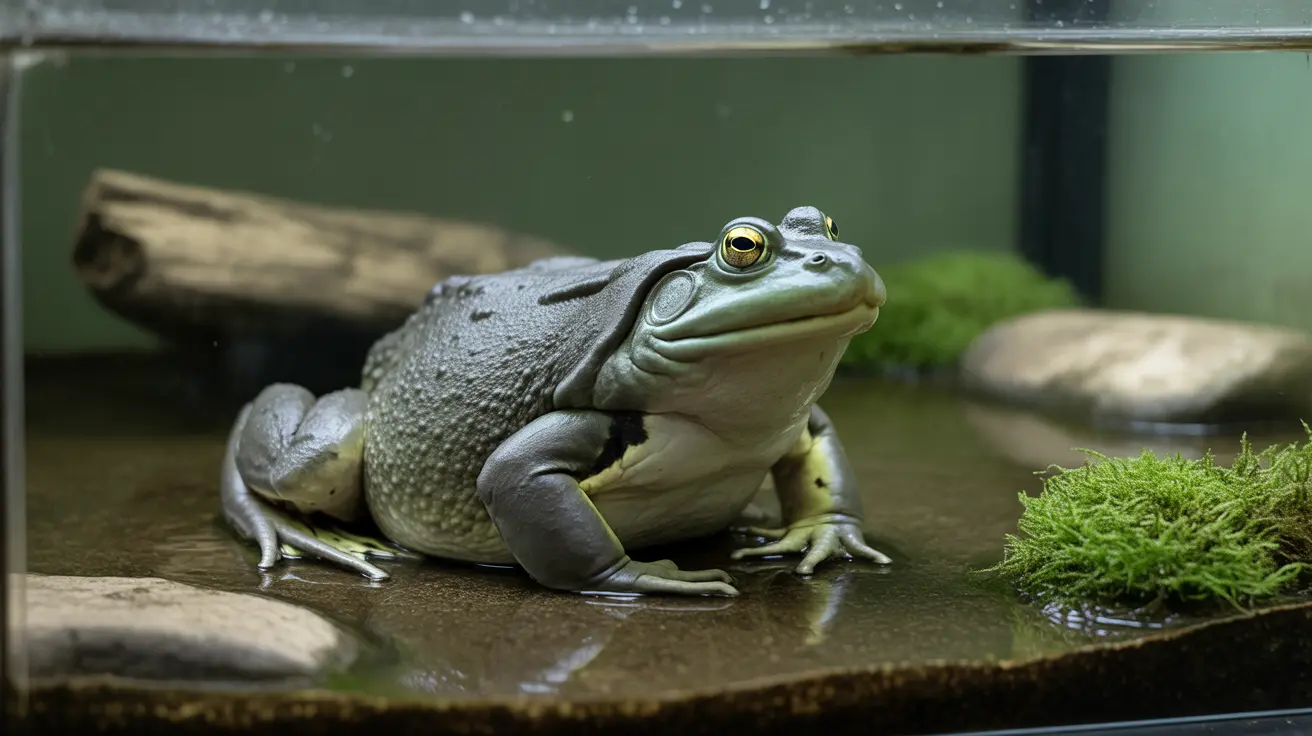
Mr. Drew and His Animals Too, a popular educational program, recently highlighted fascinating African species that Maine residents would never encounter in their local wilderness. The presentation featured African bullfrogs Maine educators use to teach children about exotic wildlife, alongside other remarkable creatures from the African continent that thrive only in controlled environments far from Maine's natural habitat.
This educational initiative brings awareness to the diverse wildlife found across Africa while emphasizing the importance of proper exotic animal care and understanding Maine's wildlife regulations. The program serves as an excellent example of how African bullfrogs Maine educational programs can inspire learning while promoting responsible pet ownership.
Exotic Pets Maine Laws and Regulations
Maine's Department of Inland Fisheries and Wildlife (DIFW) maintains strict guidelines regarding exotic species ownership. The state categorizes animals into restricted and unrestricted species lists, ensuring that only appropriate exotic pets are kept in captivity within Maine's borders. Understanding these Maine DIFW unrestricted species regulations is crucial for anyone considering exotic pet ownership.
Educational programs like Mr. Drew's serve an important purpose in demonstrating why certain African species require specialized care and cannot survive in Maine's climate. These presentations help the public understand the significant differences between native Maine wildlife and exotic species from warmer climates.
African Bullfrog Care and Characteristics
African bullfrogs represent one of the continent's most impressive amphibians, showcasing remarkable adaptations for survival in harsh African environments. These powerful amphibians demonstrate fascinating bullfrog burrowing behavior, digging deep into the ground to escape extreme temperatures and drought conditions.
In educational settings, African amphibians captivity care requires specific temperature, humidity, and dietary considerations. African bullfrogs need warm environments with temperatures ranging from 75-85°F, proper substrate for burrowing, and a diet consisting of appropriately sized prey items. Their care demonstrates the complexity involved in maintaining exotic species outside their natural habitats.
Savannah Monitors Pets: Understanding African Reptile Needs
Savannah monitors represent another African species featured in educational programs, highlighting the specialized requirements of exotic reptiles education Maine programs promote. These impressive lizards require extensive savannah monitor habitat setups including large enclosures, proper heating systems, and specific environmental conditions.
The savannah monitor diet consists primarily of insects, small mammals, and eggs in the wild. In captivity, providing proper nutrition becomes a significant responsibility requiring knowledge of their natural feeding patterns and nutritional needs. These requirements demonstrate why exotic pet ownership demands serious commitment and expertise.
Chameleons Legal Maine Considerations
Panther chameleons represent some of the most visually striking reptiles from Africa, known for their remarkable color-changing abilities and specialized chameleon tongue facts that fascinate audiences. These creatures require highly specific environmental conditions including precise temperature gradients, humidity levels, and UV lighting that would be impossible to maintain outdoors in Maine's climate.
Educational presentations featuring these animals help explain why chameleons like panther chameleons survive outdoors in Maine only during the warmest summer months and require indoor habitats year-round. Their specialized needs illustrate the commitment required for proper exotic pet care.
Educational Impact of Mr. Drew Animals Too Program
Programs like Mr. Drew's serve vital educational functions, teaching children about wildlife conservation, responsible pet ownership, and the importance of protecting natural habitats. These presentations help students understand why exotic animals belong in their native environments and the specialized care required when kept in educational or research settings.
The program emphasizes that while these African species are fascinating, they represent significant responsibilities when kept in captivity. This educational approach helps prevent impulsive exotic pet acquisitions while fostering appreciation for wildlife conservation efforts.
Frequently Asked Questions
Are African bullfrogs legal to own as pets in Maine?
African bullfrogs may be legal under Maine's unrestricted species list, but potential owners should verify current regulations with Maine DIFW. These amphibians require specialized care including proper heating, substrate for burrowing, and specific dietary requirements that make them challenging pets for inexperienced keepers.
What care do savannah monitors need to thrive in captivity in Maine?
Savannah monitors require large enclosures (minimum 8x4x4 feet), basking temperatures of 120-130°F, proper substrate for burrowing, and a varied diet including insects and appropriate protein sources. They also need UVB lighting and regular veterinary care from exotic animal specialists.
Can chameleons like panther chameleons survive outdoors in Maine?
Panther chameleons cannot survive Maine's outdoor climate year-round. They require consistent temperatures between 70-80°F, specific humidity levels, and specialized UV lighting. Even during summer months, Maine's temperature fluctuations and lack of appropriate vegetation make outdoor survival impossible for these African natives.
Educational programs featuring African species help Maine residents appreciate exotic wildlife while understanding the commitment required for proper care. These presentations promote conservation awareness while discouraging inappropriate exotic pet ownership, ensuring both animal welfare and public safety remain priorities in Maine's approach to exotic species education.




