
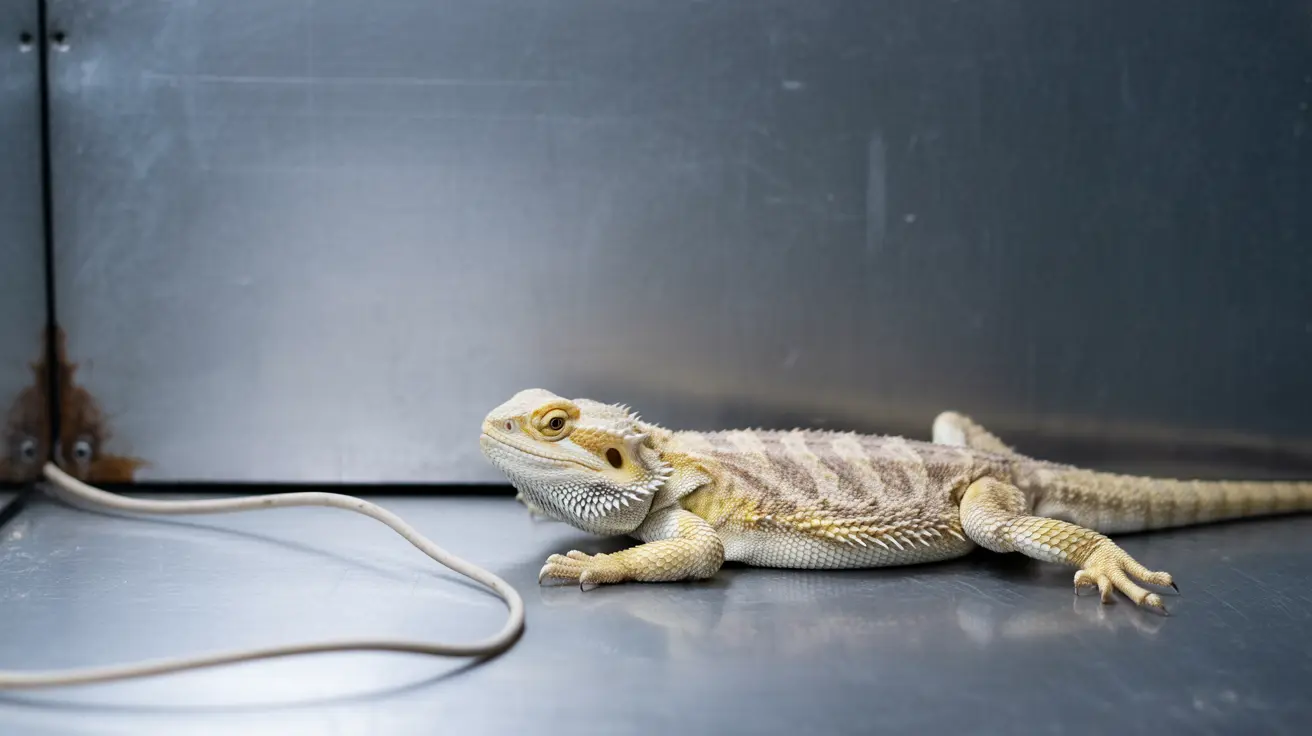
A recently released federal report has uncovered disturbing animal neglect signs at a local breeding operation, revealing conditions so severe that at least one squirrel died after months of neglect. The damning investigation has prompted animal rights organization PETA to seek criminal charges against the facility, highlighting ongoing issues with commercial dog breeding abuse and inadequate oversight in the industry.
This case underscores the critical importance of recognizing animal neglect signs and understanding the regulatory gaps that allow such conditions to persist. For pet parents and animal advocates, this incident serves as a stark reminder of why choosing adoption over purchasing from questionable sources remains crucial for animal welfare.
Commercial Dog Breeding Abuse Uncovered in Federal Investigation
The federal report details shocking conditions at the breeding facility, where animals were confined in filthy, feces-covered enclosures without adequate care. Beyond the tragic death of at least one squirrel, investigators documented systematic neglect affecting multiple animals housed at the operation.
These findings align with common patterns seen in problematic breeding facilities across the country. When commercial operations prioritize profit over animal welfare, the results often include overcrowding, poor sanitation, inadequate veterinary care, and prolonged confinement in substandard conditions.
How to Report Animal Cruelty in Your Community
When witnesses observe potential abuse or neglect, taking action can save lives. Documenting evidence through photographs or videos, noting dates and specific conditions, and contacting appropriate authorities are essential first steps. Local animal control, humane societies, and law enforcement agencies all play roles in investigating suspected cruelty cases.
Animal advocacy organizations like PETA also provide resources for reporting suspected abuse and can offer guidance on navigating the reporting process effectively.
Animal Welfare Act Enforcement Challenges
While the Animal Welfare Act establishes minimum standards for commercial breeding facilities, enforcement remains inconsistent and often inadequate. Federal inspections typically result in citations and documentation of violations, but rarely lead to immediate intervention or animal seizures.
This enforcement gap means that animals may continue suffering even after violations are identified. The system relies heavily on state anti-cruelty laws to provide meaningful consequences, but these laws vary significantly in scope and effectiveness across different jurisdictions.
Puppy Mill Conditions and Regulatory Gaps
Large-scale commercial breeding operations often operate with minimal oversight, creating environments where animal neglect signs can persist unchecked. Poor ventilation, inadequate space, lack of socialization, and insufficient veterinary care are common issues that federal regulations struggle to address comprehensively.
The current regulatory framework leaves many animals vulnerable, particularly when facilities operate in areas with limited local enforcement resources or weak state-level animal protection laws.
Legal Protections for Breeding Animals
Existing legal protections for animals in commercial breeding facilities face significant limitations. The Animal Welfare Act covers only certain species and excludes many common breeding situations. State laws provide additional protections but often include exemptions for agricultural or commercial operations.
These legal gaps create situations where systematic neglect can continue with minimal consequences, making advocacy and consumer awareness crucial components of animal protection efforts.
Adopt Don't Shop: Making a Difference
Consumer choices directly impact demand for commercial breeding operations. When potential pet parents choose adoption from shelters or reputable rescues instead of purchasing from pet stores or online sources, they reduce the market incentive for large-scale breeding facilities that prioritize volume over animal welfare.
This approach not only helps individual animals find homes but also decreases the financial motivation for maintaining substandard breeding operations.
Frequently Asked Questions
- What signs of animal neglect should I look for in commercial breeding facilities?
Common signs include animals confined in filthy, feces-covered enclosures, lack of clean water or food, untreated medical issues such as eye infections and matted fur, and strong odors indicating poor sanitation.
- How can I report suspected animal cruelty or neglect at a local breeding or pet facility?
Document conditions with dated photos or videos showing lack of shelter, untreated wounds, or malnourishment, then file a detailed complaint with local authorities such as animal control, humane societies, or law enforcement, and consider contacting animal advocacy groups like PETA for assistance.
- Why do federal inspections of breeding facilities often fail to stop ongoing animal abuse?
Federal inspections typically document violations and issue citations but rarely seize animals or impose immediate sanctions; enforcement often depends on state and local criminal laws, which can be slow, limited, or lack clear guidelines for prosecuting systemic neglect.
- What legal protections exist for animals in breeding facilities, and what are their limitations?
The Animal Welfare Act mandates minimum care standards but excludes many animals and settings; enforcement is weak with infrequent penalties, and state anti-cruelty laws vary widely, often with exemptions and vague terms that make prosecuting large-scale neglect challenging.
- How can consumers help reduce the demand for animals from neglectful breeding operations?
By adopting pets from shelters or reputable rescues instead of buying from pet stores or online sources, consumers can reduce the market for large-scale breeding operations that prioritize volume and cost over animal welfare.
Moving Forward: Protecting Animals Through Awareness
The disturbing revelations in this federal report serve as a call to action for improved oversight, stronger enforcement, and continued public awareness about animal neglect signs in commercial breeding operations. While regulatory improvements take time, individual choices to support ethical animal sources can create immediate positive impact.
By staying informed about these issues and making conscientious decisions about pet acquisition, animal lovers can contribute to a future where systematic neglect becomes increasingly difficult to sustain economically or legally.




