
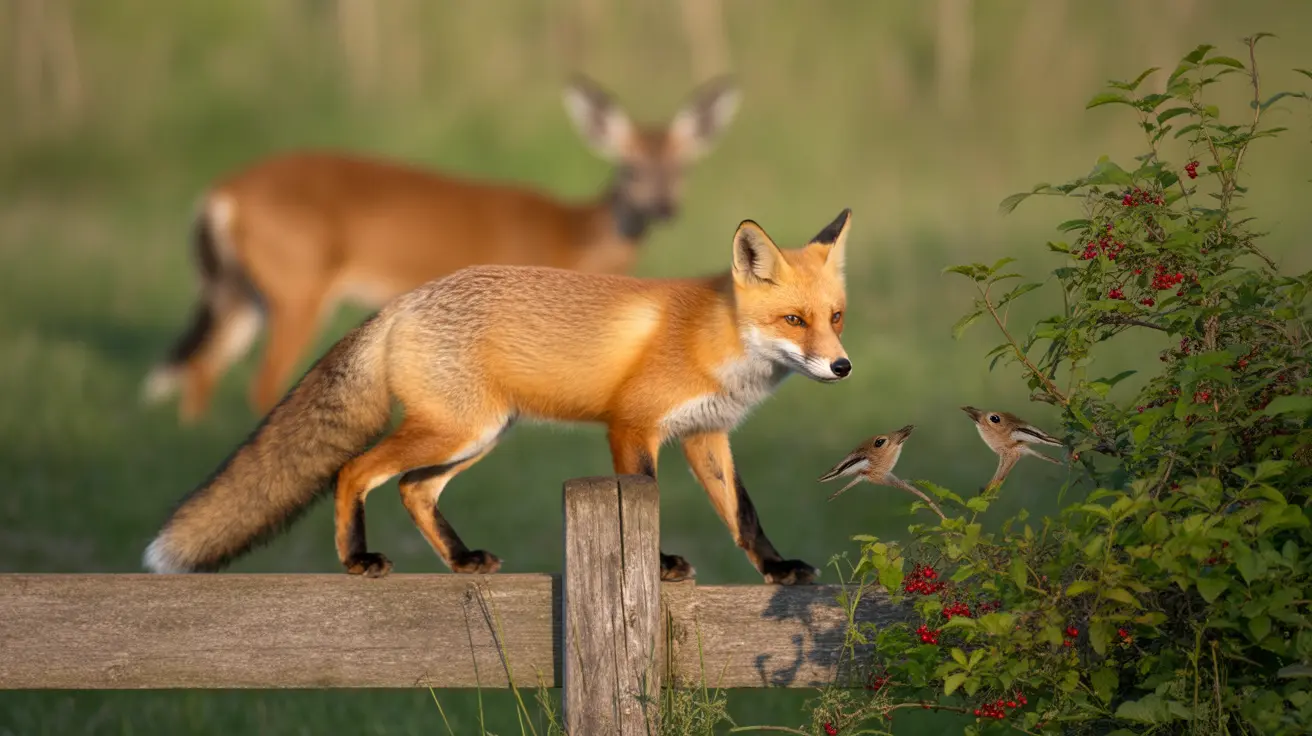
Scientists are discovering that animal personalities play a crucial role in the success of conservation efforts worldwide. From bold foxes to gregarious birds, individual behavioral traits are increasingly being recognized as essential factors in species reintroduction programs and wildlife management strategies.
This groundbreaking approach to animal personality conservation is transforming how conservationists select, prepare, and monitor animals for release into the wild. By understanding whether an animal is naturally shy or bold, social or solitary, researchers can make more informed decisions that dramatically improve survival rates and population establishment success.
Understanding Wildlife Reintroduction Success Through Behavioral Traits
The concept of animal behavior traits in conservation goes far beyond simple observations. Scientists now recognize that personality differences between individual animals can determine whether a reintroduction program succeeds or fails. Shy animals often demonstrate superior survival skills in environments with high predator populations, while bolder individuals may be better suited for rapid population growth in safer habitats.
This personalized approach to species reintroduction programs represents a significant shift from traditional "one-size-fits-all" conservation methods. Instead of assuming all members of a species will respond similarly to new environments, researchers now assess individual personality profiles to optimize placement decisions.
The Science Behind Boldness in Animals and Conservation Outcomes
Boldness in animals emerges as one of the most critical personality traits affecting reintroduction success. Bold animals tend to explore new territories more readily and may establish breeding territories faster, but they also face higher predation risks due to their willingness to take chances.
Conversely, cautious individuals often exhibit superior predator avoidance behavior, leading to higher survival rates in dangerous environments. This understanding has led conservationists to develop more nuanced population establishment strategies that consider the behavioral makeup of release groups.
Animal Sociability Conservation and Group Dynamics
Animal sociability plays an equally important role in conservation success. Highly social animals may struggle when released in small groups, while solitary species might face challenges if released in areas requiring cooperative behaviors for survival.
Research shows that behavioral diversity animals within reintroduced populations provides the best outcomes. Groups containing both shy and bold individuals, social and solitary animals, create more resilient populations capable of adapting to various environmental challenges.
Wildlife Personality Testing and Modern Conservation Management Techniques
Wildlife personality testing has evolved into a sophisticated field combining video behavioral analysis, novel object responses, and activity monitoring. These conservation management techniques help researchers identify key personality traits before animals are selected for release programs.
However, animal personality research faces practical limitations. Budget constraints and fieldwork challenges don't always allow for comprehensive personality assessments, forcing conservationists to balance ideal scientific protocols with real-world implementation possibilities.
The Ecosystem Role Individual Animals Play in Population Success
The ecosystem role individual animals play extends beyond their immediate survival. Personality differences affect how animals utilize resources, interact with other species, and respond to environmental changes. Bold animals might discover new food sources or habitat areas, while cautious individuals may identify and avoid potential threats more effectively.
This diversity ensures that reintroduced populations can adapt to unexpected challenges and maintain stable breeding patterns across varying environmental conditions.
Human-Wildlife Conflict Management and Personality Considerations
Human-wildlife conflict management has also benefited from personality research. Conservation tools like fladry (colorful flag ropes used to deter predators) show varying effectiveness based on individual animal personalities. Shy wolves typically avoid these visual deterrents, while bold wolves may ignore them entirely, requiring alternative management strategies.
Understanding these personality-based responses helps wildlife managers develop more effective, targeted approaches to reducing conflicts between humans and wildlife.
The Future of Reintroduction Survival Rates
As animal personality conservation continues to evolve, reintroduction survival rates are expected to improve significantly. This research provides conservationists with powerful tools for making data-driven decisions about animal selection, release timing, and post-release monitoring strategies.
The integration of personality science into conservation represents a promising direction for wildlife management, offering hope for endangered species recovery programs worldwide.
Frequently Asked Questions
- How do scientists use animal personality to improve wildlife reintroduction success? Scientists assess personality traits like boldness, exploration, and sociability to match animals with appropriate environments—shy individuals often survive better in predator-rich areas, while bolder animals may be selected for rapid population growth in safer habitats.
- What are the main personality traits studied in conservation programs? The primary traits are boldness (risk-taking behavior), sociability (group interaction), exploration (environmental engagement), and activity level, as these directly influence survival, reproduction, and adaptation to new environments.
- Why is personality diversity important for establishing reintroduced animal populations? A mix of shy and bold individuals provides behavioral diversity that enhances population resilience; populations with only one personality type would have reduced reproduction rates, limited environmental exploration, and lower survival chances.
- Can animal personality affect how well wildlife conflict management tools work? Yes—personality significantly impacts effectiveness of nonlethal deterrents; for example, fladry (colorful flag ropes) effectively deter shy wolves from livestock but may not work on bold wolves that ignore the visual stimulus.
- How do conservationists test animals for personality traits before reintroduction? Methods include video behavioral analysis (recording interactions and exploration), novel object responses, and activity monitoring—though personality assessments may not always be possible due to budget and fieldwork constraints.




