
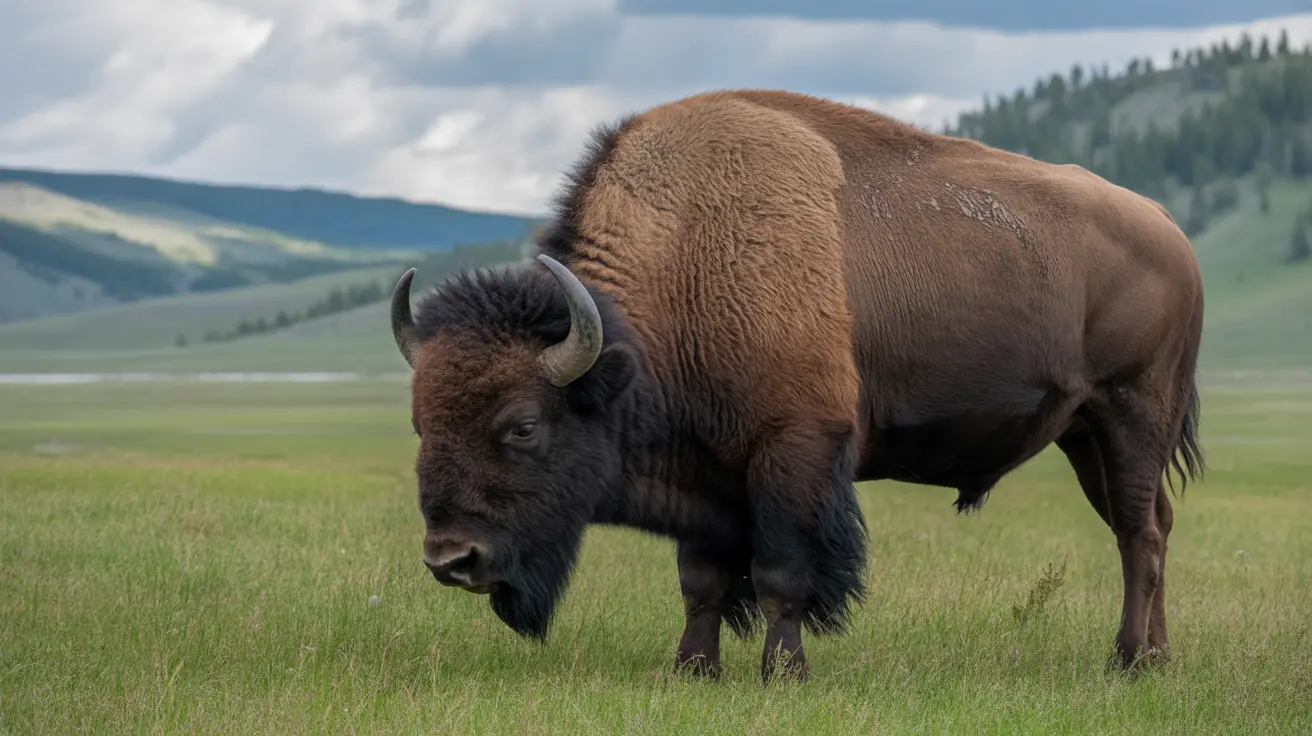
Yellowstone National Park stands as one of America's premier destinations for experiencing wildlife in their natural habitat. The park's diverse ecosystem supports an incredible variety of Yellowstone wildlife, from iconic grizzly bears and wolves to massive bison herds and graceful elk. For pet owners and nature enthusiasts alike, understanding how to safely observe these magnificent Yellowstone National Park animals creates unforgettable memories while respecting the delicate balance of this protected wilderness.
The park's unique geography and conservation efforts have made it a sanctuary where visitors can witness animals behaving naturally in one of the world's most pristine environments. Whether you're hoping to catch a glimpse of the famous Lamar Valley wolves or observe grizzly bears Yellowstone is renowned for, proper preparation and knowledge enhance both safety and wildlife viewing success.
Prime Wildlife Viewing Locations in Yellowstone
Lamar Valley: The American Serengeti
Often called America's Serengeti, Lamar Valley represents the crown jewel for wildlife enthusiasts seeking the best places to see wolves Yellowstone offers. This expansive valley provides optimal conditions for observing wolf packs, particularly during dawn and dusk hours when these predators are most active. The open terrain allows for excellent visibility while maintaining safe distances required for responsible wildlife viewing.
The valley also supports significant bison Yellowstone populations, creating dramatic scenes as these massive herds migrate across the landscape. During spring and early summer, visitors frequently witness elk viewing Yellowstone experiences as mothers tend to their young calves in the valley's protective grasslands.
Hayden Valley: Wildlife Diversity Hub
This scenic valley serves as another wildlife hotspots Yellowstone destination, offering diverse animal encounters throughout the year. The Yellowstone River meanders through this area, attracting various species for drinking and feeding opportunities.
Essential Wildlife Safety Guidelines
Maintaining Safe Distances
Understanding how to keep distance from bison remains crucial for visitor safety. These seemingly docile animals can charge at speeds exceeding 35 miles per hour, making proper spacing essential. Park regulations require maintaining at least 25 yards from bison and elk, while bears and wolves require a minimum 100-yard buffer zone.
Bear Safety Protocols
Implementing proper Yellowstone bear safety measures protects both visitors and wildlife. Carrying bear spray, making noise while hiking, and properly storing food items prevents dangerous encounters while allowing bears to maintain their natural behaviors without human interference.
Optimal Timing for Wildlife Encounters
Seasonal Viewing Opportunities
The best time to see bears Yellowstone provides varies throughout the year. Spring emergence from hibernation creates excellent viewing opportunities as bears search for food after winter dormancy. Early morning and evening hours typically yield the most wildlife activity across all species.
Yellowstone animal populations fluctuate seasonally, with many species migrating to lower elevations during harsh winter months. Summer months offer peak diversity, while autumn provides spectacular opportunities to observe elk rutting behaviors and bear feeding activities as they prepare for winter hibernation.
Wolf Reintroduction Success Story
The remarkable wolf reintroduction Yellowstone program represents one of conservation's greatest success stories. Since wolves returned to the ecosystem in 1995, their presence has restored natural predator-prey relationships, benefiting the entire ecosystem through what scientists call the "landscape of fear" effect.
Planning Your Wildlife Adventure
Guided Tours vs. Independent Viewing
Yellowstone wildlife tours offer expert guidance and specialized equipment for optimal viewing experiences. Professional guides understand animal behavior patterns and can position groups for the best encounters while maintaining safety protocols.
Independent viewing allows for flexible scheduling and personalized experiences. However, successful wildlife observation requires patience, preparation, and understanding of animal habits and habitat preferences.
Frequently Asked Questions
What are the best places to see wolves and bears in Yellowstone National Park?
Lamar Valley and Hayden Valley offer the highest probability for wolf and bear sightings. Early morning and evening hours in these locations, particularly during spring and fall, provide optimal viewing conditions. The Northern Range, including areas near Tower-Roosevelt, also supports healthy predator populations.
How far should I stay from bison, bears, and wolves when viewing wildlife in Yellowstone?
Federal regulations require maintaining at least 25 yards (about two bus lengths) from bison and elk, and 100 yards (about one football field) from bears and wolves. These distances protect both visitor safety and animal welfare by preventing stress-induced behavioral changes.
What animals can I expect to see in Yellowstone's Lamar Valley?
Lamar Valley hosts diverse wildlife including wolf packs, bison herds, elk, pronghorn antelope, coyotes, and various bird species. Black bears and grizzly bears frequent the area, while mountain goats and bighorn sheep inhabit higher elevations. The valley's ecosystem supports one of North America's most complete predator-prey relationships.
Conclusion
Yellowstone's wildlife viewing opportunities create lasting connections between visitors and the natural world. By following safety guidelines, respecting wildlife boundaries, and understanding animal behavior patterns, every visitor contributes to conservation efforts while experiencing the wonder of observing Yellowstone National Park animals in their pristine habitat.
These encounters remind us of the importance of protecting wild spaces for future generations. Whether you witness a wolf pack hunting in Lamar Valley or observe a grizzly bear fishing in pristine waters, these moments inspire greater appreciation for wildlife conservation and the delicate balance of natural ecosystems.




