
Animal Rescue Operations Under Extreme Conditions
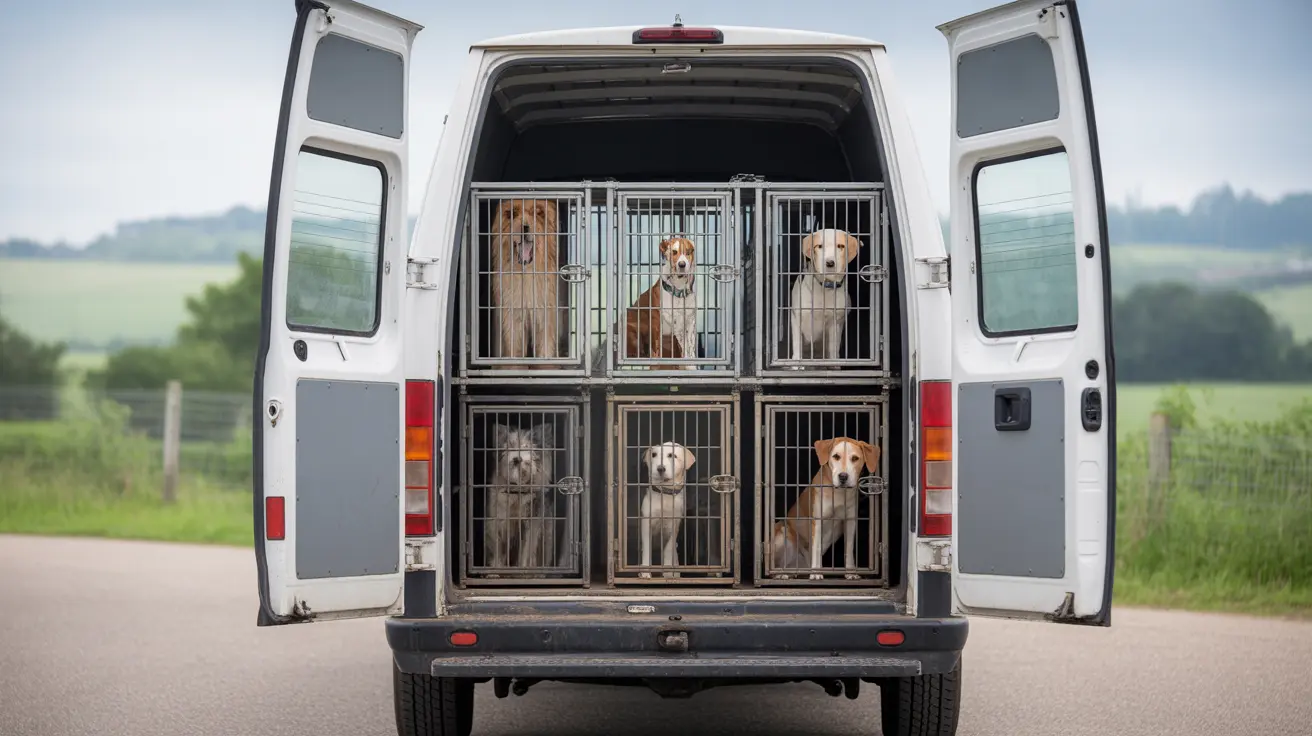
The San Diego Humane Society law enforcement team conducted the rescue operation in August, removing 34 animals from Gary Marks' flooded residence in San Ysidro. When authorities arrived at the scene, they discovered animals living in hazardous conditions that posed immediate threats to their health and safety.
Animal rescue operations of this magnitude require careful coordination between multiple agencies and trained professionals. The complexity of removing dozens of animals from unsafe conditions demonstrates the extensive resources needed to protect vulnerable pets when their owners fail to provide adequate care.
Animal Neglect Consequences and Legal Framework
The sentencing in this case reflects California's robust animal welfare laws, which are designed to protect pets from abuse and neglect. The 10-year animal ownership ban prevents Marks from acquiring any animals during this period, while the Fourth Amendment waiver allows authorities to conduct future inspections without a warrant if there are reasonable suspicions of animal welfare violations.
These legal tools are essential components of animal protection enforcement, providing law enforcement with the authority needed to prevent future incidents and ensure compliance with animal welfare standards. Pet owners who violate these laws face serious consequences that can include fines, imprisonment, and permanent restrictions on animal ownership.
Pet Owner Responsibilities in Emergency Situations
Natural disasters and flooding events present unique challenges for pet owners, but they do not excuse neglect or abandonment. Responsible pet ownership includes having emergency plans that account for all animals in the household, including evacuation procedures and temporary housing arrangements.
Pet parents should prepare emergency kits containing food, water, medications, and important documents for their animals. Additionally, identifying pet-friendly shelters or temporary housing options before emergencies occur can prevent situations where animals are left in dangerous conditions.
How to Report Animal Cruelty and Support Animal Welfare
Community members play a vital role in animal cruelty prevention by reporting suspected cases of abuse or neglect to appropriate authorities. Signs of animal neglect can include lack of adequate food, water, or shelter, untreated medical conditions, and animals left in dangerous environments.
Most jurisdictions have dedicated hotlines for reporting animal welfare concerns, and many humane law enforcement officers are specially trained to investigate these cases. Early intervention can often prevent situations from escalating to the severity seen in the San Ysidro case.
Animal welfare support services are available throughout California and across the country to help pet owners who may be struggling to provide adequate care for their animals. These resources can include low-cost veterinary services, pet food assistance programs, and temporary fostering during emergencies.
Frequently Asked Questions
What constitutes animal cruelty under California law?
California defines animal cruelty as the malicious or intentional maiming, mutilation, torture, wounding, or killing of a living animal. It also includes neglect cases where animals are deprived of necessary food, water, shelter, or veterinary care. Both active abuse and passive neglect can result in criminal charges.
How long can animal ownership bans last in animal cruelty cases?
Animal ownership bans can vary significantly based on the severity of the case and jurisdiction. In California, courts can impose bans ranging from several years to lifetime prohibitions. The 10-year ban in this case reflects the serious nature of the neglect involving 34 animals in dangerous conditions.
What should pet owners do if they cannot care for their animals?
Pet owners facing difficulties caring for their animals should contact local animal shelters, rescue organizations, or humane societies for assistance. Many organizations offer resources such as temporary fostering, rehoming services, and support programs rather than allowing animals to suffer from neglect.
Protecting Animals Through Community Action
The successful rescue of these 34 animals demonstrates the importance of vigilant community members and dedicated animal welfare professionals working together to protect vulnerable pets. This case serves as both a warning about the serious consequences of animal neglect and a reminder of our collective responsibility to ensure the safety and well-being of all animals in our communities.
Pet owners must understand that animal ownership comes with legal obligations that cannot be ignored, even during challenging circumstances. By staying informed about animal welfare laws and maintaining proper care standards, we can prevent similar tragedies and create safer environments for all pets.




