
H5N1 Bird Flu Fairs: Understanding the Original Restrictions
The exhibition ban was initially implemented in 2025 as a precautionary measure during widespread concerns about H5N1 avian influenza outbreaks affecting poultry populations across multiple states. California's Department of Food and Agriculture (CDFA) took decisive action to prevent potential disease transmission at large gatherings where birds and dairy cattle from various farms would congregate.
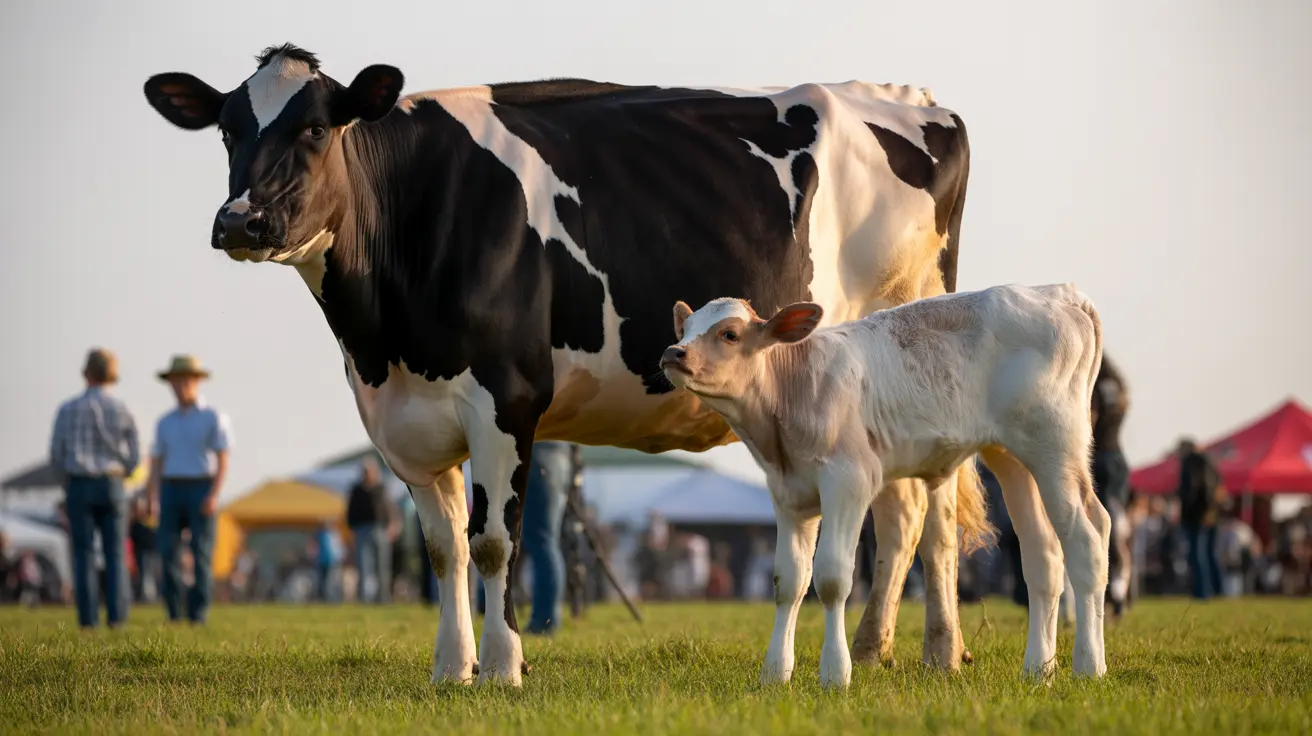
The H5N1 bird flu fairs restriction particularly impacted youth agricultural programs, as many young participants had spent months preparing animals for competition. The ban affected not only poultry shows but also dairy cattle exhibitions due to interconnected biosecurity concerns within agricultural settings.
Santa Cruz County Fair Livestock Returns with Enhanced Safety Measures
The Santa Cruz County Fair livestock program exemplifies how California venues are preparing for the 2026 season. Fair organizers have worked closely with state veterinarians to develop robust screening procedures that protect both animal and human health while preserving the educational value of these exhibitions.
Youth participants in 4-H poultry shows California programs will now need to follow stricter documentation requirements, including health certificates and vaccination records. These measures ensure that the beloved tradition of youth livestock auctions can continue safely, providing young people with valuable lessons in animal husbandry and responsibility.
County Fair Biosecurity Rules for 2026 Exhibitions
The new California fair livestock requirements establish comprehensive guidelines that all exhibitors must follow. These include mandatory health screenings for all animals prior to fair entry, enhanced sanitation protocols between exhibitions, and restricted movement patterns to minimize cross-contamination risks.
Fair venues like El Dorado County Fair animals programs and Merced County Fair poultry exhibitions must now implement designated quarantine areas and provide detailed health monitoring throughout event duration. These biosecurity measures represent the new standard for agricultural exhibitions statewide.
FFA Dairy Cattle Fairs Preparation Guidelines
For FFA dairy cattle fairs participants, additional requirements include specialized health documentation and pre-exhibition testing protocols. Young exhibitors must work closely with local veterinarians to ensure their animals meet all health standards before participating in competitions.
The 2026 California fair dates have been coordinated to allow adequate preparation time for these enhanced requirements, ensuring that participants can comply with new regulations without compromising the quality of their educational experience.
Impact on Youth Agricultural Education Programs
The return of livestock exhibitions represents more than just entertainment—these events serve as crucial learning laboratories where young people develop practical skills in animal care, veterinary science, and agricultural business practices. The temporary suspension highlighted how integral these programs are to rural education and career development.
Many families and agricultural educators view the Santa Cruz Fair 2026 exhibits as a symbol of resilience and adaptation within the farming community. The experience of navigating the ban and subsequent lifting has strengthened collaboration between state agencies, fair associations, and youth programs.
Frequently Asked Questions
When was the ban on poultry and dairy cattle exhibitions lifted at California county fairs?
California officials lifted the statewide ban on poultry and dairy cattle exhibitions at fairs and shows in preparation for the 2026 fair season. The decision followed extensive consultation with veterinary experts and fair associations to establish comprehensive safety protocols.
Why was the H5N1 bird flu ban imposed on California fairs in 2025, and what changed for 2026?
The ban was implemented in 2025 as a precautionary measure during widespread H5N1 avian influenza concerns affecting poultry populations. For 2026, enhanced biosecurity protocols, mandatory health screenings, and improved sanitation measures have been established to allow safe resumption of exhibitions while protecting animal and human health.
What biosecurity rules must exhibitors follow for poultry and dairy cattle at 2026 California fairs?
Exhibitors must provide health certificates and vaccination records, submit animals for pre-exhibition health screenings, follow enhanced sanitation protocols, and comply with restricted movement patterns during events. Fair venues must maintain designated quarantine areas and implement continuous health monitoring throughout exhibitions.
Looking Forward to a Safer Fair Season
The lifting of the exhibition ban represents a thoughtful balance between preserving agricultural traditions and protecting public health. As California county fairs prepare for the 2026 season, the enhanced safety measures will likely become the new standard for livestock exhibitions nationwide.
For families planning to attend events like the Santa Cruz County Fair, this development ensures that children can once again experience the educational magic of interacting with farm animals while learning about agriculture, responsibility, and the vital connection between rural communities and food production.




