
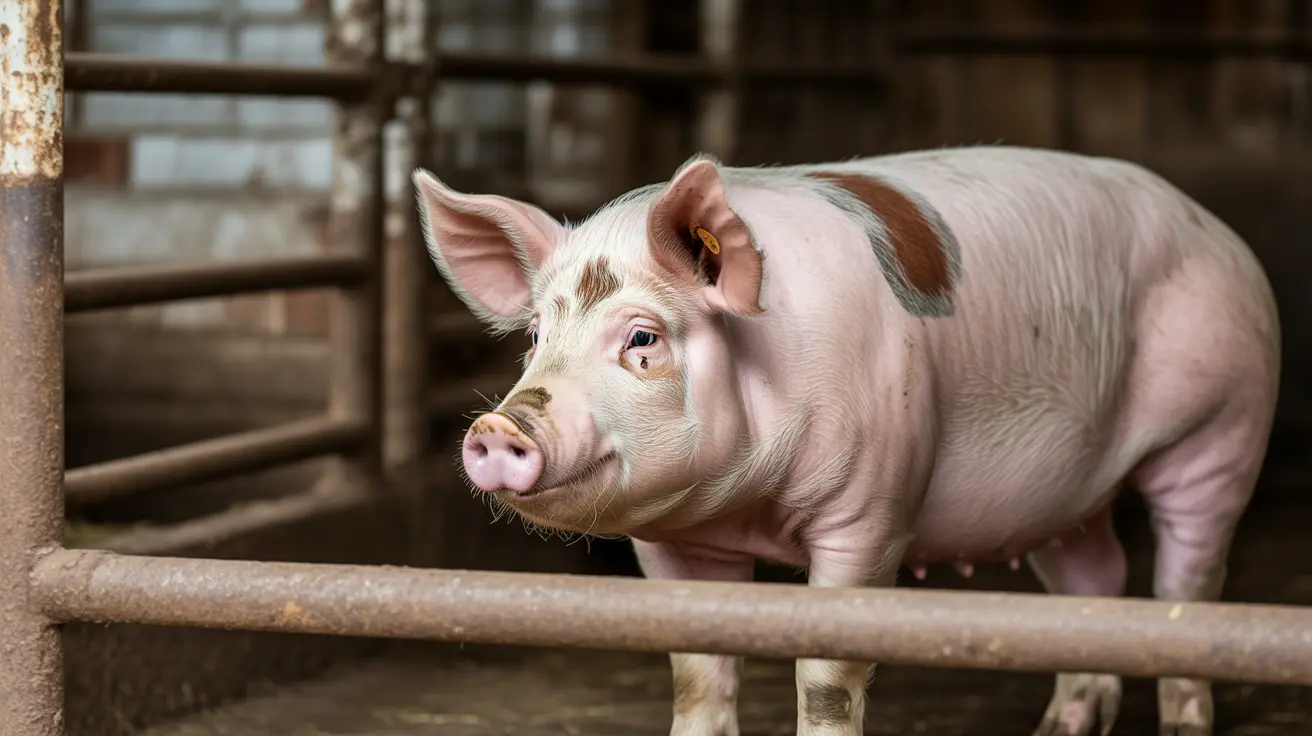
Two years after the full implementation of California Proposition 12, this groundbreaking legislation continues to reshape animal welfare standards in food production systems across the United States. As one of more than a dozen state statutes responding to citizens' growing demand for reduced animal cruelty, California Proposition 12 has established new benchmarks for how farm animals are housed and treated.
The landmark law represents a significant victory for animal welfare advocates and demonstrates how consumer consciousness can drive meaningful policy changes. For pet owners who care deeply about animal welfare, understanding these developments provides insight into the broader movement toward more humane treatment of all animals in our society.
Understanding Proposition 12 Animal Welfare Requirements
California Proposition 12 sets specific space requirements for farm animals, marking a decisive shift away from intensive confinement systems. The law requires breeding pigs to have at least 24 square feet of space, effectively eliminating the use of gestation crates that severely restricted movement. Similarly, the legislation mandates cage-free environments for egg-laying hens and establishes veal calves space requirements that allow for more natural behaviors.
These Proposition 12 compliance requirements apply not only to California farms but also to products sold within the state, creating a ripple effect across the entire industry. This approach ensures that California consumers have access to products that meet higher welfare standards, regardless of where they're produced.
Prop 12 Pork Ban and Industry Response
The implementation of California pork space standards has generated significant debate within the agricultural industry. The Prop 12 pork ban on products from confined systems has required producers nationwide to adapt their practices if they want to access California's massive consumer market. This transformation has involved substantial investments in new housing systems and infrastructure modifications.
While industry groups have raised concerns about increased production costs, animal welfare advocates argue that these changes represent overdue improvements in how farm animals are treated. The law's focus on humane pork California standards demonstrates the state's commitment to aligning food production practices with evolving ethical standards.
Legal Challenges and Supreme Court Ruling
The journey to full implementation wasn't without obstacles. Various Prop 12 legal challenges made their way through the court system, with industry groups arguing that the law imposed undue burdens on interstate commerce. However, the Proposition 12 Supreme Court ruling ultimately upheld California's right to establish these welfare standards for products sold within its borders.
This legal victory established important precedent for other states considering similar legislation, reinforcing the principle that states can regulate products sold within their jurisdictions based on how those products are produced.
Market Impact and Consumer Response
The implementation of Proposition 12 has had measurable effects on Prop 12 pork prices, with some increases observed as producers adapt to new requirements. However, consumer surveys indicate strong support for these changes, with many shoppers willing to pay modest premiums for products that meet higher welfare standards.
The law also requires Proposition 12 third-party audits to verify compliance, ensuring that welfare improvements are genuine and sustained. This oversight mechanism helps maintain consumer confidence in the standards while providing accountability for producers.
Broader Implications for Animal Welfare
Beyond specific housing requirements, California Proposition 12 represents a broader cultural shift toward recognizing farm animals as sentient beings deserving of basic welfare protections. For pet owners who understand the emotional and physical needs of their companion animals, this expansion of concern to farm animals feels like a natural progression.
The success of cage-free eggs California initiatives under Proposition 12 has inspired similar movements in other states, creating momentum for nationwide improvements in farm animal treatment. This demonstrates how targeted legislation can catalyze widespread industry transformation.
Frequently Asked Questions
What is California Proposition 12 and what animal products does it affect?
California Proposition 12 is a state law that establishes minimum space requirements for farm animals and bans the sale of products from animals kept in intensive confinement. It affects pork, eggs, and veal sold in California, requiring these products to come from animals housed in systems that allow for more natural movement and behaviors.
Does Proposition 12 apply to pork, eggs, and veal sold in California from out-of-state farms?
Yes, Proposition 12 applies to all pork, eggs, and veal sold in California, regardless of where they are produced. This means that out-of-state and even international producers must comply with California's animal welfare standards if they want to sell their products in the state.
How much space does Proposition 12 require for breeding pigs, veal calves, and egg-laying hens?
Proposition 12 requires breeding pigs to have at least 24 square feet of space, effectively eliminating gestation crates. The law mandates cage-free environments for egg-laying hens and establishes space requirements for veal calves that allow them to lie down, stand up, fully extend their limbs, and turn around freely.
Moving Forward: A New Standard for Animal Welfare
As California Proposition 12 continues to influence agricultural practices nationwide, it serves as a model for how consumer values can drive meaningful policy changes. The law demonstrates that practical improvements in animal welfare are achievable when there is sufficient public support and political will.
For animal lovers everywhere, the success of this legislation offers hope that society's growing awareness of animal welfare will continue to translate into concrete protections for all animals, whether they're beloved pets or farm animals in our food system.




