
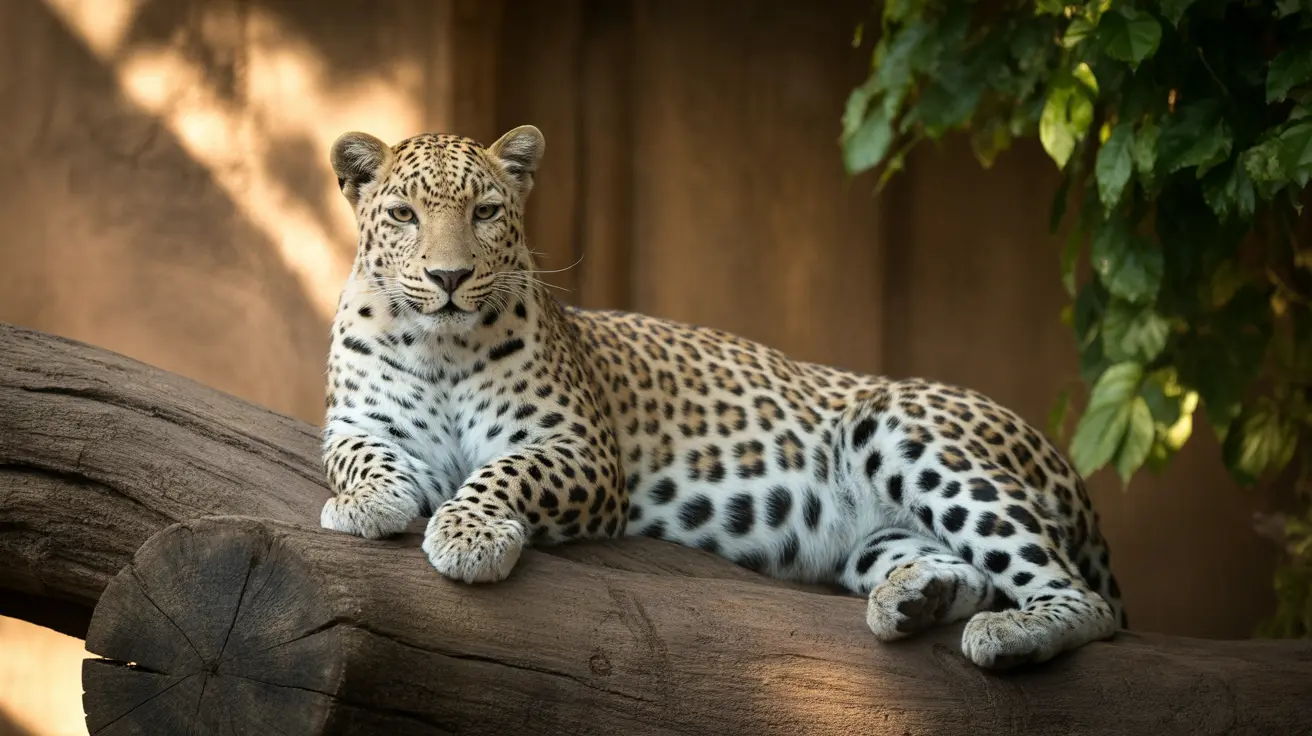
A Ventura County animal sanctuary has agreed to pay more than $50,000 in penalties after authorities discovered the facility was housing 15 restricted species without proper permits. The Born to Be Free animal sanctuary in Frazier Park was found to be caring for lions, leopards, warthogs, and a bear, all of which require special licensing under California law.
This case highlights the critical importance of understanding California Restricted Species Permit requirements for anyone considering operating an animal sanctuary or caring for exotic animals. The incident serves as a reminder that even well-intentioned animal care facilities must navigate complex regulatory frameworks to legally house certain species.
California Department of Fish and Wildlife Regulations
The California Department of Fish and Wildlife maintains strict oversight of facilities housing restricted species to ensure both animal welfare and public safety. These regulations exist to protect native wildlife populations, prevent the spread of diseases, and maintain proper care standards for exotic animals that require specialized knowledge and resources.
Under California law, specific animals are classified as restricted species, meaning they cannot be possessed, imported, or transported without proper authorization. This classification typically includes large predators, certain primates, venomous reptiles, and other animals that pose potential risks or have specific conservation concerns.
Animal Sanctuary Permit Application Process
Obtaining the necessary permits to operate a legitimate animal sanctuary involves a comprehensive application process. Prospective sanctuary operators must demonstrate their ability to provide appropriate care, maintain secure facilities, and comply with ongoing regulatory requirements.
The permit application typically requires detailed facility plans, staff qualifications, veterinary care arrangements, and financial documentation proving the applicant can sustain proper animal care. Applicants must also show they have adequate insurance coverage and emergency response protocols in place.
Big Cat Sanctuary Legal Requirements
For facilities housing large cats like lions and leopards, additional safety and care standards apply. These requirements include specific enclosure dimensions, double-barrier systems, and protocols for staff safety during feeding and cleaning operations. The facilities must also demonstrate they have qualified veterinary care available and appropriate enrichment programs for the animals' psychological well-being.
Licensed Animal Sanctuary Requirements
Once licensed, animal sanctuaries must maintain ongoing compliance with facility standards and reporting requirements. Regular inspections ensure that sanctuaries continue to meet safety standards and provide appropriate care for their animals. Facilities must keep detailed records of animal health, feeding protocols, and any incidents that occur on the premises.
Licensed sanctuaries also have responsibilities regarding animal acquisitions and transfers. They cannot simply accept any animal that needs care—all acquisitions must be properly documented and approved through appropriate channels.
Wildlife Facility Compliance Standards
Compliance extends beyond just having the right permits. Sanctuaries must maintain their facilities according to specific standards that address enclosure construction, waste management, water quality, and veterinary care protocols. Staff must receive appropriate training in animal handling and safety procedures.
The penalties imposed on the Born to Be Free sanctuary demonstrate that California authorities take these compliance requirements seriously. The $50,000+ fine reflects the state's commitment to enforcing wildlife protection laws and ensuring that only properly licensed facilities care for restricted species.
Illegal Exotic Animal Possession Penalties
The consequences for housing restricted species without proper permits can be severe, including substantial fines, criminal charges, and the seizure of animals. In this case, authorities removed 15 animals from the facility, which likely required significant resources for proper relocation and care.
These penalties exist not only to punish violations but also to protect the animals involved. Improperly licensed facilities may lack the resources, expertise, or infrastructure necessary to provide adequate care for exotic species with complex needs.
Frequently Asked Questions
Do I need a permit to operate an animal sanctuary in California?
Yes, operating an animal sanctuary in California requires various permits and licenses, especially if you plan to house restricted species. You must obtain proper permits from the California Department of Fish and Wildlife before acquiring any restricted animals, and comply with ongoing facility and care standards.
What is a California Restricted Species Permit and why are permits non-transferable?
A California Restricted Species Permit authorizes specific individuals or facilities to possess designated exotic animals. Permits are non-transferable because they are issued based on the specific qualifications, facilities, and circumstances of the applicant. This ensures that only qualified parties care for these animals and prevents unauthorized transfers that could compromise animal welfare or public safety.
What are the penalties for housing exotic animals without proper permits?
Penalties can include substantial fines (as demonstrated by the $50,000+ penalty in this case), criminal charges, and seizure of the animals. Violators may also face civil penalties and be prohibited from obtaining permits in the future. The severity of penalties typically reflects the number of animals involved and the degree of non-compliance.
This case serves as an important reminder that passion for animal welfare must be coupled with proper legal compliance. Aspiring sanctuary operators should work with wildlife authorities early in their planning process to ensure they understand and can meet all regulatory requirements before acquiring any restricted species.




