
Understanding California's Restricted Species Regulations
California maintains one of the most comprehensive restricted species lists in the United States, designed to protect both public safety and native wildlife populations. The state's exotic animal sanctuary regulations require facilities housing big cats, primates, and other dangerous wildlife to obtain specific permits and meet stringent operational standards.
Under current California exotic animal laws, any facility housing restricted species must demonstrate adequate facilities, proper veterinary care arrangements, and comprehensive safety protocols. The permitting process involves detailed inspections and ongoing compliance monitoring to ensure animal welfare and public safety standards are maintained.
Big Cat Ownership Regulations and Permit Requirements
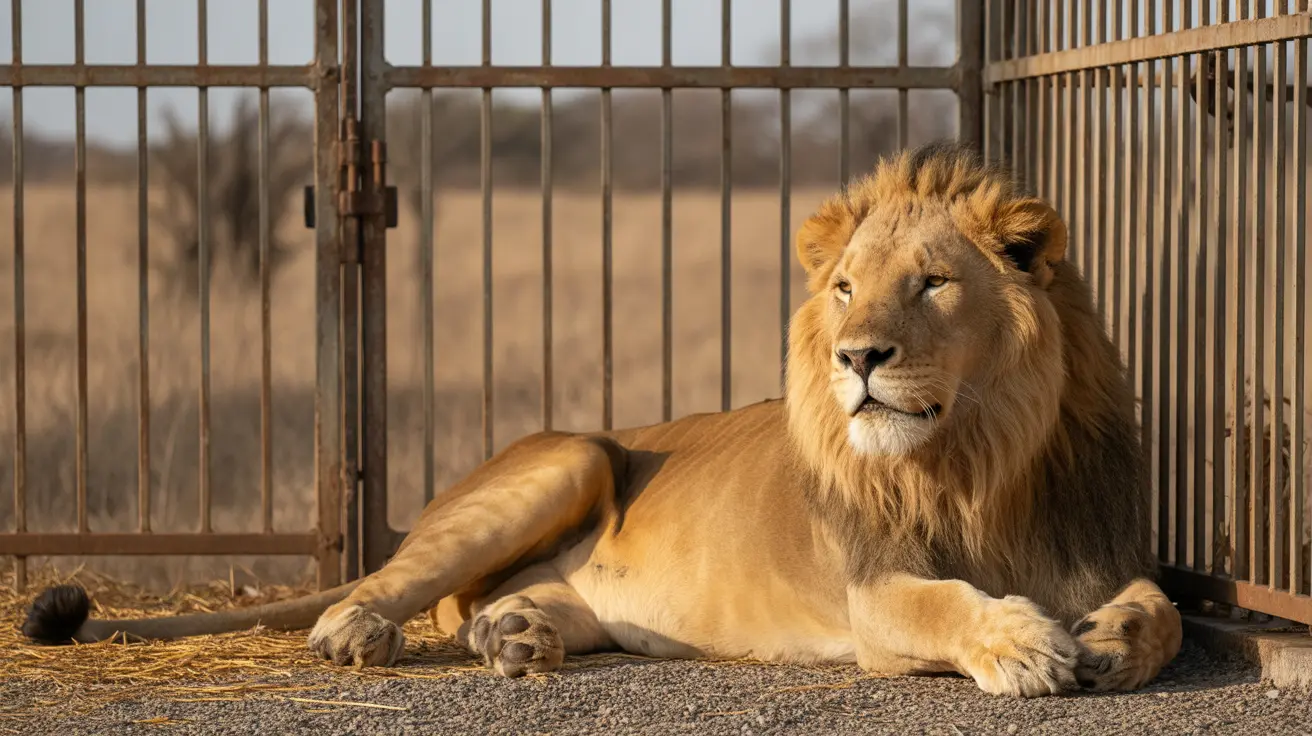
The regulations surrounding big cat ownership are particularly strict in California. Lions, leopards, tigers, and other large felines are classified as restricted species, requiring specialized permits that are difficult and expensive to obtain. These wildlife rehabilitation permits come with extensive requirements including:
- Proper enclosure specifications with adequate space, security features, and environmental enrichment opportunities for the animals. Facilities must demonstrate they can provide species-appropriate housing that meets or exceeds industry standards for animal welfare.
- Comprehensive veterinary care plans with qualified exotic animal veterinarians on staff or on contract. Regular health monitoring and emergency medical protocols must be established and documented.
- Detailed safety protocols including staff training, emergency response procedures, and public safety measures. Facilities must prove they can safely contain dangerous animals and respond appropriately to any incidents.
Animal Sanctuary Compliance Standards and Legal Requirements
Accredited animal sanctuaries must navigate a complex regulatory landscape that includes both state and federal oversight. The animal care licensing California system requires multiple permits and ongoing compliance with evolving standards.
Legitimate sanctuaries typically work closely with regulatory agencies to ensure full compliance with all applicable laws. This includes maintaining detailed records of animal acquisitions, veterinary care, and facility operations. Many accredited facilities voluntarily exceed minimum requirements to demonstrate their commitment to animal welfare.
Consequences of Non-Compliance
The $50,000 penalty imposed on the Ventura County facility illustrates the serious consequences of operating without proper permits. Illegal exotic animal possession penalties can include substantial fines, criminal charges, and the confiscation of animals. These enforcement actions serve to protect both the animals and the public from potentially dangerous situations.
For facilities found in violation, the path to compliance often involves extensive legal proceedings, costly facility upgrades, and lengthy permit application processes. The financial and operational burden can be overwhelming for smaller organizations.
How to Legally Own Exotic Animals in California
For individuals interested in exotic animal ownership, understanding the legal requirements is essential. The process for obtaining permits is intentionally rigorous, reflecting the serious responsibilities involved in caring for dangerous wildlife.
Most exotic animals require specialized care that goes far beyond traditional pet ownership. Prospective owners must demonstrate extensive knowledge, appropriate facilities, and substantial financial resources before permits are granted. Many experts recommend supporting accredited sanctuaries rather than attempting private ownership.
Frequently Asked Questions
What animals require restricted species permits in California?
California's restricted species list includes big cats (lions, tigers, leopards), primates, venomous snakes, crocodilians, and many other potentially dangerous wildlife species. The complete list is maintained by the California Department of Fish and Wildlife and is regularly updated.
How much do exotic animal facility permits cost?
Permit costs vary depending on the type and number of animals, facility size, and specific requirements. Initial permit fees, facility inspections, and ongoing compliance costs can total tens of thousands of dollars annually for larger operations.
Can private individuals legally own big cats in California?
Private ownership of big cats is extremely restricted in California. Permits are primarily issued to accredited zoos, research facilities, and legitimate sanctuaries that meet strict criteria. Private individuals rarely qualify for these permits due to safety, welfare, and public interest considerations.
Conclusion
The Ventura County sanctuary case serves as an important reminder of the complex legal landscape surrounding exotic animal ownership and sanctuary operations in California. While these regulations may seem burdensome, they exist to protect both animals and the public from potential harm.
For animal lovers considering supporting wildlife facilities, choosing accredited sanctuaries with proper permits ensures your contributions support legitimate conservation and animal welfare efforts. Understanding these regulations helps create a safer, more responsible approach to exotic animal care across California.




