
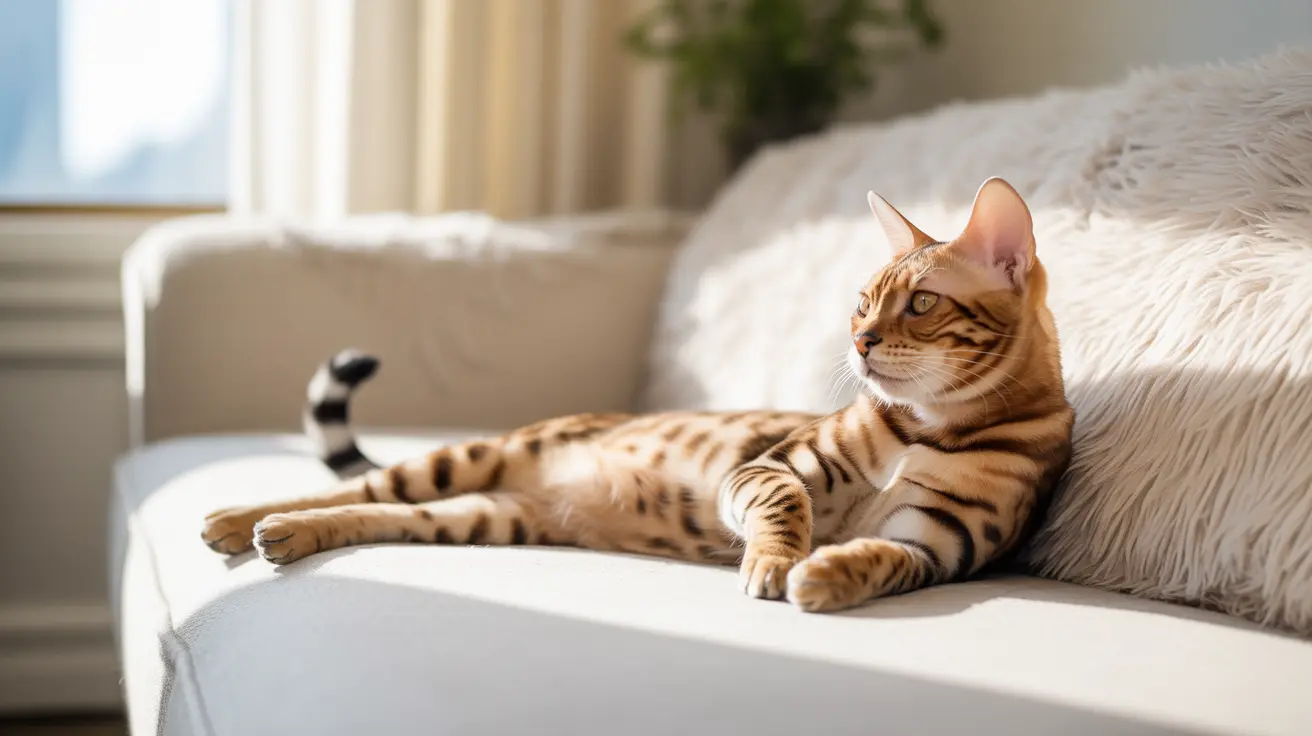
By examining both behavioral and medical factors, pet owners can better interpret their cat’s body language and respond appropriately. Whether the twitching occurs during sleep, play, or rest, knowing what’s normal and what’s not can make a significant difference in early detection of potential health problems. Let’s begin by looking at the most common causes of twitching in cats and what each might indicate.
Common Causes of Twitching in Cats
Twitching in cats can arise from a wide range of causes, from simple muscle contractions to more complex neurological or dermatological conditions. One of the most frequent explanations is benign muscle movement during sleep. Cats, like humans, experience rapid eye movement (REM) sleep, during which their muscles may twitch as they dream. This type of twitching is completely normal and usually nothing to worry about.
However, twitching can also occur when a cat is awake. In these cases, it may be a response to external stimuli such as an itch, a bug bite, or irritation from fleas. Skin allergies, dry skin, or reactions to grooming products can also trigger involuntary movements. If the twitching is localized to one area—such as the back or tail—it may indicate a dermatological issue rather than a neurological one.
Environmental stressors can also play a role. Cats are highly sensitive animals, and sudden noises, changes in routine, or new pets in the home can cause anxiety-related twitching. In some cases, this may appear as tail flicking or rippling skin along the back, often accompanied by restlessness or vocalization. Recognizing these patterns helps differentiate between harmless twitching and signs of stress or discomfort.
Medical Conditions Linked to Twitching
While occasional twitching is often benign, persistent or severe twitching can be a symptom of an underlying medical condition. One of the most notable disorders associated with this behavior is Feline Hyperesthesia Syndrome (FHS). This neurological condition causes extreme sensitivity along the cat’s back, leading to rippling skin, sudden grooming, or biting at the affected area. Cats with FHS may appear agitated or even aggressive when touched, and episodes can last from a few seconds to several minutes.
Other potential medical causes include seizures, nerve damage, or metabolic imbalances. Seizures in cats can manifest as rhythmic twitching, drooling, or temporary disorientation. In older cats, twitching may also be linked to pain from arthritis or spinal issues. Additionally, certain toxins or medications can cause muscle tremors as side effects, making it important to review any recent changes in diet or treatment with a veterinarian.
Because these conditions vary widely in severity, professional evaluation is crucial. A veterinarian may perform blood tests, neurological exams, or imaging studies to determine the root cause. Early diagnosis not only improves treatment outcomes but also prevents unnecessary distress for both cat and owner. Understanding the medical context behind twitching ensures that care decisions are based on accurate information rather than guesswork.
Behavioral and Environmental Factors
Not all twitching stems from illness; sometimes, it reflects a cat’s emotional or sensory state. Cats are naturally alert creatures, and small muscle movements can occur when they are excited, focused, or overstimulated. For example, a cat watching birds through a window may twitch its tail or whiskers as part of its hunting instinct. Similarly, during play, twitching can accompany bursts of energy or anticipation.
However, overstimulation can also lead to twitching that signals discomfort. When a cat receives too much petting or attention, it may begin to flick its tail or twitch its back as a warning sign. Ignoring these cues can escalate into biting or scratching. Understanding these subtle signals helps owners respect their cat’s boundaries and maintain positive interactions.
Environmental enrichment plays a major role in reducing stress-related twitching. Providing scratching posts, climbing spaces, and interactive toys can help channel a cat’s energy productively. Maintaining a consistent routine and minimizing sudden changes in the household environment also supports emotional stability. In multi-cat homes, ensuring each cat has its own space can prevent territorial tension that might manifest as twitching or agitation.
When to Seek Veterinary Help
Determining when twitching requires professional attention can be challenging. Occasional, mild twitching—especially during sleep—is usually harmless. However, if the twitching becomes frequent, intense, or is accompanied by other symptoms, it’s time to consult a veterinarian. Warning signs include excessive grooming, vocalization, loss of balance, or sudden aggression. These may indicate pain, neurological issues, or systemic illness.
During a veterinary visit, the doctor will likely ask about the frequency, duration, and context of the twitching episodes. Providing video recordings can be extremely helpful for diagnosis. Depending on the findings, treatment may involve medication, dietary adjustments, or environmental modifications. For conditions like Feline Hyperesthesia Syndrome, a combination of stress management, anti-anxiety medication, and behavioral therapy may be recommended.
Owners can also take preventive measures at home. Regular flea control, balanced nutrition, and routine checkups help minimize the risk of twitching caused by external irritants or nutritional deficiencies. By staying observant and proactive, cat owners can ensure their pets remain comfortable and healthy even when occasional twitching occurs.
Practical Tips for Managing Twitching at Home
Once medical issues have been ruled out or treated, managing twitching at home focuses on comfort and prevention. Creating a calm environment is key. Cats thrive in predictable surroundings, so maintaining consistent feeding times and quiet resting areas can reduce anxiety-related twitching. Gentle grooming with soft brushes can also soothe irritated skin and strengthen the bond between cat and owner.
Dietary support may further help. Omega-3 fatty acids, found in fish oil supplements, can improve skin health and reduce inflammation. Ensuring adequate hydration and providing high-quality protein sources support muscle and nerve function. If your cat’s twitching is linked to allergies, switching to hypoallergenic food or using air purifiers may alleviate symptoms.
- Keep your cat’s environment calm and consistent to minimize stress-induced twitching.
- Use flea prevention treatments regularly to avoid skin irritation.
- Incorporate interactive play sessions to release energy safely.
- Monitor for changes in behavior or appetite that might signal underlying issues.
- Consult your veterinarian before introducing supplements or new diets.
By combining attentive care with professional guidance, most cases of twitching can be managed effectively. The goal is not only to stop the twitching but also to ensure your cat’s overall comfort and emotional balance. With patience and observation, owners can often identify triggers and create a supportive environment that promotes long-term well-being.
Understanding and Supporting Your Cat
Twitching in cats can range from a harmless quirk to a sign of deeper health concerns. Recognizing the difference requires careful observation and an understanding of feline behavior. While occasional twitching during sleep or play is normal, persistent or distressing movements should never be ignored. Veterinary evaluation provides clarity and ensures that any underlying conditions are addressed promptly.
Ultimately, the best approach combines medical insight with compassionate care. By maintaining a stable environment, providing proper nutrition, and responding to behavioral cues, cat owners can help their pets live comfortably and confidently. Twitching may be a small movement, but it can reveal much about a cat’s physical and emotional state—making awareness the first step toward better feline health.
FAQ
Why does my cat twitch while sleeping?
When cats enter the REM stage of sleep, their brains become highly active, often triggering small muscle contractions. These twitches are part of normal dreaming behavior and usually involve the paws, whiskers, or tail. Unless the twitching is violent or accompanied by distress sounds, it’s typically harmless. However, if your cat appears disoriented or unsteady upon waking, consult a veterinarian to rule out neurological issues. Observing your cat’s sleep patterns can help you distinguish between normal dream activity and potential health concerns.
Can twitching be a sign of pain in cats?
Yes, twitching can sometimes indicate discomfort or pain, especially if it occurs when the cat is touched or moves in a certain way. Pain-related twitching often accompanies other signs such as hiding, reduced appetite, or vocalization. Conditions like arthritis, muscle strain, or skin irritation can trigger these reactions. If your cat’s twitching seems localized or occurs alongside behavioral changes, a veterinary examination is essential. Identifying the source of pain early allows for effective treatment and prevents further distress.
What is Feline Hyperesthesia Syndrome?
Feline Hyperesthesia Syndrome (FHS) is a neurological condition that causes extreme sensitivity along a cat’s back and tail. Cats with FHS may exhibit rippling skin, sudden grooming, or biting at the affected area. Episodes can be triggered by stress, touch, or even spontaneous nerve activity. While the exact cause is not fully understood, treatment often involves stress reduction, medication, and environmental adjustments. Because symptoms can mimic other disorders, a thorough veterinary evaluation is necessary to confirm the diagnosis and develop an appropriate care plan.
How can I tell if my cat’s twitching is stress-related?
Stress-related twitching often occurs alongside other behavioral signs such as hiding, overgrooming, or changes in appetite. The twitching may appear when the cat is exposed to loud noises, new pets, or unfamiliar environments. Unlike medical twitching, stress-induced movements usually subside once the cat feels secure again. Providing quiet spaces, maintaining routines, and using pheromone diffusers can help reduce anxiety. If stress behaviors persist, consulting a veterinarian or feline behaviorist can help identify triggers and develop coping strategies.
Should I record my cat’s twitching episodes for the vet?
Yes, recording your cat’s twitching episodes can be extremely helpful for diagnosis. Many conditions present intermittently, and a short video allows the veterinarian to observe the behavior directly. Include details such as the time of day, duration, and any associated triggers. This information helps the vet determine whether the twitching is neurological, dermatological, or behavioral in nature. Accurate documentation can significantly speed up the diagnostic process and ensure your cat receives the most effective treatment.
Can diet influence twitching in cats?
Diet can play a role in both preventing and managing twitching. Nutritional deficiencies, particularly in essential fatty acids, can lead to dry skin and muscle irritability. Providing a balanced diet rich in omega-3 fatty acids supports skin health and nerve function. Cats with food allergies may also twitch or scratch excessively due to irritation. Switching to a hypoallergenic or limited-ingredient diet under veterinary supervision can help identify and eliminate dietary triggers. Always introduce new foods gradually to avoid digestive upset.
Is twitching more common in certain cat breeds?
While twitching can occur in any breed, some cats appear more prone to conditions like Feline Hyperesthesia Syndrome. Breeds such as Siamese, Burmese, and Abyssinian have been reported to show higher susceptibility, possibly due to genetic or neurological factors. However, environmental stress and individual temperament often play a larger role than breed alone. Regardless of breed, maintaining a calm environment and providing mental stimulation can help minimize twitching episodes. Regular veterinary checkups remain the best way to monitor breed-specific health tendencies.
Can twitching be prevented?
Complete prevention may not be possible, but the frequency and severity of twitching can often be reduced. Preventive measures include maintaining a stable environment, ensuring proper nutrition, and keeping up with flea control. Regular playtime and mental stimulation help manage stress, while routine veterinary visits catch emerging health issues early. By addressing both physical and emotional needs, owners can significantly lower the likelihood of twitching becoming a chronic problem. Prevention is ultimately about balance—meeting your cat’s needs before discomfort arises.
When should I worry about my cat’s twitching?
You should be concerned if twitching becomes frequent, intense, or is accompanied by other symptoms such as aggression, excessive grooming, or loss of coordination. These signs may indicate neurological disorders, pain, or systemic illness. If the twitching interferes with your cat’s daily activities or causes visible distress, schedule a veterinary appointment promptly. Early intervention can prevent complications and improve your cat’s quality of life. Trust your instincts—if something feels off, it’s always safer to seek professional advice.
What treatments are available for chronic twitching?
Treatment depends on the underlying cause. For medical conditions like FHS or seizures, veterinarians may prescribe anti-anxiety or anticonvulsant medications. If allergies or skin irritation are involved, topical treatments and dietary changes can help. Behavioral therapy and environmental enrichment are often recommended to reduce stress-related twitching. In many cases, a combination of approaches yields the best results. Continuous monitoring and follow-up visits ensure that the treatment plan remains effective and tailored to your cat’s evolving needs.




