
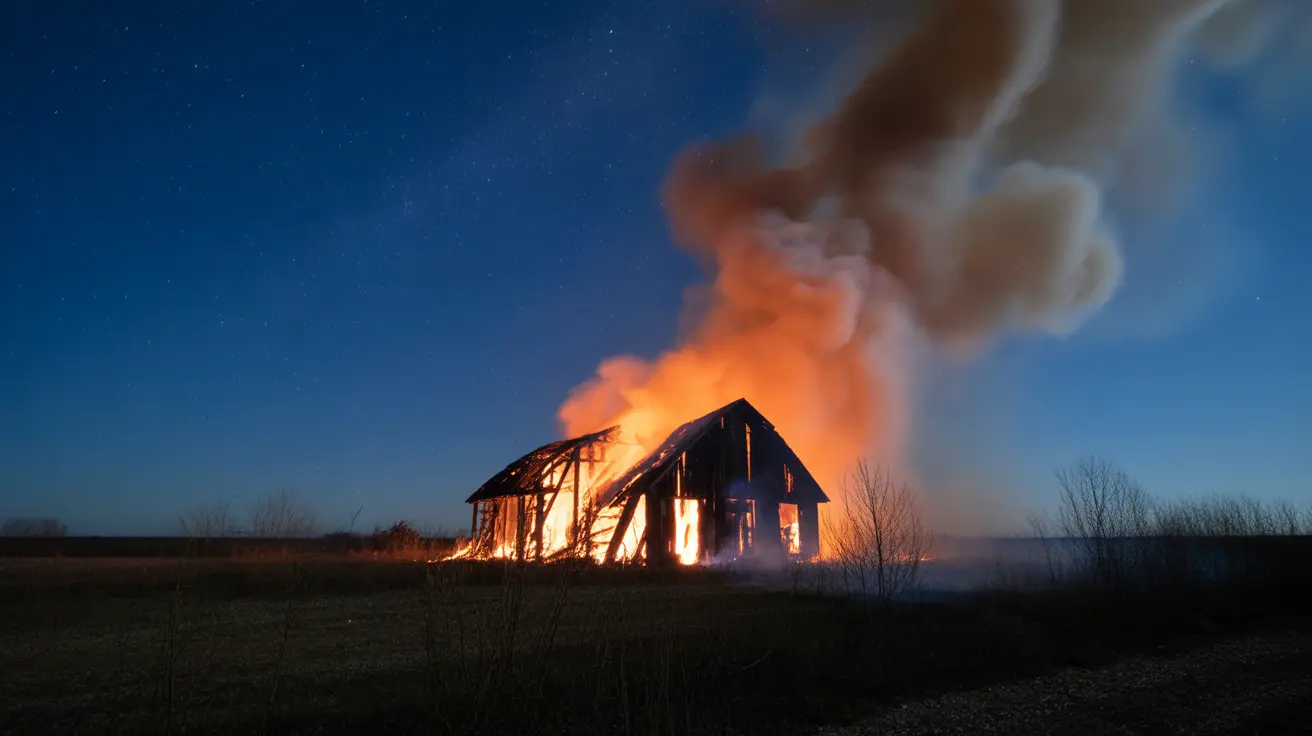
A tragic barn fire in Ira, New York has resulted in the deaths of more than 70 farm animals, highlighting the devastating impact that agricultural fires can have on livestock and farming communities. The Cayuga County barn fire serves as a stark reminder of the fire risks that constantly threaten rural properties and the animals that depend on farmers for protection and care.
According to reports, no people were injured in the blaze, but the loss of over 70 animals represents a significant tragedy for the farming operation and underscores the unique challenges that emergency responders face when dealing with rural fire emergencies. The incident has drawn attention to the critical importance of farm fire prevention measures and proper safety protocols for protecting livestock in agricultural settings.
Understanding Barn Fire Risks and Causes
Barn fires pose one of the most serious threats to agricultural operations, with the potential to cause catastrophic damage within minutes. The Ira New York farm fire joins countless other incidents across the country where livestock have perished due to structural fires on farming properties.
Agricultural buildings face unique fire risks due to their contents and construction. Barns typically house combustible materials like hay, straw, and feed, while also containing electrical systems that power ventilation, lighting, and milking equipment. The combination of these factors creates an environment where fires can ignite quickly and spread rapidly.
Hay Spontaneous Combustion: A Hidden Danger
One of the leading causes of barn fires involves hay spontaneous combustion, a natural process that occurs when hay is stored with excessive moisture content. When hay bales retain too much moisture, bacterial activity generates heat that can eventually reach ignition temperatures. This process can take weeks or months to develop, making it particularly dangerous because farmers may not realize the risk until it's too late.
Preventing hay autoignition requires careful attention to moisture levels during harvesting and storage. Hay should be properly cured and dried to below 20% moisture content before baling, and farmers should regularly monitor stored hay for unusual warmth or musty odors that could indicate dangerous heating.
Rural Fire Response Challenges
The Cayuga County barn fire also highlights the significant challenges that emergency responders face when dealing with agricultural fires. Rural properties are often located far from fire stations, resulting in longer response times that can allow fires to grow substantially before help arrives. Additionally, many rural areas have limited water supplies for firefighting, making it difficult to combat large structural fires effectively.
Farm buildings are typically constructed with materials that burn readily, and the open design of many barns allows fires to spread quickly throughout the structure. When livestock are housed in these buildings, the narrow windows of opportunity for evacuation make rescue efforts extremely challenging, even when responders arrive promptly.
Agricultural Fire Safety and Prevention
Implementing comprehensive farm fire prevention measures is essential for protecting both livestock and property. Regular maintenance of electrical systems, proper storage of combustible materials, and installation of fire detection systems can significantly reduce fire risks on agricultural properties.
Farmers should develop and practice emergency evacuation plans for their animals, including identifying multiple exit routes and ensuring that gates and doors can be opened quickly during emergencies. Installing automatic watering systems that continue operating during power outages can also help protect animals if evacuation isn't possible.
Post-Barn Fire Animal Care Considerations
When barn fires occur, surviving animals often require immediate veterinary attention for smoke inhalation, burns, or stress-related conditions. Farmers must also address the immediate needs of displaced livestock, including temporary shelter, feed, and water supplies.
The psychological impact on both animals and farm families can be significant, requiring long-term support and recovery planning. Many agricultural communities rally together to support affected farmers through livestock donations, volunteer labor, and financial assistance.
Frequently Asked Questions
- What caused the barn fire in Cayuga County that killed over 70 farm animals?
While the specific cause of the Cayuga County barn fire has not been detailed in available reports, barn fires commonly result from electrical malfunctions, hay spontaneous combustion, equipment overheating, or human error. Fire investigations typically examine all potential ignition sources to determine the exact cause.
- How can farmers prevent barn fires from killing livestock like cows and goats?
Farmers can protect livestock through regular electrical system maintenance, proper hay storage practices, installation of smoke detection systems, and development of animal evacuation plans. Ensuring multiple exit routes and practicing emergency procedures with farm staff are also crucial prevention measures.
- What challenges did firefighters face during the Ira, New York barn fire response?
Rural fire response challenges typically include extended response times due to distance from fire stations, limited water supplies for firefighting operations, and the rapid spread of fires through agricultural buildings containing combustible materials like hay and straw.
- Why do hay bales spontaneously combust and start barn fires on farms?
Hay spontaneous combustion occurs when hay is baled and stored with excessive moisture content. Bacterial activity in moist hay generates heat that can accumulate over time, eventually reaching temperatures high enough to cause ignition without any external heat source.
- What should farmers do after a barn fire to care for surviving animals?
After a barn fire, farmers should immediately provide veterinary care for animals showing signs of smoke inhalation or burns, establish temporary shelter and feeding arrangements, and assess the emotional wellbeing of both animals and farm personnel. Developing recovery plans with agricultural extension services and veterinarians is essential for long-term animal welfare.
This tragic incident serves as a sobering reminder that farm fire safety requires constant vigilance and proper preparation to protect the animals that depend on us for their care and safety.




