
Cold-Weather Animal Adaptations at Work
The recent snowfall at the Cincinnati Zoo provided an excellent opportunity to observe various cold-weather animal adaptations in action. Red pandas, native to the Himalayas, are naturally equipped for snowy conditions with their thick, insulating fur and bushy tails that serve as built-in blankets. These charming creatures likely found the snow particularly enjoyable, as it closely mimics their natural mountain habitat.
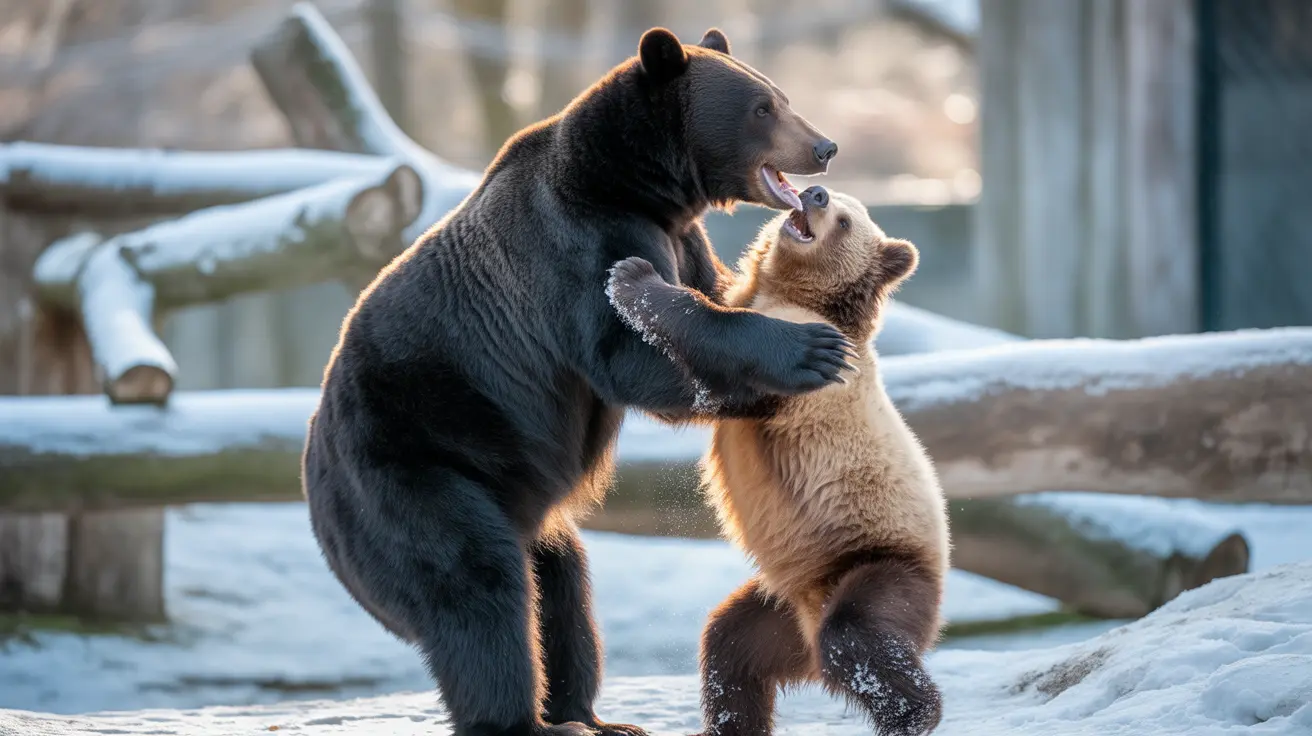
Similarly, bears demonstrated their natural winter preparedness. Despite common misconceptions about hibernation in captivity, bears maintain their instinctual responses to seasonal changes. Their thick coats and subcutaneous fat layers provide excellent insulation against cold temperatures, making snow exploration both comfortable and enriching for these powerful mammals.
Zoo Winter Enrichment Activities and Animal Care
Winter weather provides unique zoo winter enrichment activities that benefit animals' physical and mental well-being. Snow offers new textures, scents, and temperatures that stimulate natural behaviors and curiosity. For otters, snow creates opportunities for playful sliding and exploration, while cheetahs may investigate the unfamiliar white landscape with their characteristic grace and caution.
Professional animal care in winter zoos involves carefully monitoring each species' response to weather conditions. Zookeepers maintain detailed protocols for outdoor access, ensuring animals can enjoy beneficial winter experiences while remaining safe and comfortable. This includes providing heated animal exhibits for species that require additional warmth while allowing cold-adapted animals to fully embrace the season.
Winter Animal Survival Strategies in Captivity
Observing zoo animals during winter offers valuable insights into winter animal survival strategies that have evolved over thousands of years. Many species develop thicker winter coats, alter their activity patterns, or adjust their feeding behaviors in response to seasonal changes. Even in the controlled environment of a zoo, these natural adaptations remain strong.
For instance, animals like Mexican wolves develop denser winter fur that provides superior insulation. Arctic species such as polar bears actually prefer colder temperatures and may become more active during winter months. These natural behaviors remind us that proper winter care for our pets should respect their individual needs and natural tendencies.
Supporting Animal Welfare During Winter Months
The joyful scenes of animals enjoying their first snowfall underscore the importance of species-appropriate care during winter. Professional zoos like Cincinnati's maintain sophisticated systems to ensure optimal conditions for both tropical and cold-weather species. This includes climate-controlled indoor areas, heated substrates, and carefully planned outdoor access schedules.
Pet owners can learn from these professional practices by providing appropriate shelter, monitoring their animals' comfort levels, and adjusting care routines based on individual needs and natural behaviors. Just as zoo animals benefit from supervised winter enrichment, our pets can enjoy safe seasonal activities that honor their instincts while ensuring their health and safety.
Frequently Asked Questions
How does the Cincinnati Zoo ensure the comfort and safety of cold-weather animals like red pandas during winter?
The Cincinnati Zoo maintains species-specific protocols that allow naturally cold-adapted animals like red pandas to access outdoor habitats during winter while providing heated indoor areas for comfort. Staff monitor animal behavior and health indicators to ensure optimal welfare throughout the season.
What adaptations help animals such as polar bears survive and thrive in snowy conditions?
Animals adapted to cold climates possess multiple survival mechanisms including dense, insulating fur coats, subcutaneous fat layers for warmth, and behavioral adaptations like increased activity in cold weather. These natural features allow them to not only survive but often prefer winter conditions.
How do zookeepers decide when to let animals outside during winter weather?
Zoo animal outdoor access protocols consider multiple factors including species origin, individual animal health, current weather conditions, and natural habitat requirements. Staff use temperature thresholds, wind chill factors, and species-specific guidelines to make safe decisions about outdoor access.
Conclusion
The delightful scenes of Cincinnati Zoo winter animals enjoying their first major snowfall remind us of nature's incredible adaptability and resilience. From red pandas reveling in conditions that mirror their mountain homes to bears demonstrating their natural cold-weather capabilities, these observations provide valuable insights into animal welfare and natural behavior.
As pet owners, we can draw inspiration from these professional care standards and natural adaptations to better support our own animals during winter months. By understanding and respecting the seasonal needs of different species, we create environments where animals can thrive year-round while expressing their natural behaviors safely and comfortably.




