
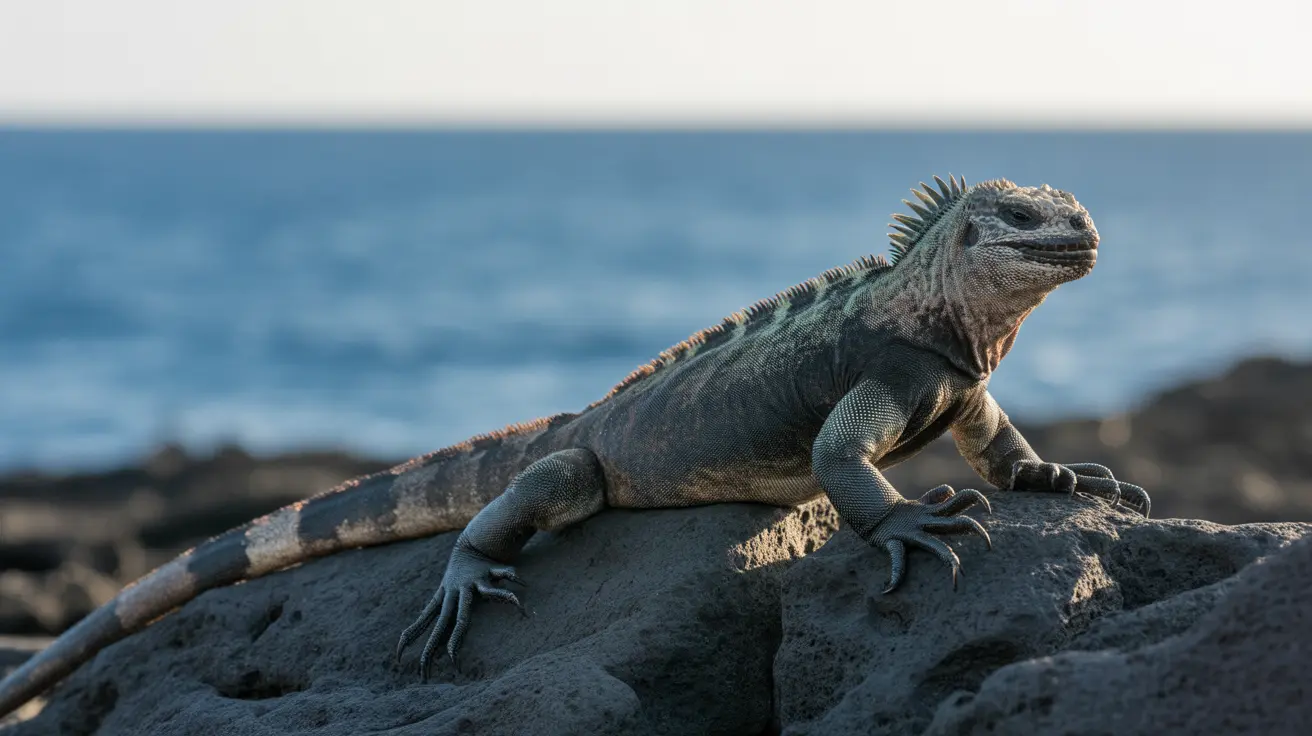
Conservationists are pushing for stronger regulations at an international wildlife trade conference as the exotic pet trade continues to fuel the decline of endangered species worldwide. The Convention on International Trade in Endangered Species of Wild Fauna and Flora (CITES) is considering new rules to address the growing demand for birds, reptiles, and other exotic animals that are experiencing population declines due to the exotic pet trade.
This development comes as the global wildlife trade, valued between $30.6 billion and $42.8 billion annually, increasingly threatens vulnerable species. With approximately 2.85 billion animals passing through international routes each year, the need for stronger oversight has become more urgent than ever for wildlife protection advocates.
The Scale of the Exotic Pet Industry Market Value
The exotic pet industry has grown into a massive global market, with the U.S. sector alone exceeding $15 billion in value. This legitimate trade exists alongside a thriving illegal wildlife trade estimated at $5 to $20 billion yearly, making it one of the world's largest illegal economies. The sheer volume and financial incentives involved make regulation and enforcement particularly challenging for authorities.
Despite the industry's size, regulatory oversight remains inadequate. Research indicates that only about 25% of exotic pet owners possess proper permits or licenses, highlighting significant gaps in the current regulatory framework that the proposed CITES regulations aim to address.
How Social Media Fuels Exotic Pet Ownership Statistics
Social media platforms have dramatically accelerated demand for exotic pets, with influencers showcasing unusual animals to millions of followers. A 2022 study revealed a staggering 472% increase in views for bush babies across social platforms, demonstrating how digital media democratizes access to these animals and creates new market demand.
Online marketplaces have further complicated regulation efforts by enabling direct connections between traffickers and buyers worldwide, often bypassing traditional regulatory oversight. This digital revolution in the exotic pet trade has made enforcement more difficult while simultaneously expanding market reach.
Galapagos Iguana Trafficking and Captive Breeding Loopholes
Traffickers increasingly exploit captive breeding loopholes to launder wild-caught animals into legal markets. Species like Galapagos iguanas, West African tortoises, and rare tarantulas face particular pressure from collectors willing to pay premium prices for endangered specimens.
The mislabeling of wild-caught animals as captive-bred has become a common practice, making it extremely difficult for consumers to verify the ethical sourcing of their pets. This deception not only threatens wild populations but also puts buyers at risk of unknowingly participating in illegal wildlife trade.
Exotic Animal Mortality Rates Reveal Hidden Costs
The exotic pet trade exacts a devastating toll on animal welfare, with approximately 80% of animals caught in illegal trade dying during transit or within their first year in captivity. These deaths result from harsh transport conditions, inadequate food, disease, and improper care by inexperienced owners.
Even legally traded exotic animals face significant mortality risks. Studies show that reptiles, for instance, experience a 41.6% death rate within 10 days of rescue, highlighting the inherent challenges of exotic pet ownership and the often inadequate preparation of buyers.
Wildlife Smuggling Networks and Enforcement Challenges
The proposed CITES regulations aim to address sophisticated wildlife smuggling networks that have adapted to exploit regulatory gaps. These networks often operate across multiple jurisdictions, making coordinated international enforcement essential for effective conservation outcomes.
The conference's focus on strengthening regulations reflects growing recognition that current measures are insufficient to protect vulnerable species from the pressures of the exotic pet trade. Enhanced monitoring, stricter documentation requirements, and improved international cooperation are among the proposed solutions.
Frequently Asked Questions
Why are exotic pets becoming illegal and what species are being banned?
Exotic pets face stricter regulations at international wildlife conferences like CITES COP19 due to increased demand driven by social media. This demand accelerates illegal capture of endangered species such as Galapagos iguanas, West African tortoises, and rare tarantulas. Traffickers exploit loopholes in captive breeding to launder wild-caught animals into legal markets, posing a threat to wild populations and risking extinction.
How do I know if my exotic pet was legally and ethically sourced?
Only about 25% of exotic pet owners possess proper permits or licenses. Legality is often hard to verify because traders may mislabel wild-caught animals as captive-bred. To ensure ethical sourcing, look for documentation tracing parentage to legitimate sources, verify the seller's credentials, and consult your country's wildlife agency regarding species-specific regulations and import requirements.
What is the exotic pet trade worth and how many animals are involved annually?
The global wildlife trade is valued between $30.6 billion and $42.8 billion annually, involving approximately 2.85 billion animals passing through international routes. The U.S. exotic pet industry alone exceeds $15 billion, with illegal wildlife trade estimated at $5 to $20 billion yearly, making it one of the largest illegal economies worldwide.
Moving Forward with Conservation
The proposed CITES regulations represent a critical step toward protecting endangered species from the pressures of the exotic pet trade. As consumers become more aware of the environmental and ethical implications of exotic pet ownership, the demand for stronger regulations and better enforcement continues to grow.
For pet enthusiasts, these developments underscore the importance of making informed, ethical choices when considering exotic animals as companions. Supporting conservation efforts and choosing responsibly sourced pets can help ensure that future generations can appreciate these remarkable species in their natural habitats.




