
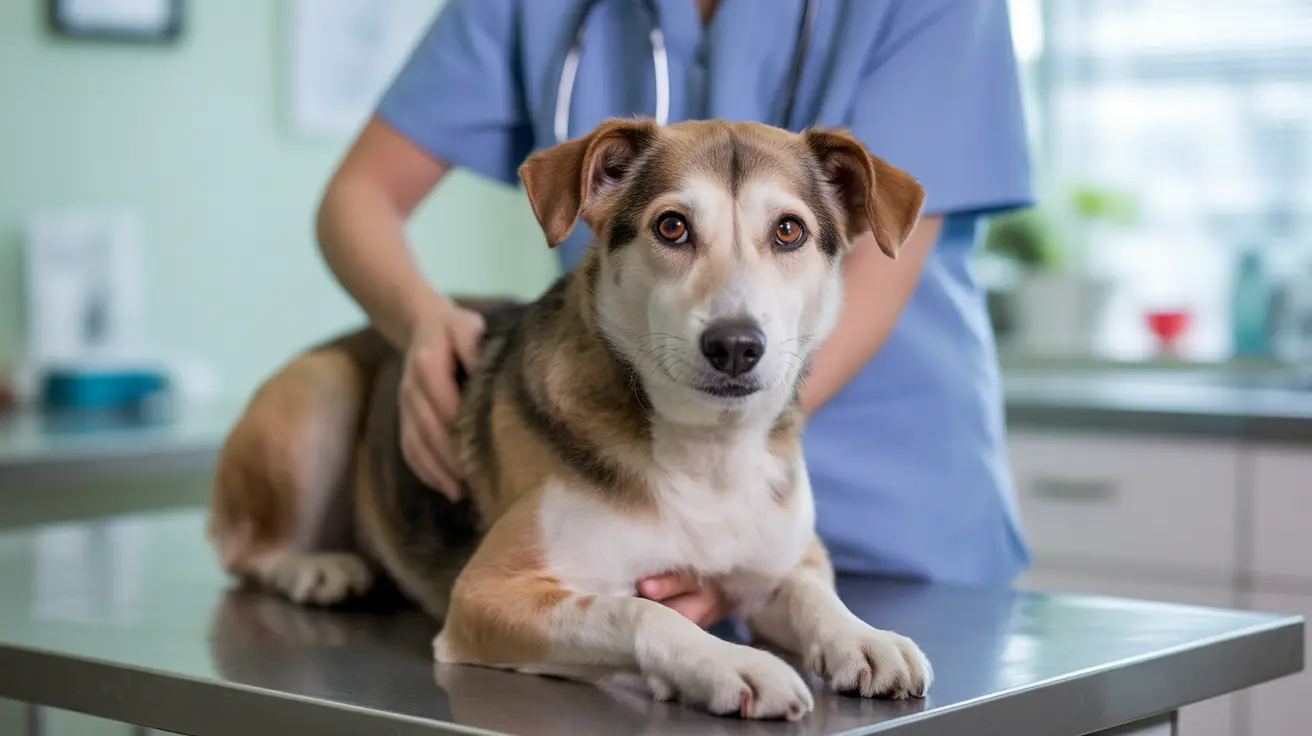
A recent case in Scranton involving allegations of animal abandonment serves as a stark reminder of pet ownership responsibilities and the importance of proper animal care. While details of the specific incident are limited, such cases often bring to light the critical need for pet owners to understand basic animal health indicators and maintain regular veterinary care.
Pet abandonment cases underscore why every pet owner should be equipped with knowledge about common pet health questions and warning signs that require immediate attention. Understanding your pet's normal behavior and health indicators can mean the difference between early intervention and serious health complications.
Understanding Basic Pet Health Indicators
One of the most frequently misunderstood aspects of pet health involves recognizing normal versus concerning symptoms. Many pet owners worry unnecessarily about certain behaviors while overlooking more serious warning signs.
Why Dogs Eat Grass and Other Normal Behaviors
Pet owners often panic when they observe their dogs eating grass, but this behavior is typically normal. Dogs eat grass reasons include natural instinct, dietary fiber needs, or simply because they enjoy the taste. However, if grass consumption becomes excessive or is accompanied by vomiting, it may warrant veterinary attention.
Recognizing When a Dog Nose Dry Indicates Health Issues
A common misconception is that a dry nose dog sick connection is always cause for alarm. While a consistently dry, cracked, or unusually warm nose can sometimes indicate illness, many healthy dogs naturally have drier noses at certain times. Temperature, humidity, and activity level all affect nose moisture. More reliable health indicators include changes in appetite, energy levels, or bathroom habits.
Identifying Weight and Movement Concerns
Pet Weight Management and Obesity Signs
Determining if your pet too fat requires understanding breed-specific body condition standards. Overweight pets face increased risks of diabetes, joint problems, and heart disease. Key indicators include difficulty feeling ribs through the fur, loss of waist definition when viewed from above, and decreased activity levels.
Effective pet weight management involves portion control, regular exercise appropriate for the pet's age and breed, and avoiding excessive treats. Gradual weight loss under veterinary supervision is safest for overweight animals.
Understanding Shivering Pet Causes
Pet shivering can result from various factors ranging from cold temperatures to more serious health issues. Shivering pet causes include excitement, anxiety, pain, fever, or underlying medical conditions. Pet shivering fever combinations require immediate veterinary attention, especially when accompanied by lethargy, loss of appetite, or behavioral changes.
Why Dogs Lick Paws and Other Behavioral Signals
Excessive paw licking often indicates underlying issues beyond normal grooming. Why dogs lick paws persistently can signal allergies, infections, injuries, or anxiety. Regular paw inspection helps identify cuts, foreign objects, or signs of infection early.
The Importance of Regular Vet Care Importance
Preventive veterinary care forms the foundation of responsible pet ownership. Regular vet care importance cannot be overstated in maintaining pet health and catching potential problems early. Establishing a consistent relationship with a veterinary professional ensures continuity of care and familiarity with your pet's normal health patterns.
Pet Vaccinations Schedule and Preventive Care
A proper pet vaccinations schedule protects against serious diseases while building community immunity. Core vaccines for dogs typically include rabies, DHPP (distemper, hepatitis, parvovirus, parainfluenza), while cats need FVRCP (feline viral rhinotracheitis, calicivirus, panleukopenia) and rabies vaccinations.
Best Pet Care Tips for Responsible Ownership
Implementing best pet care tips creates a foundation for lifelong animal health and happiness. These include maintaining consistent feeding schedules, providing adequate exercise, regular grooming, and creating safe, stimulating environments.
Common dog owner questions often center around normal versus abnormal behaviors, appropriate response to symptoms, and prevention strategies. Building knowledge about your specific pet's needs, breed characteristics, and individual personality helps distinguish between normal variations and genuine health concerns.
Frequently Asked Questions
Why is my dog's nose dry and what should I do about it?
A dry nose isn't automatically concerning. Dogs' noses naturally vary in moisture throughout the day. Monitor for other symptoms like lethargy, loss of appetite, or behavioral changes. If the nose becomes cracked, has discharge, or remains consistently dry with other symptoms, consult your veterinarian.
Why does my dog eat grass and is it a sign of a health problem?
Grass eating is typically normal behavior for dogs. It may indicate natural foraging instincts, dietary needs, or simple preference. Concern arises when grass consumption becomes obsessive or is accompanied by frequent vomiting, which may require veterinary evaluation.
How can I tell if my pet is too fat and how do I help them lose weight?
Check if you can easily feel your pet's ribs without pressing hard, and look for a visible waist when viewing from above. For weight loss, reduce portion sizes gradually, increase appropriate exercise, and consult your veterinarian for a safe weight management plan tailored to your pet's needs.
What are the signs of pain or fever in my shivering pet?
Shivering combined with lethargy, loss of appetite, hiding, excessive panting, or warm ears/nose may indicate fever or pain. Any persistent shivering, especially with other symptoms, warrants immediate veterinary attention for proper diagnosis and treatment.
How often should I take my pet for vaccinations and check-ups?
Most pets need annual wellness exams, with puppies and kittens requiring more frequent visits for initial vaccine series. Senior pets may benefit from bi-annual check-ups. Your veterinarian will recommend an appropriate schedule based on your pet's age, health status, and risk factors.




