
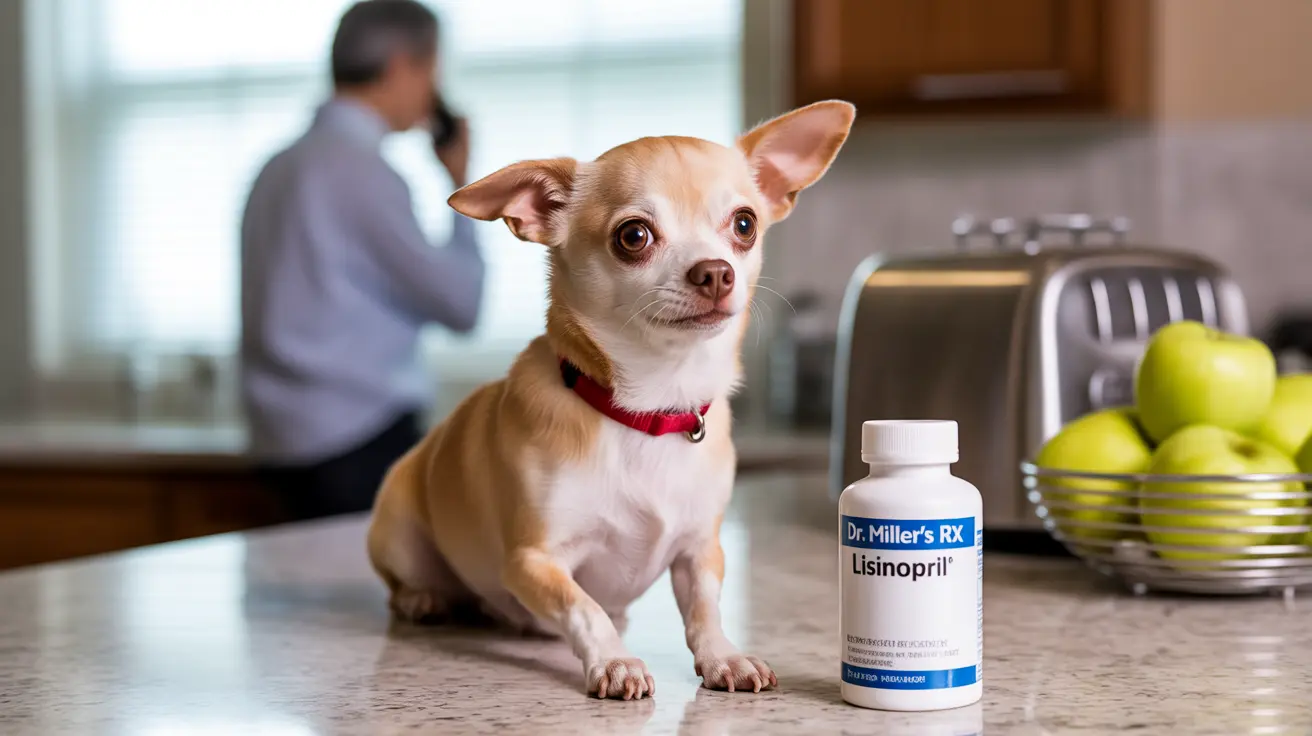
Common human blood pressure medications include atenolol, metoprolol, lisinopril, amlodipine, and hydrochlorothiazide. Each of these affects the body in unique ways, but all can disrupt a dog’s cardiovascular stability. For instance, beta-blockers may cause extreme lethargy and collapse, while calcium channel blockers can trigger severe hypotension and cardiac arrest. Even if your dog appears fine after swallowing a pill, internal effects may already be developing. Immediate veterinary attention is always the safest course of action.
Dogs are naturally curious and often explore their environment with their mouths. A dropped pill can look like a treat, and some medications have coatings that make them taste sweet. Because of this, accidental ingestion is one of the most common household emergencies veterinarians encounter. Understanding the risks and acting quickly can make the difference between a full recovery and a tragic outcome.
Recognizing Symptoms of Blood Pressure Pill Toxicity
Symptoms of blood pressure medication poisoning can appear within minutes to hours after ingestion, depending on the type and dosage of the drug. Early signs may be subtle, such as mild weakness or disorientation, but they can rapidly progress to more severe conditions. Pet owners should monitor their dogs closely for any unusual behavior or physical changes. The faster you identify symptoms, the better the chances of successful treatment.
Common signs of toxicity include vomiting, drooling, trembling, and extreme fatigue. As the medication takes effect, the dog’s heart rate may slow dramatically, and blood pressure can drop to dangerous levels. In severe cases, dogs may collapse, lose consciousness, or experience seizures. Some medications also affect kidney function, leading to reduced urination or complete urinary shutdown. If your dog exhibits any of these symptoms, do not wait to see if they improve on their own—seek emergency veterinary care immediately.
Because different classes of blood pressure drugs cause different reactions, it helps to know which medication your dog consumed. For example, ACE inhibitors like lisinopril can cause dehydration and electrolyte imbalances, while calcium channel blockers such as amlodipine may lead to life-threatening hypotension. Bring the medication bottle or packaging with you to the vet so they can identify the active ingredient and determine the best treatment plan.
Immediate Steps to Take After Ingestion
When you discover that your dog has eaten a blood pressure pill, time is of the essence. The first step is to remain calm and act quickly. Do not attempt to induce vomiting unless specifically instructed by a veterinarian or poison control expert. Some medications can cause more harm when vomited back up, especially if they irritate the esophagus or are extended-release formulations. Instead, gather as much information as possible before contacting a professional.
- Identify the medication: Note the name, dosage, and how many pills your dog may have swallowed.
- Call your veterinarian or an emergency animal hospital immediately for guidance.
- If you cannot reach a vet, contact the ASPCA Animal Poison Control Center or Pet Poison Helpline for instructions.
- Do not give your dog food, milk, or home remedies unless directed by a professional.
- Transport your dog to the nearest veterinary clinic as soon as possible, bringing the medication container with you.
Veterinarians may induce vomiting under controlled conditions, administer activated charcoal to absorb toxins, or provide intravenous fluids to stabilize blood pressure and protect the kidneys. In some cases, hospitalization and continuous monitoring are necessary. Acting within the first hour after ingestion offers the best chance for recovery, but even delayed treatment can be lifesaving if handled properly.
Veterinary Treatment and Recovery Process
Once at the veterinary clinic, your dog will undergo a thorough examination and diagnostic testing. The vet may perform blood work, electrocardiograms, and blood pressure measurements to assess the extent of toxicity. Treatment focuses on stabilizing cardiovascular function, preventing further absorption of the drug, and supporting vital organs. Depending on the medication involved, specific antidotes or supportive therapies may be used to counteract the effects.
For example, if a dog ingested a beta-blocker, the vet might administer intravenous fluids, atropine, or glucagon to raise the heart rate and blood pressure. Calcium channel blocker toxicity may require calcium infusions or vasopressors to restore circulation. In severe cases, advanced treatments such as lipid therapy or mechanical ventilation could be necessary. Throughout the process, your dog will be closely monitored for changes in heart rhythm, blood pressure, and kidney output.
Recovery time varies depending on the drug type, dosage, and how quickly treatment began. Some dogs recover within 24 hours, while others may need several days of hospitalization. After discharge, your veterinarian will likely recommend follow-up visits to ensure that your dog’s heart and kidneys are functioning normally. With prompt and appropriate care, most dogs can make a full recovery, but ongoing vigilance is essential to prevent future incidents.
Preventing Future Medication Accidents
Preventing accidental ingestion is far easier than treating a poisoning emergency. Many pet owners underestimate how resourceful dogs can be when it comes to finding pills. Simple precautions can dramatically reduce the risk of another incident. Always store medications in secure cabinets or containers that your dog cannot access. Avoid leaving pills on countertops, nightstands, or in purses where curious pets might find them.
When taking your own medication, do so over a sink or table to prevent pills from falling onto the floor. If a pill does drop, pick it up immediately before your dog has a chance to snatch it. Educate all family members, including children, about the dangers of giving human medicine to pets. Even over-the-counter drugs can be harmful, and sharing prescriptions is never safe. Consider using a pill organizer with a locking lid to keep medications secure.
- Keep all medications, including vitamins and supplements, out of reach of pets.
- Dispose of expired or unused pills properly through a pharmacy take-back program.
- Train your dog with “leave it” and “drop it” commands to reduce the risk of ingestion.
- Regularly inspect your home for stray pills or open containers.
- Inform pet sitters or visitors about medication safety rules in your household.
By maintaining a pet-safe environment and staying alert, you can protect your dog from accidental poisoning. Prevention not only saves lives but also spares you the emotional and financial stress of an emergency vet visit. Responsible medication management is a simple yet powerful way to keep your furry companion safe and healthy.
Accidental ingestion of blood pressure medication is a serious but preventable hazard for dogs. Understanding the risks, recognizing symptoms early, and acting swiftly can make all the difference in your pet’s outcome. Always contact a veterinarian or poison control center immediately if you suspect your dog has swallowed any medication. With prompt treatment and careful prevention, most dogs recover fully and return to their normal, happy selves. Keeping medications secure and staying informed are the best defenses against future emergencies.
FAQ
What should I do first if my dog eats a blood pressure pill?
The first step is to stay calm and act quickly. Identify the medication your dog ingested, including the name, dosage, and quantity. Contact your veterinarian or an emergency animal hospital immediately for instructions. If professional help is unavailable, call a poison control hotline such as the ASPCA Animal Poison Control Center. Do not induce vomiting or give home remedies unless directed by a professional, as some medications can cause more harm when regurgitated. Bring the pill bottle with you to the vet for accurate identification and treatment guidance.
How long after ingestion do symptoms appear?
Symptoms can develop within 30 minutes to several hours, depending on the type of medication and your dog’s size. Fast-acting drugs may cause noticeable effects almost immediately, while extended-release formulations can delay symptoms. Because the onset can vary, it’s crucial to seek veterinary care even if your dog seems fine initially. Early intervention can prevent severe complications such as heart failure, kidney damage, or collapse. Monitoring your dog closely for the first 24 hours after ingestion is essential, as delayed reactions are possible.
Can one blood pressure pill kill a dog?
Yes, in some cases, even a single pill can be fatal, especially for small dogs or puppies. Blood pressure medications are potent and designed for human body weights, which means a small dose can drastically lower a dog’s blood pressure or heart rate. The toxicity level depends on the specific drug and the dog’s size and health condition. Immediate veterinary treatment offers the best chance of survival. Never assume that a small amount is harmless—always treat any ingestion as an emergency.
What treatments do veterinarians use for blood pressure pill poisoning?
Treatment depends on the type of medication and how much was ingested. Common interventions include inducing vomiting (if safe), administering activated charcoal to absorb toxins, and providing intravenous fluids to stabilize blood pressure. In severe cases, medications like atropine, glucagon, or calcium infusions may be used to counteract cardiovascular effects. Continuous monitoring of heart rate, blood pressure, and kidney function is standard. Hospitalization may be required until your dog’s vital signs return to normal and the drug is fully metabolized.
Should I try to make my dog vomit at home?
No, you should not attempt to make your dog vomit unless specifically instructed by a veterinarian or poison control expert. Some medications can cause additional harm when vomited, especially if they are corrosive or extended-release. Inducing vomiting incorrectly can also lead to aspiration, where vomit enters the lungs. Always consult a professional before taking any action. In most cases, it’s safer to transport your dog to a veterinary clinic where vomiting can be induced under controlled conditions if appropriate.
How do I know which blood pressure medication my dog ate?
Check your medication bottles and count the remaining pills to determine what might be missing. Look for any broken or chewed tablets near where your dog was found. If you are unsure, bring all your medications to the vet so they can identify the possible culprit. Knowing the exact drug and dosage helps the veterinarian choose the right treatment. If multiple medications are missing, assume the worst-case scenario and seek emergency care immediately. Accurate information can significantly improve your dog’s prognosis.
Can dogs recover fully after ingesting blood pressure medication?
Yes, many dogs recover completely with prompt and appropriate treatment. The key factors influencing recovery are the type of medication, the amount ingested, and how quickly veterinary care is provided. Dogs treated within the first hour often have excellent outcomes. However, severe cases involving large doses or delayed treatment may require extended hospitalization and follow-up care. Once stabilized, most dogs return to normal activity levels, but your vet may recommend periodic checkups to monitor heart and kidney health.
What are the long-term effects of blood pressure pill poisoning in dogs?
Most dogs that receive timely treatment experience no lasting effects. However, severe poisoning can sometimes cause residual heart or kidney damage. Your veterinarian may recommend follow-up blood tests and blood pressure monitoring to ensure full recovery. In rare cases, chronic issues such as reduced kidney function or irregular heart rhythms may persist. Maintaining regular veterinary checkups after the incident helps detect and manage any long-term complications early, ensuring your dog remains healthy and active.
How can I prevent my dog from eating pills again?
Prevention starts with secure storage. Keep all medications, including over-the-counter drugs and supplements, in closed cabinets or containers out of your dog’s reach. Avoid leaving pills on counters, tables, or in bags where pets can access them. When taking your medication, do so in a controlled area and immediately pick up any dropped pills. Educate family members about the dangers of giving human medicine to pets. Training your dog with commands like “leave it” can also help prevent accidental ingestion in the future.
Are other human medications dangerous for dogs?
Yes, many human medications are toxic to dogs, including pain relievers like ibuprofen and acetaminophen, antidepressants, and diabetes drugs. Even small doses can cause severe reactions. Always keep all medications out of reach and never give your dog any human drug without veterinary approval. If you suspect your dog has ingested any medication, contact your vet or a poison control hotline immediately. Quick action can prevent serious harm and save your pet’s life.




