
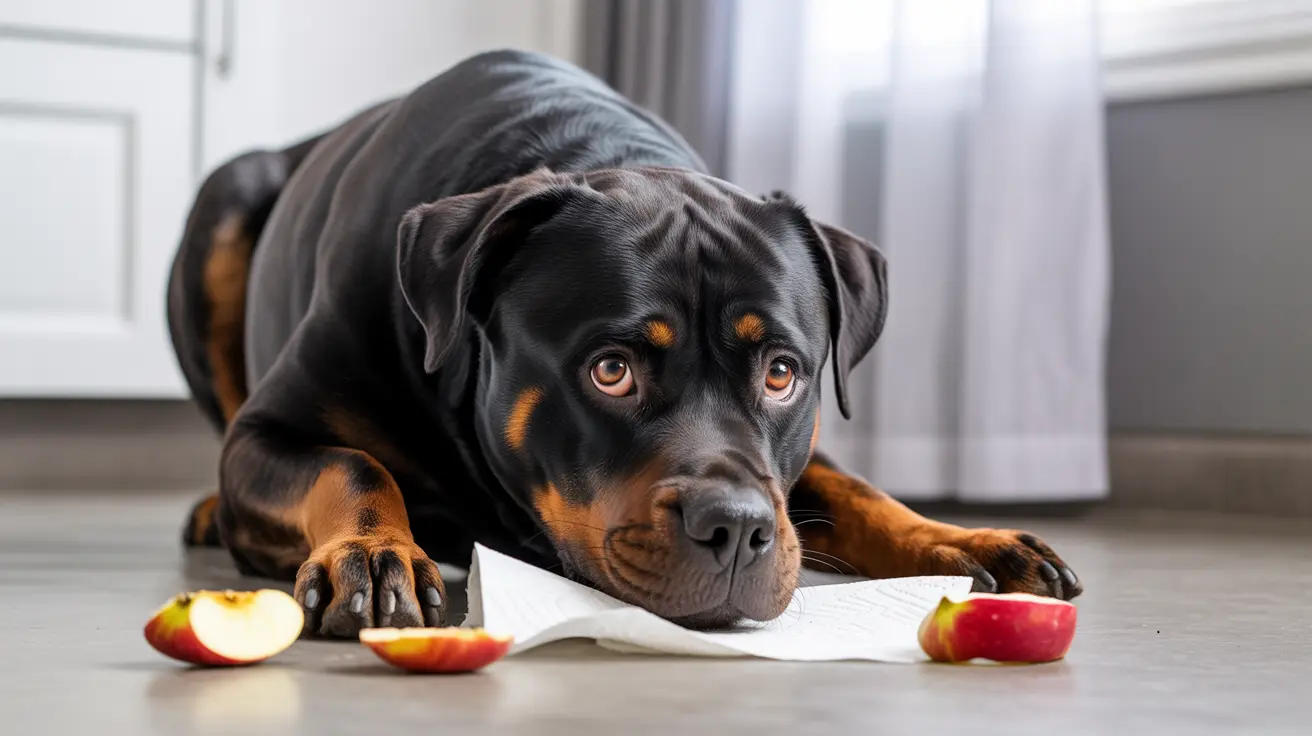
Paper towels may seem harmless, but they can pose serious health risks once swallowed. Unlike digestible food, paper towels don’t break down easily in a dog’s stomach. Depending on the amount consumed and the size of the dog, the paper can clump together and cause blockages in the digestive tract. This risk increases if the paper towel was soaked in grease, cleaning chemicals, or other toxic substances. Understanding the reasons behind this behavior is the first step toward preventing it and protecting your dog’s health.
Recognizing the motivation behind your dog’s paper towel consumption helps you respond appropriately. Whether it’s curiosity, stress, or a medical condition, identifying the root cause allows you to take targeted steps to stop the behavior and avoid future emergencies. With that foundation, it’s important to know what immediate actions to take when you discover your dog has eaten a paper towel.
Immediate Steps to Take After Your Dog Eats a Paper Towel
When you realize your dog has eaten a paper towel, it’s natural to panic—but staying calm is crucial. The first step is to assess the situation. Try to determine how much paper towel your dog consumed and whether it was clean or contaminated. If the paper towel had contact with food, grease, or chemicals, the risk of toxicity or intestinal blockage increases. Observe your dog closely for any signs of distress, such as vomiting, drooling, gagging, or difficulty defecating. Even if your dog seems fine initially, symptoms can develop hours later as the paper moves through the digestive system.
Do not attempt to induce vomiting unless specifically instructed by a veterinarian. In some cases, forcing your dog to vomit can worsen the situation, especially if the paper towel is already lodged in the throat or stomach. Instead, contact your veterinarian or an emergency animal clinic immediately. Provide them with details about your dog’s size, breed, and the estimated amount of paper towel ingested. They may advise you to monitor your dog at home or bring them in for an examination and possible imaging tests to check for blockages.
While waiting for professional advice, ensure your dog has access to fresh water and keep them calm. Avoid feeding them additional food or treats until you receive guidance from a vet. In some mild cases, small amounts of paper may pass naturally, but only a veterinarian can determine whether it’s safe to wait or if immediate intervention is necessary. Once you’ve handled the immediate situation, the next step is understanding the potential complications that can arise from paper towel ingestion.
Potential Health Risks and Warning Signs
Paper towels can cause a range of digestive problems depending on the amount ingested and the dog’s size. The most serious concern is an intestinal blockage, which occurs when the paper forms a dense mass that prevents food and fluids from passing through the digestive tract. This condition can quickly become life-threatening if untreated. Symptoms of a blockage include persistent vomiting, loss of appetite, abdominal pain, lethargy, and straining or inability to defecate. If you notice any of these signs, seek veterinary care immediately.
Another risk arises when the paper towel is contaminated with substances like grease, cleaning agents, or food waste. These materials can introduce toxins or bacteria into your dog’s system, leading to poisoning or gastrointestinal infections. Even if the paper towel was clean, the physical presence of indigestible material can irritate the stomach lining, causing inflammation or minor tears. In severe cases, surgical removal may be required to extract the blockage and prevent further damage.
Veterinarians may use diagnostic tools such as X-rays or ultrasounds to locate the obstruction and assess its severity. Treatment options vary from inducing vomiting under controlled conditions to performing endoscopy or surgery. Early detection greatly improves recovery outcomes, so never delay seeking help if your dog shows signs of distress. Once your dog is stable, it’s essential to focus on prevention to avoid future incidents.
Preventing Future Incidents
Prevention is the most effective way to protect your dog from the dangers of eating paper towels. Start by managing your home environment. Keep trash cans securely closed or stored in cabinets, and avoid leaving paper towels or napkins within your dog’s reach. If your dog tends to scavenge, consider using pet-proof bins with locking lids. Regularly clean up food spills and dispose of used paper towels promptly to remove temptation. Environmental management is a simple yet powerful way to reduce the risk of accidental ingestion.
Behavioral training also plays a key role. Teaching commands such as “leave it” or “drop it” can help you intervene before your dog swallows something harmful. Positive reinforcement—rewarding your dog for obeying commands—encourages consistent behavior. Additionally, ensure your dog receives adequate mental and physical stimulation. Boredom often drives dogs to chew on inappropriate items, so provide safe chew toys, puzzle feeders, and regular exercise to keep them occupied and satisfied.
For dogs with persistent pica or anxiety-related chewing, consult a veterinarian or animal behaviorist. They can help identify underlying causes such as nutritional imbalances or stress and recommend appropriate treatments or dietary adjustments. By combining environmental control, training, and professional guidance, you can significantly reduce the likelihood of your dog eating paper towels again.
When to Seek Veterinary Help and What to Expect
Knowing when to call the vet can make the difference between a minor issue and a medical emergency. If your dog ate a small piece of paper towel and shows no symptoms, your vet may advise monitoring at home. However, if your dog consumed a large amount, or if the paper towel was greasy, soiled, or chemically contaminated, immediate veterinary attention is essential. Even small dogs can experience severe complications from relatively small quantities of paper due to their narrower digestive tracts.
At the clinic, the veterinarian will perform a physical examination and may recommend imaging tests to determine whether a blockage is present. Depending on the findings, treatment could include induced vomiting, fluid therapy, or surgical removal of the obstruction. Recovery time varies, but most dogs bounce back quickly with prompt care. Your vet will likely provide dietary recommendations and follow-up instructions to ensure your dog’s digestive system returns to normal function.
After treatment, monitor your dog closely for any lingering symptoms such as vomiting, diarrhea, or loss of appetite. These could indicate residual irritation or incomplete recovery. Keeping a record of what happened—including how much paper was eaten and how your dog responded—can help your vet tailor future advice. Once your dog is fully recovered, focus on reinforcing preventive habits to avoid repeating the experience.
While a dog eating a paper towel might seem like a minor mishap, it can quickly escalate into a serious medical issue. Understanding why dogs engage in this behavior, knowing how to respond immediately, and recognizing the warning signs of complications are all crucial steps in protecting your pet’s health. Prevention through environmental management, training, and proper supervision remains the best defense. If you ever suspect your dog has ingested paper towels or any non-food item, don’t hesitate to contact your veterinarian for guidance. Acting quickly and responsibly ensures your furry companion stays safe, healthy, and out of harm’s way.
FAQ
What should I do first if my dog eats a paper towel?
Stay calm and assess the situation. Determine how much paper towel your dog ate and whether it was clean or contaminated. Avoid inducing vomiting unless your veterinarian instructs you to do so, as this can sometimes worsen the situation. Contact your vet or an emergency animal clinic for advice, providing details about your dog’s size, breed, and the estimated amount ingested. In many cases, your vet will guide you on whether to monitor your dog at home or bring them in for an examination. Acting quickly can prevent serious complications.
Can a paper towel pass through a dog’s digestive system naturally?
In some mild cases, small amounts of paper towel may pass naturally, especially in larger dogs. However, there is always a risk of blockage, particularly if the paper clumps together or if your dog is small. Monitor your dog closely for signs of distress such as vomiting, loss of appetite, or difficulty defecating. If any of these symptoms appear, seek veterinary care immediately. Even if your dog seems fine, it’s best to consult your vet to ensure the paper towel won’t cause internal problems as it moves through the digestive tract.
How long after eating a paper towel will symptoms appear?
Symptoms can appear within a few hours or take up to two days, depending on how much paper towel was eaten and where it is in the digestive system. Early signs may include vomiting, drooling, or restlessness. As the blockage progresses, your dog may show abdominal pain, lethargy, or constipation. Because symptoms can develop gradually, it’s important to observe your dog closely for at least 48 hours after ingestion. If you notice any unusual behavior or discomfort, contact your veterinarian right away for evaluation and possible imaging tests.
What are the signs of an intestinal blockage in dogs?
Common signs of an intestinal blockage include repeated vomiting, refusal to eat, bloated abdomen, lethargy, and straining or inability to pass stool. Some dogs may also whine or show signs of abdominal pain when touched. These symptoms indicate that the digestive tract is obstructed and food or fluids cannot pass normally. A blockage is a medical emergency that requires immediate veterinary attention. Left untreated, it can lead to severe dehydration, infection, or even death. Prompt diagnosis and treatment greatly improve the chances of a full recovery.
Should I feed my dog after it eats a paper towel?
It’s best not to feed your dog until you’ve spoken with a veterinarian. Feeding too soon can worsen a potential blockage or cause additional vomiting. Your vet may recommend withholding food for several hours while monitoring your dog’s condition. Once it’s safe to resume feeding, start with small portions of bland food such as boiled chicken and rice to ease digestion. Always follow your vet’s specific instructions, as the appropriate course of action depends on your dog’s size, health, and the amount of paper towel ingested.
Can eating paper towels be a sign of a behavioral problem?
Yes, in many cases, eating paper towels is linked to behavioral issues such as boredom, anxiety, or attention-seeking behavior. Dogs may chew or swallow non-food items when they lack mental stimulation or when they’re stressed. Providing adequate exercise, interactive toys, and consistent training can help reduce this behavior. If your dog continues to eat paper towels despite these efforts, consult a veterinarian or animal behaviorist. They can identify underlying causes such as pica—a condition where dogs crave non-food items—and recommend strategies or treatments to correct it safely.
What should I tell the vet when I call about my dog eating paper towels?
Provide as much detail as possible. Tell the vet your dog’s breed, age, weight, and any preexisting health conditions. Describe how much paper towel was eaten, whether it was clean or contaminated, and when the incident occurred. Mention any symptoms you’ve observed, such as vomiting or lethargy. This information helps the veterinarian assess the level of risk and decide whether your dog needs immediate examination or can be monitored at home. Accurate details allow for faster, more effective treatment decisions and better outcomes for your pet.
How can I prevent my dog from eating paper towels again?
Prevention involves both environmental management and behavioral training. Keep trash cans securely closed, store paper products out of reach, and clean up spills promptly. Teach commands like “leave it” and reward your dog for obeying. Provide plenty of exercise and mental stimulation through toys, games, and regular walks. If your dog’s behavior persists, consult a vet to rule out medical causes such as nutritional deficiencies or digestive issues. Consistent supervision and positive reinforcement are key to breaking the habit and keeping your dog safe from future incidents.
Is it dangerous if my dog ate a paper towel with grease or chemicals on it?
Yes, this situation is more serious than if the paper towel were clean. Grease can cause pancreatitis, while cleaning chemicals or food residues may introduce toxins into your dog’s system. Even small amounts of contaminated paper can lead to poisoning or severe gastrointestinal upset. Contact your veterinarian immediately if your dog ingested a greasy or chemically-soiled paper towel. The vet may recommend bringing your dog in for evaluation and possible treatment to prevent complications. Quick action is essential to minimize the risk of toxicity and ensure your dog’s safety.
Can this happen again if my dog has done it once?
Unfortunately, yes. Dogs that have eaten paper towels once are more likely to repeat the behavior, especially if the underlying cause—such as boredom or anxiety—hasn’t been addressed. Consistent training, environmental control, and supervision are crucial to preventing recurrence. Reinforce positive behaviors and redirect your dog’s attention to safe chew toys or activities. If the problem persists, seek professional help from a veterinarian or behaviorist. Addressing both the behavioral and environmental factors ensures long-term success and keeps your dog from developing a dangerous habit.




