
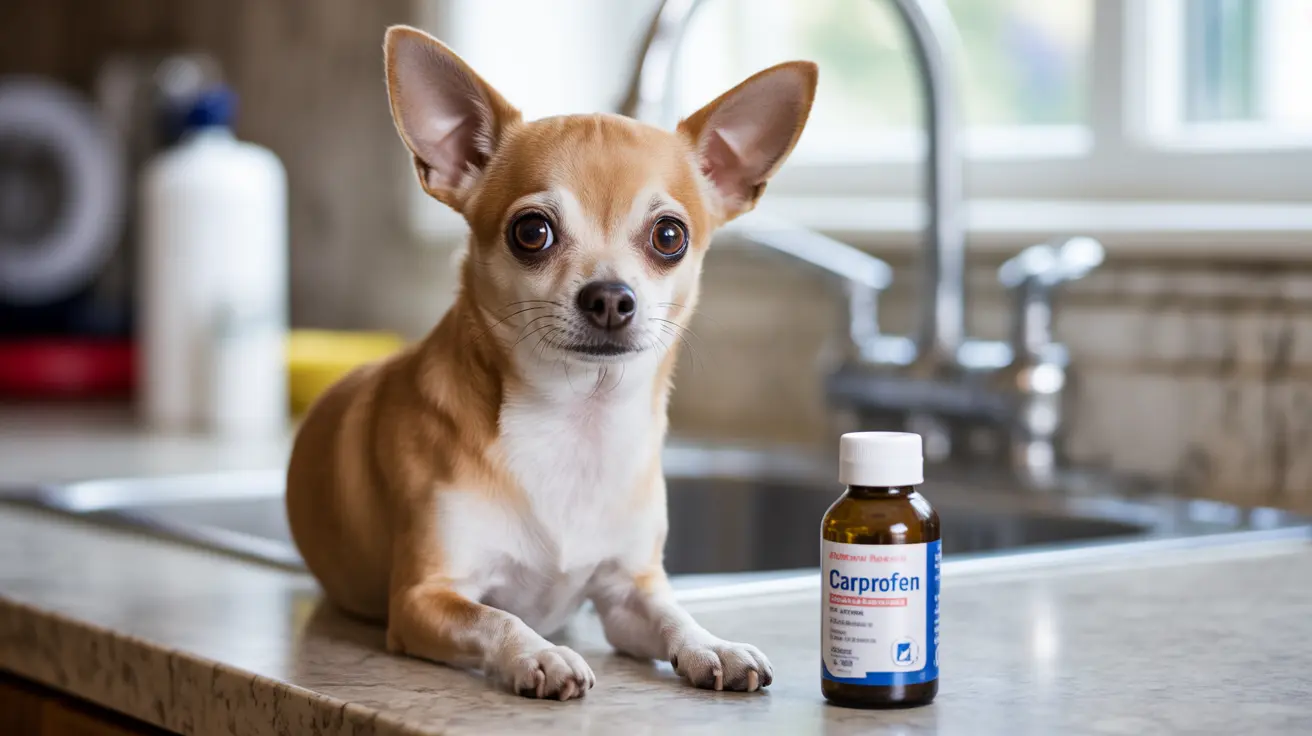
It is often used after surgeries, for chronic conditions such as arthritis, or to manage injuries that cause discomfort. Carprofen works by inhibiting enzymes that produce prostaglandins—chemicals responsible for inflammation and pain. When administered correctly, it can significantly improve a dog’s mobility and quality of life. However, like all medications, it must be given in precise doses. Even a small deviation from the prescribed amount can lead to unwanted side effects or, in severe cases, toxicity.
Because Carprofen is metabolized through the liver, dogs with pre-existing liver or kidney issues are especially vulnerable to complications. Veterinarians typically calculate the dosage based on the dog’s weight, age, and overall health. A double dose—whether accidental or due to misunderstanding instructions—can overwhelm the dog’s system. Understanding what happens in such situations and how to respond quickly can make a crucial difference in the outcome.
In the following sections, we’ll explore what occurs when a dog receives too much Carprofen, the symptoms to watch for, and the immediate steps owners should take. We’ll also discuss how veterinarians treat overdoses and what preventive measures can help avoid such accidents in the future.
Immediate Effects of a Double Dose
When a dog ingests twice its prescribed dose of Carprofen, the body’s ability to process the medication becomes strained. The liver and kidneys, which are responsible for metabolizing and excreting the drug, may become overloaded. This can lead to elevated levels of Carprofen in the bloodstream, causing irritation in the gastrointestinal tract and potentially damaging internal organs. The severity of the reaction depends on the dog’s size, health status, and how quickly treatment is initiated.
Common early signs of overdose include vomiting, diarrhea, loss of appetite, and lethargy. Some dogs may also show signs of abdominal pain, drooling, or restlessness. In more serious cases, the dog may develop black or bloody stools, indicating gastrointestinal bleeding. If the overdose is significant, neurological symptoms such as disorientation, tremors, or seizures can occur. These symptoms can appear within hours of ingestion, making prompt observation and action essential.
Owners should never wait to see if the symptoms resolve on their own. Even if the dog appears stable, internal damage may already be occurring. Contacting a veterinarian or an emergency animal clinic immediately is the safest course of action. The vet may ask for details such as the dog’s weight, the exact dosage given, and the time of ingestion to determine the best treatment plan.
Veterinary Response and Treatment Options
When a veterinarian suspects a Carprofen overdose, the first step is to prevent further absorption of the drug. If the ingestion occurred recently, the vet may induce vomiting or administer activated charcoal to bind the remaining medication in the stomach. Intravenous fluids are often given to support kidney function and help flush the drug from the system. Blood tests are typically performed to assess liver and kidney health, as these organs are most at risk from NSAID toxicity.
Depending on the severity of the overdose, hospitalization may be required for close monitoring. The veterinary team will track vital signs, hydration levels, and blood chemistry to ensure the dog’s organs are functioning properly. In some cases, medications to protect the stomach lining, such as proton pump inhibitors or sucralfate, are prescribed to prevent ulcers or bleeding. Pain management and supportive care continue until the dog’s condition stabilizes.
Recovery time varies widely. Some dogs may recover within a few days with minimal complications, while others may need extended care if organ damage has occurred. The key factor in a positive outcome is how quickly treatment begins after the overdose. Delaying veterinary attention can significantly increase the risk of long-term health issues or even fatality.
Long-Term Health Implications
Even after a dog recovers from an acute Carprofen overdose, there may be lingering effects that require ongoing monitoring. The liver and kidneys can sustain damage that may not be immediately apparent. Follow-up bloodwork is often recommended to ensure these organs are functioning properly. Dogs that have experienced an overdose may also become more sensitive to medications in the future, requiring dosage adjustments or alternative treatments for pain management.
Chronic exposure to excessive NSAIDs can lead to gastrointestinal ulcers, scarring, or reduced appetite. In some cases, dogs may develop aversions to food or water due to nausea or discomfort. Behavioral changes such as irritability or withdrawal can also occur if the dog associates medication with feeling unwell. Owners should communicate any unusual symptoms to their veterinarian, even weeks after the incident, as delayed complications are possible.
To minimize long-term risks, veterinarians may recommend dietary changes, supplements to support liver function, or switching to a different class of pain relief medication. Regular checkups and blood tests help ensure that any residual effects are detected early and managed appropriately. With careful follow-up, many dogs can return to normal health after an overdose event.
Prevention and Safe Medication Practices
Preventing accidental overdoses begins with clear communication and careful handling of medications. Owners should always double-check dosage instructions and use a dedicated measuring tool rather than estimating by eye. Keeping a medication log can help track when each dose is given, reducing the chance of duplication. If multiple family members share responsibility for administering medication, a written schedule or reminder system can prevent confusion.
It’s also important to store Carprofen and other medications in a secure location out of reach of pets. Dogs are naturally curious and may chew through containers if they smell something appealing. Always verify the medication label before giving it to ensure it’s the correct drug and dosage. If a dose is missed, never double up at the next scheduled time without consulting a veterinarian. Overcompensating for a missed dose is one of the most common causes of accidental overdosing.
- Keep medications in their original containers with clear labels.
- Use a dosing chart or app to track administration times.
- Confirm the correct dosage with your vet before each refill.
- Contact your veterinarian immediately if a dosing mistake occurs.
- Schedule regular checkups to monitor your dog’s liver and kidney health.
By following these precautions, owners can greatly reduce the risk of medication errors and ensure their dogs receive the full benefits of Carprofen safely. Responsible management not only protects the dog’s health but also provides peace of mind for the caregiver.
Carprofen is an effective and widely used medication for managing pain and inflammation in dogs, but it must be administered with precision. A double dose can lead to serious health consequences, from gastrointestinal distress to organ damage. Recognizing the signs of overdose and acting quickly can make a life-saving difference. Veterinary intervention, supportive care, and ongoing monitoring are essential components of recovery. Ultimately, prevention through careful dosing and communication remains the best safeguard. By staying informed and attentive, pet owners can ensure their dogs benefit from Carprofen’s therapeutic effects without unnecessary risk.
FAQ
What should I do immediately if my dog accidentally gets a double dose of Carprofen?
If you suspect your dog has received twice the prescribed amount, contact your veterinarian or an emergency animal clinic right away. Do not wait for symptoms to appear. Provide the vet with details such as your dog’s weight, the dosage given, and the time of ingestion. The veterinarian may instruct you to bring your dog in immediately or, in some cases, induce vomiting under professional supervision. Quick action can prevent serious complications and improve the chances of full recovery.
How long after an overdose will symptoms appear?
Symptoms can develop within a few hours of ingestion, though the exact timing varies depending on the dog’s metabolism and the amount consumed. Early signs often include vomiting, diarrhea, and lethargy. More severe symptoms, such as black stools, tremors, or seizures, may appear later if the overdose is significant. Monitoring your dog closely during the first 12–24 hours is critical, and any unusual behavior should prompt immediate veterinary attention.
Can a small dog tolerate a double dose better than a large dog?
In general, smaller dogs are more vulnerable to overdoses because their bodies process medication differently and have less capacity to metabolize excess amounts. A double dose that might cause mild discomfort in a large dog could be life-threatening for a small breed. Always follow the veterinarian’s dosage instructions precisely, as even small miscalculations can have serious consequences for smaller pets.
What tests will the veterinarian perform after a suspected overdose?
Veterinarians typically conduct blood tests to evaluate liver and kidney function, as these organs are most affected by NSAID toxicity. They may also perform urinalysis to assess hydration and kidney performance. In some cases, imaging such as ultrasound or X-rays is used to check for internal bleeding or organ enlargement. These diagnostic tools help determine the extent of the damage and guide the treatment plan for optimal recovery.
Is there an antidote for Carprofen overdose?
There is no specific antidote for Carprofen toxicity. Treatment focuses on supportive care to minimize absorption and protect the organs. This may include inducing vomiting, administering activated charcoal, providing IV fluids, and prescribing medications to protect the stomach lining. The goal is to stabilize the dog and allow the body to eliminate the excess drug safely. Early intervention remains the most effective way to prevent lasting harm.
Can long-term use of Carprofen increase the risk of overdose?
Long-term use itself doesn’t directly cause overdose, but it can increase the risk of cumulative side effects, especially if the dog’s liver or kidneys become compromised over time. Regular blood tests are essential for dogs on extended Carprofen therapy to ensure the organs are functioning properly. If the dog’s metabolism slows or health changes occur, the veterinarian may adjust the dosage to maintain safety and effectiveness.
What are the long-term effects of a Carprofen overdose?
Depending on the severity, long-term effects can include liver or kidney damage, gastrointestinal ulcers, or chronic digestive issues. Some dogs may experience reduced appetite or sensitivity to future medications. Regular follow-up appointments and bloodwork help detect lingering issues early. With proper care and monitoring, many dogs recover fully, but ongoing vigilance is necessary to prevent recurrence or complications.
Can I give my dog human pain medication instead of Carprofen?
No, human pain medications such as ibuprofen, acetaminophen, or naproxen are extremely dangerous for dogs and can cause severe poisoning even in small doses. Carprofen is specifically formulated for canine use and should only be given under veterinary supervision. If your dog appears to be in pain, consult your veterinarian before administering any medication. Self-medicating pets with human drugs can lead to life-threatening consequences.
How can I prevent accidental double dosing in the future?
Establish a consistent medication routine and use a written or digital log to record each dose. If multiple people care for the dog, communicate clearly about who administered the medication and when. Store Carprofen in a secure, labeled container, and always verify the dosage before giving it. Never attempt to make up for a missed dose by doubling the next one. These simple habits can prevent confusion and protect your dog’s health.
When should I schedule follow-up tests after an overdose?
Most veterinarians recommend follow-up bloodwork within one to two weeks after an overdose to assess liver and kidney function. Depending on the results, additional tests may be scheduled over the next few months. Regular monitoring ensures that any delayed effects are caught early and managed appropriately. Even if your dog appears fully recovered, these follow-ups are crucial for confirming internal health stability.




