
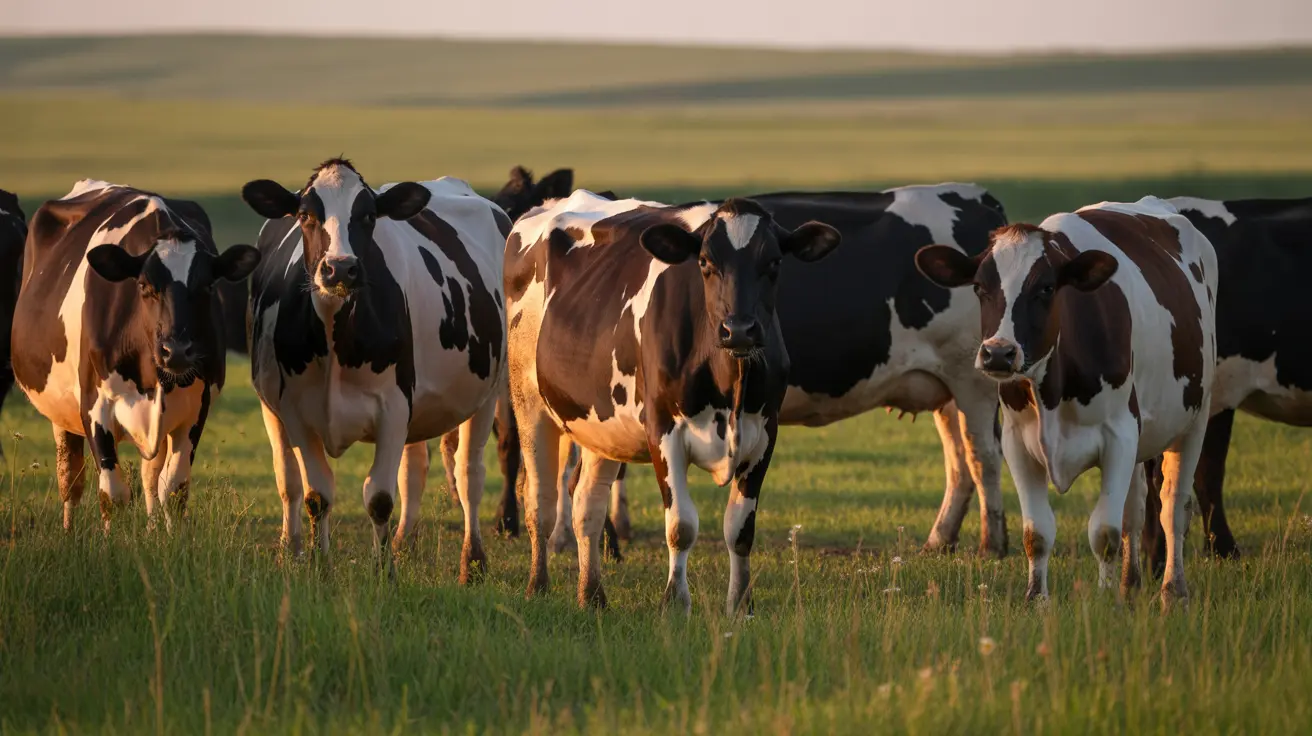
When it comes to choosing the best dog food for your furry companion, understanding where your pet's nutrition originates can make a significant difference. More than 95% of U.S. farms are family-owned operations, a statistic that highlights the personal dedication behind the agricultural products that eventually become the high-quality ingredients in your pet's bowl. This family-centered approach to farming extends beyond just growing crops—it encompasses a commitment to animal welfare, sustainable land management, and creating nutritious food sources that benefit both livestock and the pets we love.
For pet parents seeking answers to common pet questions about nutrition and health, the connection between responsible farming practices and pet food quality is crucial. Family-owned dairy farms, in particular, play a vital role in producing ingredients that support pet health, from protein-rich dairy components to ensuring the overall quality standards that discerning pet owners demand.
How Family Farming Impacts Pet Food Quality
Family-owned agricultural operations bring a level of care and attention that directly benefits pet food production. These farmers understand that their animals' well-being translates into better quality products, which ultimately affects the pets consuming foods made from these ingredients. The personal investment that family farmers have in their land and livestock creates a foundation for the nutritious pet food options available in today's market.
When evaluating dog food or raw dog food options, pet parents can feel more confident knowing that many ingredients come from farms where multiple generations have perfected their animal care practices. This dedication to quality often results in better nutrient profiles and cleaner ingredients that support optimal pet health.
Understanding Pet Nutrition Basics
Good pet care starts with understanding what makes quality pet food. Family-owned farms contribute to this quality through their commitment to sustainable practices and animal welfare. Whether you're choosing traditional kibble, exploring raw dog food options, or simply trying to answer the question "is my pet overweight," the source of your pet's nutrition matters.
Essential Considerations for Pet Food Selection
When searching for the best dog food for your pet, consider these fundamental factors that often trace back to quality farming practices:
- High-quality protein sources from well-cared-for livestock provide the amino acids pets need for muscle development and maintenance. Family farms typically prioritize animal welfare, which can result in better quality protein ingredients for pet food manufacturing.
- Sustainable farming practices also contribute to cleaner, more nutritious ingredients. Family-owned operations often implement environmentally conscious methods that reduce contamination risks and preserve soil health, ultimately benefiting the crops and livestock that become pet food ingredients.
Common Pet Health Concerns and Prevention
Many pet health questions stem from nutritional factors that can be addressed through proper food selection. Understanding the agricultural foundation of pet nutrition helps pet parents make informed decisions about their companion's diet.
Proper nutrition from quality sources can help prevent various health issues. When pets receive balanced nutrition from ingredients sourced from well-managed family farms, they're more likely to maintain healthy weights, strong immune systems, and overall vitality.
Building Strong Relationships with Pet Care Professionals
While quality nutrition forms the foundation of pet health, regular veterinary care remains essential. Finding reliable professionals through searches like "vet near me" or "emergency vet near me" ensures your pet receives comprehensive care beyond just nutritional support.
Additionally, services like "dog training near me" complement good nutrition by providing the behavioral support that helps pets thrive. A well-nourished pet is often more receptive to training and better able to maintain healthy behaviors.
Frequently Asked Questions
What is the best food to feed my pet and how do I choose?
The best pet food contains high-quality ingredients from reputable sources, often including products from family-owned farms that prioritize animal welfare and sustainable practices. Look for foods with clearly identified protein sources, minimal processing, and ingredients you can recognize. Consult with your veterinarian to determine the specific nutritional needs based on your pet's age, size, and health status.
How can I tell if my pet is overweight or too fat?
You should be able to feel your pet's ribs easily when applying gentle pressure, and there should be a visible waist when viewed from above. If you cannot feel the ribs or notice a loss of waist definition, your pet may be overweight. Regular weigh-ins at your veterinary clinic provide the most accurate assessment of your pet's body condition.
How often should I take my pet to the vet for checkups and vaccinations?
Adult pets should generally receive annual wellness examinations, while senior pets (over 7 years for dogs, over 10 for cats) benefit from twice-yearly checkups. Puppies and kittens require more frequent visits for their initial vaccination series. Your veterinarian will establish a vaccination schedule based on your pet's lifestyle, age, and local disease risks.
Conclusion
The connection between family-owned farming and quality pet nutrition demonstrates how agricultural practices directly impact our pets' health and well-being. By understanding this relationship and choosing pet foods from reputable sources, pet parents can provide their companions with the nutritional foundation they need to thrive. Remember that quality nutrition, combined with regular veterinary care and proper training, creates the best environment for your pet's long-term health and happiness.




