
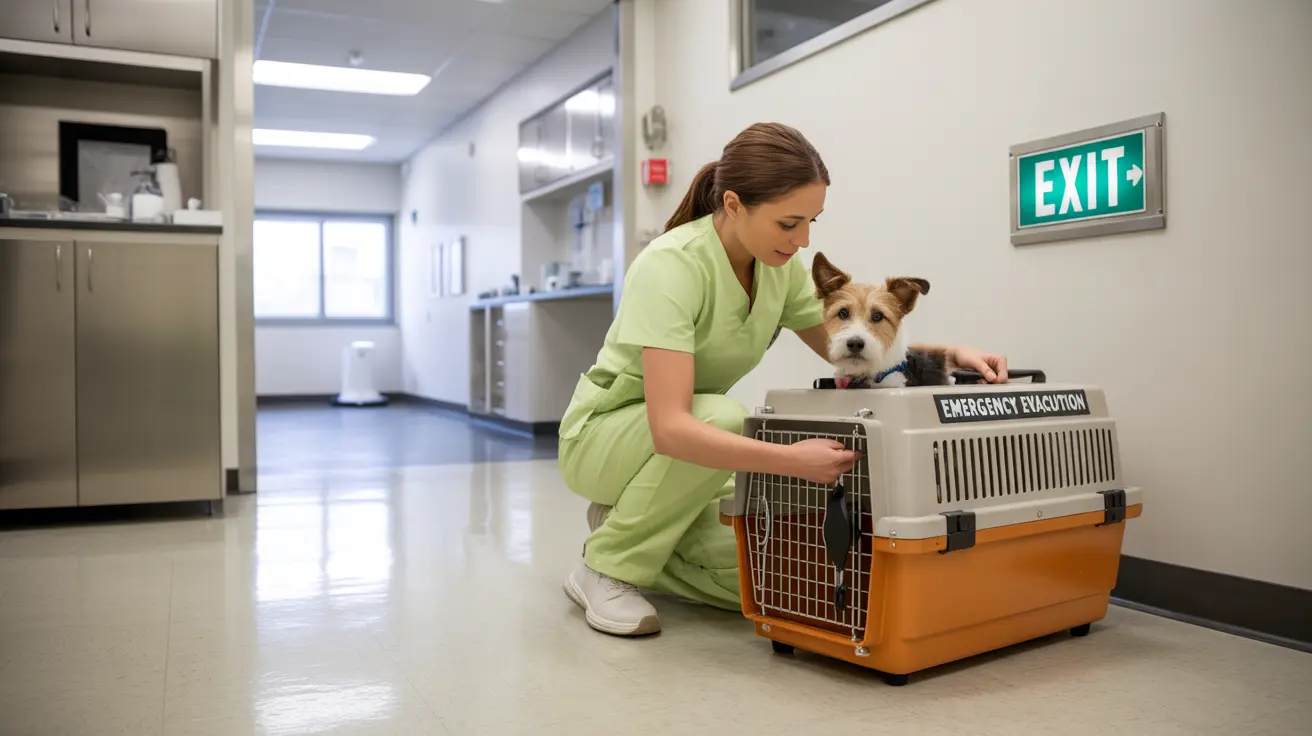
Emergency Evacuation Veterinary Facilities: The Critical Challenge
Veterinary facilities face unique evacuation challenges that differ significantly from other commercial buildings. Unlike human occupants who can quickly exit during an emergency, animals in veterinary care often require specialized handling, especially those under anesthesia, recovering from surgery, or in critical condition.
Professional veterinary staff must be prepared to execute swift evacuation procedures that prioritize both human and animal safety. This includes having designated staff members responsible for specific areas or types of animals, ensuring that portable carriers are readily available, and maintaining clear evacuation routes that can accommodate both walking animals and those requiring transport.
Planning for Animal-Specific Needs
Different animals require different evacuation approaches. Small animals like cats and rabbits can be quickly placed in carriers, while larger dogs may need leashes and multiple handlers. Exotic animals, birds, and wildlife often require specialized containment during evacuation. Veterinary facilities must develop comprehensive plans that account for these varied needs.
Fire Response Procedures Pet Hospitals Must Implement
Effective fire response procedures in pet hospitals begin long before any emergency occurs. These procedures should include immediate alerting of emergency services, systematic animal evacuation protocols, and coordination with local fire departments who understand the facility's layout and animal population.
Staff training is paramount. Every team member should know their specific role during a fire emergency, from who contacts emergency services to which staff members are responsible for evacuating animals from different areas of the facility. Regular drills help ensure these procedures become second nature, reducing panic and confusion during actual emergencies.
Coordination with Emergency Services
Veterinary facilities should establish relationships with local fire departments before emergencies occur. This includes providing facility layouts, information about typical animal populations, and access codes or keys. Some fire departments even conduct pre-planning visits to better understand the unique challenges these facilities present.
Animal Hospital Fire Prevention: Essential Safety Measures
Prevention remains the most effective approach to protecting animals and staff from fire hazards. Veterinary clinics should implement comprehensive fire prevention protocols that address the unique risks present in these environments.
Electrical systems require particular attention, as veterinary facilities use numerous electronic devices and heating elements that can pose fire risks. Regular electrical inspections, proper equipment maintenance, and careful monitoring of heating devices help reduce these hazards. Additionally, proper storage of flammable materials, including cleaning supplies and medications, is crucial.
Building Safety Features
Modern veterinary facilities should incorporate fire-resistant building materials, adequate exit routes, and properly maintained fire suppression systems. Smoke detection systems must be regularly tested and maintained, with backup power sources ensuring they remain functional during power outages.
Pet Owner Fire Safety Tips: Protecting Your Companion at Home
While veterinary fire safety is crucial, pet owners also play a vital role in protecting their animals from fire hazards at home. This includes maintaining working smoke alarms, keeping emergency supplies accessible, and developing family evacuation plans that include pets.
Pet owners should prepare emergency kits containing leashes, carriers, medications, and identification information for each pet. Having these supplies readily available can make the difference between a successful evacuation and a tragic loss during a home fire emergency.
Fire Damage Veterinary Clinics: Recovery and Community Impact
When veterinary facilities experience fire damage, the impact extends far beyond the building itself. The local pet community loses access to essential medical services, and animals receiving ongoing treatment may need to be relocated to other facilities for continued care.
Recovery efforts often require extensive coordination between veterinary professionals, insurance companies, and the broader pet care community. Temporary arrangements for patient care, staff relocation, and equipment replacement all become immediate priorities.
Frequently Asked Questions
What are the key fire safety measures for veterinary clinics?
Veterinary clinics should implement fire prevention protocols such as installing smoke detectors, maintaining fire extinguishers, ensuring proper electrical wiring, and conducting regular fire drills to protect staff and animals.
How should veterinary staff respond in the event of a fire?
Staff should follow established evacuation procedures, alert emergency services immediately, and ensure the safe removal of all animals and personnel from the premises.
What precautions can pet owners take to protect their pets from fire hazards?
Pet owners should ensure fire alarms are working, keep emergency supplies accessible, and have an evacuation plan in place for their animals.
What are common causes of fires in veterinary facilities?
Fires can be caused by electrical faults, equipment malfunctions, unattended candles, or improper storage of flammable materials.
What should pet owners do if their pet's veterinary clinic experiences a fire?
Pet owners should contact the clinic to learn about their pet's safety and recovery, follow evacuation instructions, and stay updated through official channels.
Moving Forward: Strengthening Fire Safety Standards
Wednesday's animal hospital fire serves as a crucial reminder that fire safety in veterinary clinics requires ongoing attention and investment. As pet parents, we can support facilities that prioritize comprehensive safety measures and advocate for strong fire safety standards throughout the veterinary industry.
By understanding these challenges and supporting proper fire safety protocols, we can help ensure that our beloved companions receive the safest possible care, even in emergency situations. Every pet deserves protection from fire hazards, whether at home or in professional care facilities.




