
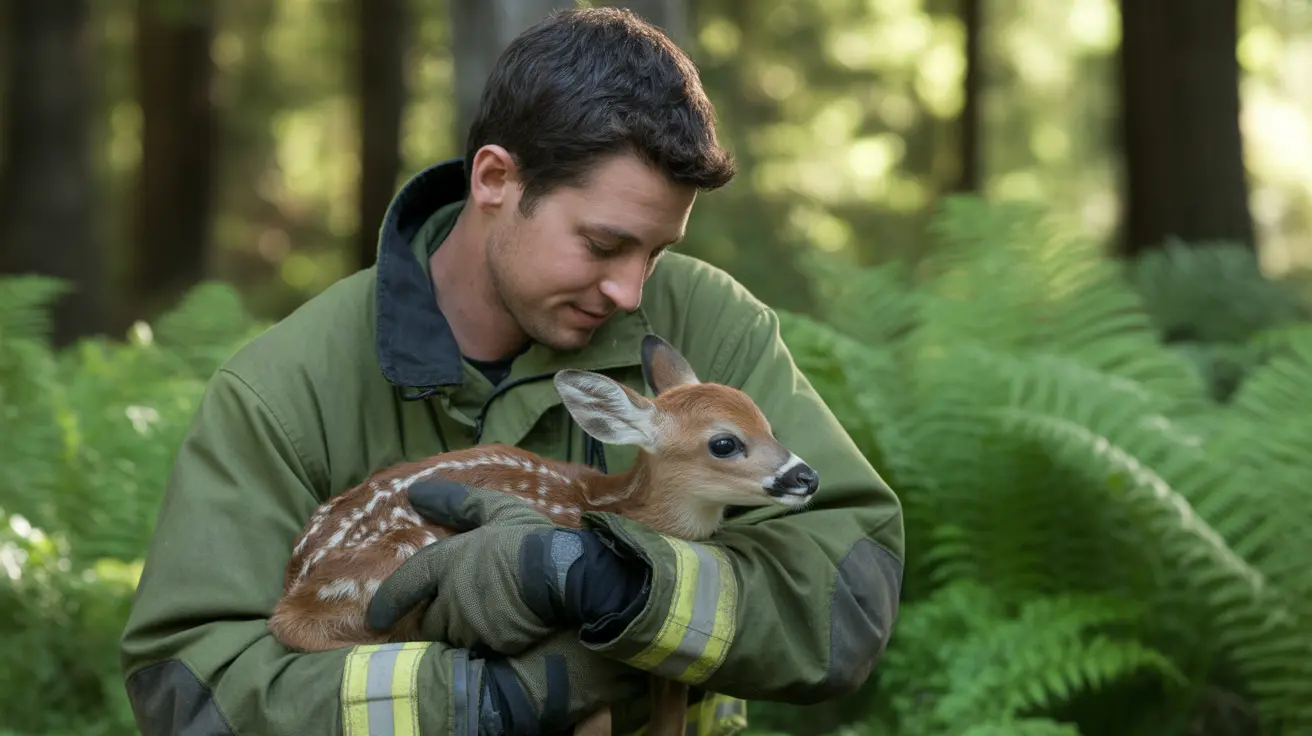
Flagler County Fire Rescue demonstrated exceptional wildlife rescue protocols during a busy 24-hour period that resulted in the successful rescue and reunion of a fawn with its mother. The heartwarming fawn rescue highlights the delicate balance between human intervention and natural wildlife behavior, providing valuable lessons for pet owners and wildlife enthusiasts throughout Florida.
The successful fawn reunion mother operation showcases how proper training and quick thinking can make the difference between life and death for young wildlife. This incident serves as a perfect example of when professional intervention is necessary and how communities can work together to protect Florida's diverse wildlife population.
Understanding Florida Fawn Season and Wildlife Encounters
Spring marks the beginning of Florida fawn season, when white-tailed deer give birth to their young across the state. During this critical time, well-meaning residents often encounter what appears to be a baby deer alone and assume the animal needs immediate rescue. However, understanding natural deer behavior is crucial before taking any action.
Mother deer typically leave their fawns hidden while they forage for food, returning periodically to nurse and care for their young. This natural behavior evolved as a survival mechanism, as fawn camouflage and their ability to remain motionless helps protect them from predators. The spots on a fawn's coat and their instinct to lie still make them nearly invisible in their natural environment.
When to Rescue Fawn: Professional Guidelines
Determining when intervention is necessary requires careful observation and knowledge of wildlife rescue protocols. The Flagler County animal rescue operation demonstrates the importance of having trained professionals assess each situation before taking action.
Signs of a Truly Orphaned Fawn Florida Wildlife
Several indicators suggest a fawn may genuinely need assistance. If a fawn is crying continuously for more than 12 hours, appears injured, or is in immediate danger from traffic or predators, professional help may be warranted. Additionally, if the mother deer has been confirmed deceased in the area, the fawn will require human intervention for survival.
Fire Rescue Wildlife Response Protocols
Professional wildlife rescue teams like Flagler County Fire Rescue follow specific protocols when responding to animal emergencies. These trained responders understand how to safely handle young wildlife while minimizing stress and maintaining the best chance for successful reunification with parents.
Urban Wildlife Encounters and Prevention
As residential areas expand into natural habitats, urban wildlife encounters become increasingly common. Pet owners and homeowners should understand how to coexist peacefully with local wildlife populations, especially during sensitive times like spring fawn rescues.
Creating wildlife-friendly spaces while maintaining safe boundaries for pets requires thoughtful planning. Keeping dogs leashed during fawn season and maintaining appropriate distances from wildlife helps protect both domestic and wild animals.
FWC Fawn Guidelines and Best Practices
The Florida Fish and Wildlife Conservation Commission provides clear guidance on wildlife interactions. Their recommendations emphasize the importance of observing from a distance and contacting professionals when intervention seems necessary. These guidelines help ensure that rescue efforts support rather than disrupt natural wildlife behaviors.
The Importance of Leave Fawn Alone Policies
One of the most challenging aspects of wildlife conservation is educating the public about when not to intervene. The instinct to help what appears to be an abandoned animal is natural, but premature intervention can separate healthy families and create unnecessary stress for wildlife.
Frequently Asked Questions
What should I do if I find a baby fawn alone in my yard?
First, observe from a distance without approaching the fawn. Mother deer often leave their young for several hours while foraging. Monitor the area for 12-24 hours before taking action. If the fawn appears injured, is crying continuously, or is in immediate danger, contact local wildlife authorities or fire rescue services like those in Flagler County.
When is it safe to rescue a fawn or young wildlife in Florida?
Rescue should only occur when the animal is clearly injured, in immediate danger, or confirmed to be orphaned. Professional wildlife rescue teams have the training and equipment necessary to safely handle these situations. Never attempt to capture or relocate wildlife without proper authorization and training.
Why do mother deer leave their fawns alone and what are the signs of an orphaned fawn?
Mother deer naturally leave fawns hidden while they forage, returning periodically to nurse. Signs of a truly orphaned fawn include continuous crying for more than 12 hours, visible injuries, presence near a deceased adult deer, or the fawn following humans or domestic animals seeking attention.
Conclusion
The successful Flagler County Fire Rescue operation demonstrates how proper wildlife rescue protocols can result in positive outcomes for both animals and communities. By understanding natural wildlife behaviors and knowing when to seek professional help, residents can play a vital role in protecting local wildlife populations.
This heartwarming rescue story serves as a reminder that sometimes the best help we can provide is knowing when not to intervene, while being prepared to contact trained professionals when genuine emergencies arise. Share this knowledge with fellow pet owners and wildlife enthusiasts to help protect Florida's precious fawn populations throughout the spring season.




