
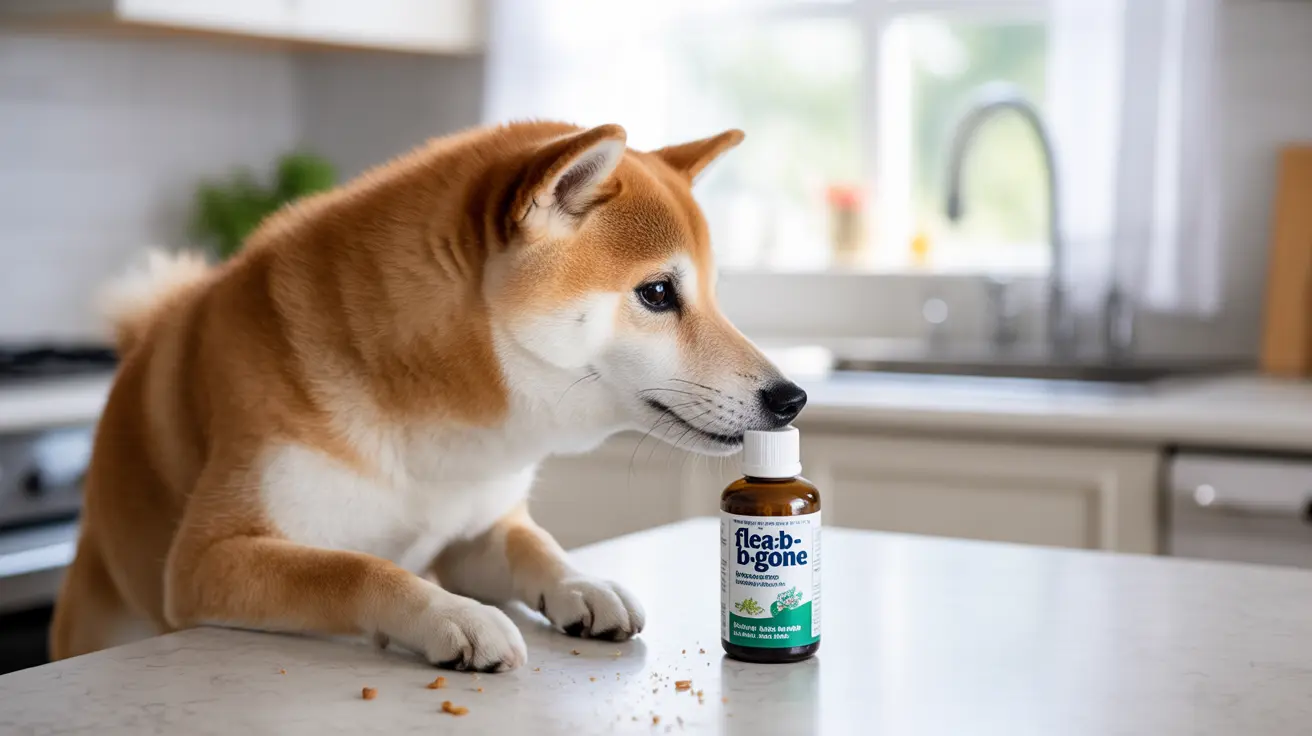
After this date, the active ingredients that kill fleas, ticks, and other parasites may degrade, reducing the treatment’s effectiveness. Using expired flea medicine can leave your pet vulnerable to infestations and may even cause skin irritation or other adverse reactions.
Manufacturers determine expiration dates through stability testing, which measures how long the active ingredients maintain their intended strength under specific storage conditions. Factors such as temperature, humidity, and exposure to light can accelerate the breakdown of these ingredients. For example, topical treatments that rely on insect growth regulators or neurotoxins may lose their potency faster if stored in a warm or humid environment. Understanding these factors helps pet owners make informed decisions about when to replace old medications and how to store them properly.
Recognizing the importance of expiration dates is the first step toward responsible pet care. By ensuring that your pet’s flea medicine is within its effective period, you not only protect your animal from discomfort but also prevent infestations from spreading throughout your home. This awareness sets the stage for learning how to identify expired products and what to do if you discover that your pet’s medication is no longer safe to use.
How to Identify Expired or Ineffective Flea Medicine
Checking the expiration date is the most straightforward way to determine whether flea medicine is still safe to use. The date is usually printed on the box, tube, or blister pack, often near the lot number. However, sometimes packaging can fade or become damaged, making it difficult to read. In such cases, it’s best to contact the manufacturer or your veterinarian for guidance rather than risk using a questionable product. Even if the expiration date appears valid, other signs may indicate that the medicine has deteriorated.
Changes in color, consistency, or smell are common indicators that a product is no longer stable. For example, a topical liquid that appears cloudy or has separated into layers may have lost its chemical balance. Similarly, tablets that crumble easily or have an unusual odor could be past their prime. Using such products can result in uneven dosing, which may fail to kill fleas effectively or cause irritation to your pet’s skin. Always inspect the product before application, especially if it has been stored for several months.
In addition to physical changes, a lack of results can also signal that the medicine is no longer effective. If your pet continues to scratch excessively or you notice live fleas after treatment, the product may have lost potency. In these cases, discontinue use immediately and consult your veterinarian for a replacement. This proactive approach ensures that your pet remains protected and that infestations are controlled before they worsen.
Proper Storage to Extend Flea Medicine Shelf Life
Even the best flea medicine can lose its effectiveness if stored improperly. Most manufacturers recommend keeping these products in a cool, dry place away from direct sunlight. Extreme temperatures—either too hot or too cold—can alter the chemical composition of the active ingredients. For instance, storing topical treatments in a bathroom cabinet where humidity fluctuates can shorten their shelf life. Similarly, leaving medication in a car during summer can cause it to overheat and degrade rapidly.
To maximize the longevity of flea medicine, store it in its original packaging, which is designed to protect the contents from moisture and light. Avoid transferring liquids or tablets into other containers, as this can expose them to air and contaminants. If you have multiple pets, label each product clearly to prevent mix-ups, since dosages vary by species and weight. Keeping a small log of purchase and opening dates can also help you track when it’s time to replace older stock.
Proper storage not only preserves the medicine’s potency but also ensures safety for your household. Many flea treatments contain chemicals that can be harmful if ingested by children or other animals. Always store these products out of reach and dispose of expired or unused medicine responsibly. By maintaining good storage habits, you can extend the usefulness of your flea control products and reduce unnecessary waste.
Risks of Using Expired Flea Medicine
Using expired flea medicine might seem harmless, especially if the product looks and smells normal, but the risks can be significant. The most immediate concern is reduced effectiveness. When the active ingredients degrade, they may no longer kill fleas or prevent eggs from hatching. This can lead to a resurgence of infestations, causing discomfort for your pet and frustration for you. In severe cases, untreated infestations can lead to anemia, allergic reactions, or secondary infections in pets.
Another risk involves potential side effects. As chemical compounds break down, they can form byproducts that irritate the skin or cause allergic reactions. Pets with sensitive skin or underlying health conditions are particularly vulnerable. Applying an expired topical treatment might result in redness, itching, or even chemical burns. Ingested medications, such as oral flea preventatives, can upset your pet’s digestive system or interact unpredictably with other medications.
Beyond health concerns, expired flea medicine can also have environmental consequences. Improper disposal—such as pouring liquids down the drain or tossing tablets into the trash—can introduce harmful chemicals into water systems. To minimize these risks, always follow local guidelines for medication disposal or return unused products to your veterinarian for safe handling. Understanding these dangers underscores why it’s essential to replace expired flea medicine promptly and use only products that are within their recommended shelf life.
When and How to Replace Flea Medicine
Knowing when to replace flea medicine is crucial for maintaining consistent protection. As a general rule, check your pet’s flea prevention products every few months, especially before the start of flea season. If the expiration date is approaching or the packaging shows signs of damage, it’s best to purchase a new supply. Veterinarians often recommend buying only as much as you’ll use within a year to avoid stockpiling products that may expire before you need them.
When replacing flea medicine, consider your pet’s current health status, age, and weight. These factors can influence which product is most appropriate. For example, a puppy or kitten may require a different formulation than an adult pet. Consult your veterinarian to ensure that the new product is safe and effective for your animal’s specific needs. They can also recommend alternative brands or delivery methods, such as topical treatments, oral tablets, or collars, depending on your lifestyle and your pet’s tolerance.
To make the replacement process easier, keep a simple checklist of your pet’s medications and their expiration dates. This helps you stay organized and ensures that you never run out of protection. Some pet owners also set reminders on their phones or calendars to check expiration dates regularly. By staying proactive, you can maintain a consistent defense against fleas and other parasites throughout the year.
Keeping Your Pet Protected Year-Round
Flea medicine expiration may seem like a small detail, but it plays a major role in your pet’s overall health and comfort. Expired products can lose potency, cause irritation, or fail to prevent infestations, leaving your pet vulnerable to discomfort and disease. By understanding how to identify, store, and replace flea medicine properly, you can ensure that your pet remains protected year-round. Regularly checking expiration dates and consulting your veterinarian for guidance are simple yet powerful steps toward responsible pet ownership.
Ultimately, maintaining effective flea control is about more than just convenience—it’s about safeguarding your pet’s well-being and your household’s hygiene. With proper care, attention, and timely replacement of flea medications, you can provide your furry companion with the protection they deserve, ensuring a happier, healthier life free from pests.
FAQ
How long does flea medicine usually last before it expires?
Most flea medicines have a shelf life of two to three years from the date of manufacture, though this can vary depending on the brand and formulation. Always check the packaging for the printed expiration date, as it reflects the period during which the manufacturer guarantees full potency. Once opened, some products—especially liquid or topical treatments—may have a shorter effective period due to exposure to air and moisture. To ensure maximum protection, store the medicine properly and replace it once it nears expiration.
Can I use flea medicine a few months after it expires?
Using flea medicine even slightly past its expiration date is not recommended. The active ingredients may have degraded, reducing the product’s ability to kill or repel fleas effectively. In some cases, expired ingredients can also cause skin irritation or allergic reactions. It’s safer to dispose of the old product and purchase a new one. The cost of replacement is minimal compared to the potential health risks and the expense of treating a full-blown flea infestation.
What happens if I accidentally apply expired flea medicine to my pet?
If you’ve accidentally used expired flea medicine, monitor your pet closely for any signs of irritation, such as redness, itching, or unusual behavior. Wash off topical treatments with mild soap and water if applied recently. Contact your veterinarian for advice, especially if your pet shows discomfort or if you’re unsure about the product’s safety. While most expired medicines simply lose effectiveness, some can cause mild to moderate side effects depending on how the ingredients have degraded.
Does flea medicine expire faster once opened?
Yes, exposure to air, light, and moisture can accelerate the breakdown of active ingredients once a package is opened. For example, single-dose topical treatments are designed for immediate use, while multi-dose containers may have a shorter shelf life after opening. Always reseal containers tightly and store them according to the manufacturer’s instructions. If the product has been open for several months, check for changes in color, texture, or smell before applying it to your pet.
Can I store flea medicine in the refrigerator to make it last longer?
Refrigeration is not recommended unless the product label specifically instructs it. Most flea medicines are formulated to remain stable at room temperature, typically between 68°F and 77°F (20°C to 25°C). Storing them in the refrigerator can cause condensation, which may alter the chemical balance or damage packaging. Instead, keep flea medicine in a cool, dry cabinet away from direct sunlight and humidity for optimal preservation.
What’s the best way to dispose of expired flea medicine?
Do not pour expired flea medicine down the drain or throw it in the trash, as this can contaminate water sources and harm wildlife. The safest disposal method is to return unused or expired products to your veterinarian or a local pharmacy that accepts pet medication returns. If that’s not possible, mix the medicine with an undesirable substance like used coffee grounds or cat litter, seal it in a plastic bag, and place it in household waste according to local regulations.
Why does my pet still have fleas even after using unexpired medicine?
If your pet continues to have fleas despite using unexpired medicine, several factors could be at play. The infestation might be severe, requiring multiple treatments, or the product may not be suitable for your pet’s specific environment. Fleas can also live in carpets, bedding, and outdoor areas, so treating your home and yard is essential. Consult your veterinarian to ensure you’re using the correct dosage and product type, and follow a comprehensive flea control plan for best results.
Are natural or homemade flea remedies safer than commercial products?
While some natural remedies may help repel fleas, they are generally less effective than veterinarian-approved medications. Essential oils and herbal sprays can sometimes cause allergic reactions or toxicity in pets if used improperly. Commercial flea medicines undergo rigorous testing to ensure safety and efficacy when used as directed. If you prefer a more natural approach, discuss options with your veterinarian to find a safe and balanced solution that meets your pet’s needs.
Can expired flea medicine harm humans who handle it?
Expired flea medicine is unlikely to cause serious harm to humans through casual contact, but it’s still best to handle it with care. Chemical degradation can produce irritants that may cause mild skin or eye irritation. Always wear gloves when disposing of old products and wash your hands thoroughly afterward. Avoid inhaling fumes or touching your face during handling. Proper disposal and storage minimize any potential risks to both humans and pets.
How can I keep track of multiple pets’ flea medication schedules?
Managing flea prevention for several pets can be challenging, but organization helps. Create a chart or digital reminder system listing each pet’s name, medication type, dosage, and expiration date. Update it whenever you purchase new products or administer treatments. Some pet care apps can send automatic reminders for reapplication dates. Keeping accurate records ensures that every pet receives timely protection and that no expired products are accidentally used.




