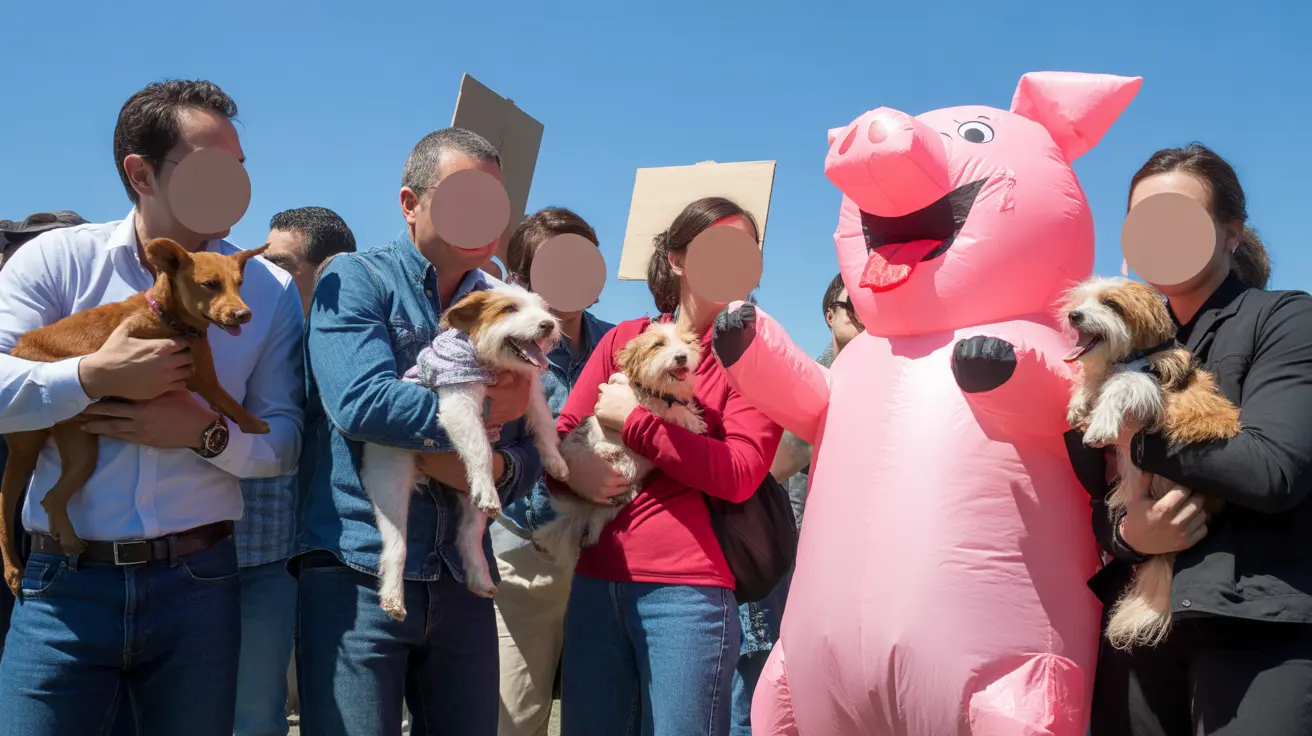
The ongoing Florida shelter overcrowding crisis has taken an unexpected turn as the Humane Society's decision to import puppies has drawn sharp criticism from animal activists. With animal surrenders on the rise and local shelters struggling to cope with too many pets, the practice of bringing in animals from outside the region has ignited debate about priorities and resources in the pet rescue community.
This controversy highlights the complex challenges facing animal welfare organizations across Tampa Bay and throughout Florida, where shelters are grappling with capacity issues while trying to maintain their life-saving missions. The situation has raised important questions about adoption strategies, resource allocation, and the most effective approaches to addressing pet overpopulation.
Rising Pet Surrender Crisis in Florida
Florida animal shelters are experiencing unprecedented strain as pet surrender rates continue to climb. The combination of economic pressures, housing instability, and post-pandemic lifestyle changes has created a perfect storm for animal welfare organizations throughout the state.
Many families who adopted pets during the pandemic are now facing difficult decisions as circumstances change. Job losses, housing restrictions, and unexpected veterinary costs are among the primary factors driving pet surrenders in the Tampa Bay area and beyond.
The Puppy Import Controversy
The Humane Society's decision to import puppies while local shelters operate at or beyond capacity has sparked heated discussions within the animal welfare community. Critics argue that resources should focus on finding homes for animals already in the local shelter system rather than bringing in additional pets from other regions.
Supporters of puppy import programs contend that these initiatives help meet demand for younger animals while potentially freeing up resources for harder-to-place local pets. However, this approach has raised ethical questions about priorities and the most effective use of limited shelter resources.
Understanding Shelter Capacity Challenges
No-kill shelters face particular pressure as they strive to maintain their life-saving policies while managing overwhelming intake numbers. When shelters reach capacity, difficult decisions must be made about accepting new animals, leading to waiting lists and emergency placements.
The strain on shelter staff and volunteers intensifies during capacity crises, as each animal requires adequate space, medical care, behavioral support, and socialization. Overcrowding can compromise animal welfare and reduce adoption success rates.
Supporting Local Adoption Efforts
Pet owners considering adoption can help address shelter overcrowding by prioritizing local animals in need. Visiting nearby shelters, fostering animals temporarily, and spreading awareness about adoptable pets all contribute to reducing capacity pressures.
Spay and neuter programs remain critical for long-term population control. Supporting these initiatives through donations, volunteering, or utilizing low-cost services helps prevent future overpopulation issues.
Prevention and Community Solutions
Addressing the root causes of pet surrenders requires community-wide efforts. Pet retention programs, emergency veterinary assistance, temporary fostering during housing transitions, and behavioral support services can help families keep their animals during challenging times.
Education about responsible pet ownership, including realistic expectations about costs and commitment, helps prevent impulsive adoptions that may lead to future surrenders. Prospective pet owners should carefully consider their long-term ability to care for an animal.
The Path Forward for Animal Welfare
Resolving Florida's shelter overcrowding crisis requires balanced approaches that address both immediate needs and long-term solutions. Collaboration between rescue organizations, veterinary professionals, local governments, and community members is essential for creating sustainable improvements.
Transparency in shelter operations and import decisions helps build public trust and support. Clear communication about resource allocation and organizational priorities allows donors and volunteers to make informed decisions about their contributions.
Frequently Asked Questions
- Why are Florida animal shelters so overcrowded in 2026?
Florida shelters are experiencing overcrowding due to rising pet surrenders caused by economic pressures, housing restrictions, and post-pandemic lifestyle changes. Many families are facing difficult decisions about pet ownership as circumstances change.
- Should I adopt a local shelter dog or an imported puppy in Tampa Bay?
Consider adopting from local shelters first to help address overcrowding in your community. Local shelters have many wonderful animals of all ages waiting for homes, and your adoption directly impacts capacity issues in your area.
- How can I help reduce overcrowding in Tampa Bay animal shelters?
You can help by adopting or fostering local animals, volunteering at shelters, supporting spay/neuter programs, donating supplies or funds, and spreading awareness about adoptable pets. Consider temporary fostering to free up shelter space during peak intake periods.
Moving Forward Together
The debate over puppy imports versus local adoption priorities reflects broader challenges in animal welfare. As communities work toward solutions, the focus must remain on maximizing life-saving efforts while addressing the underlying causes of pet overpopulation. Every adoption, volunteer hour, and donation contributes to creating a more sustainable future for animals in need.