
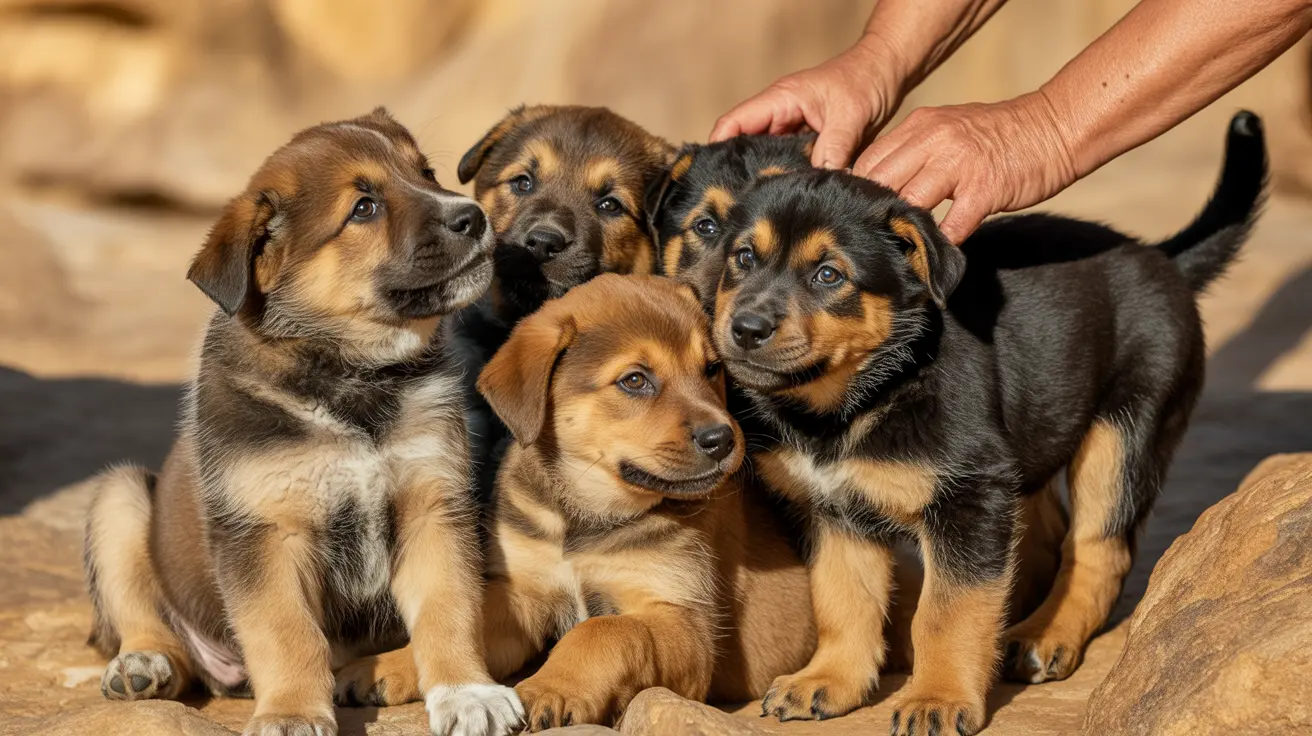
A dedicated nonprofit organization has received international recognition for its groundbreaking efforts to provide veterinary care to animals across the Navajo Nation. This acknowledgment highlights the critical work being done to address the significant healthcare gaps faced by pets and their families in one of America's most underserved regions.
The recognition brings much-needed attention to the challenges of delivering quality animal healthcare in remote tribal communities, where geographic barriers and limited resources have historically made veterinary services difficult to access. For pet owners across the Navajo Nation, this nonprofit's work represents a lifeline for their beloved animals.
Addressing the Veterinary Shortage Native American Communities Face
The Navajo Nation spans over 27,000 square miles across Arizona, New Mexico, and Utah, making it larger than many U.S. states. This vast territory presents unique challenges for delivering veterinary care, particularly when combined with limited infrastructure and economic constraints that many tribal communities experience.
Rural and remote areas often struggle with veterinary shortages, but the situation is particularly acute in Native American communities. The combination of geographic isolation, limited transportation options, and economic factors creates barriers that prevent many pet owners from accessing regular veterinary care for their animals.
Mobile Veterinary Services Tribal Lands Desperately Need
The nonprofit's approach centers on bringing services directly to communities rather than expecting pet owners to travel long distances to reach care. Mobile veterinary clinics have proven effective in reaching underserved populations, providing essential services like vaccinations, spay and neuter procedures, and basic medical care.
These mobile units can navigate challenging terrain to reach remote communities, making veterinary care accessible to pets that might otherwise go without medical attention. The model demonstrates how innovative service delivery can overcome traditional barriers to healthcare access.
Free Pet Clinics Navajo Nation Communities Rely On
Cost remains a significant barrier to veterinary care for many families. Free and low-cost clinics help ensure that financial constraints don't prevent pets from receiving necessary medical attention. These services typically include preventive care, emergency treatment, and educational resources for pet owners.
Community-based clinics also provide opportunities for pet owners to learn about proper animal care, nutrition, and disease prevention. This educational component helps extend the impact of veterinary visits beyond immediate medical needs.
Spay Neuter Navajo Nation Programs Make a Difference
Population control programs play a crucial role in improving animal welfare across tribal lands. Spaying and neutering services help reduce the number of unwanted animals while also providing health benefits for individual pets.
These programs require sustained effort and community engagement to be effective. By offering these services at no cost, organizations can make a significant impact on both animal welfare and public health within communities.
Stray Dog Population Navajo Nation Solutions
Overpopulation of stray and feral animals creates challenges for both animal welfare and community safety. Comprehensive approaches that combine spay/neuter services with community education and support help address root causes rather than just symptoms.
Effective stray animal management requires collaboration between veterinary professionals, community leaders, and residents. Programs that respect cultural values while promoting animal welfare tend to achieve the most sustainable results.
Animal Welfare Tribal Communities Deserve
Recognition of this nonprofit's work highlights the importance of culturally sensitive approaches to animal welfare. Successful programs in tribal communities often incorporate traditional values and practices while providing modern veterinary care.
Building trust and relationships within communities takes time and commitment. Organizations that demonstrate long-term dedication to serving specific communities often achieve the greatest impact and sustainability.
Frequently Asked Questions
How can I get free or low-cost veterinary care for my pet on the Navajo Nation?
Contact local tribal health departments or community centers for information about scheduled mobile clinic visits and available services. Many nonprofit organizations provide regular clinics in different communities throughout the year.
Why are there so few veterinarians serving the Navajo Nation, and what is being done about it?
Rural and remote areas face veterinary shortages due to geographic challenges, limited infrastructure, and economic factors. Organizations are addressing this through mobile clinics, telemedicine initiatives, and programs that bring services directly to communities.
What services do mobile veterinary clinics provide to pets in remote Navajo communities?
Mobile clinics typically offer vaccinations, spay and neuter procedures, basic medical exams, emergency care, and educational resources for pet owners. Services may vary depending on the specific organization and available resources.
How does spaying and neutering help reduce the stray animal population on the Navajo Nation?
Spay and neuter procedures prevent unwanted litters, which helps control population growth over time. These programs work best when combined with community education and ongoing support for pet owners.
The global recognition earned by this nonprofit demonstrates the power of dedicated service and innovative approaches to veterinary care. Their work not only improves the lives of animals across the Navajo Nation but also strengthens the bonds between pets and their families in these communities.




