
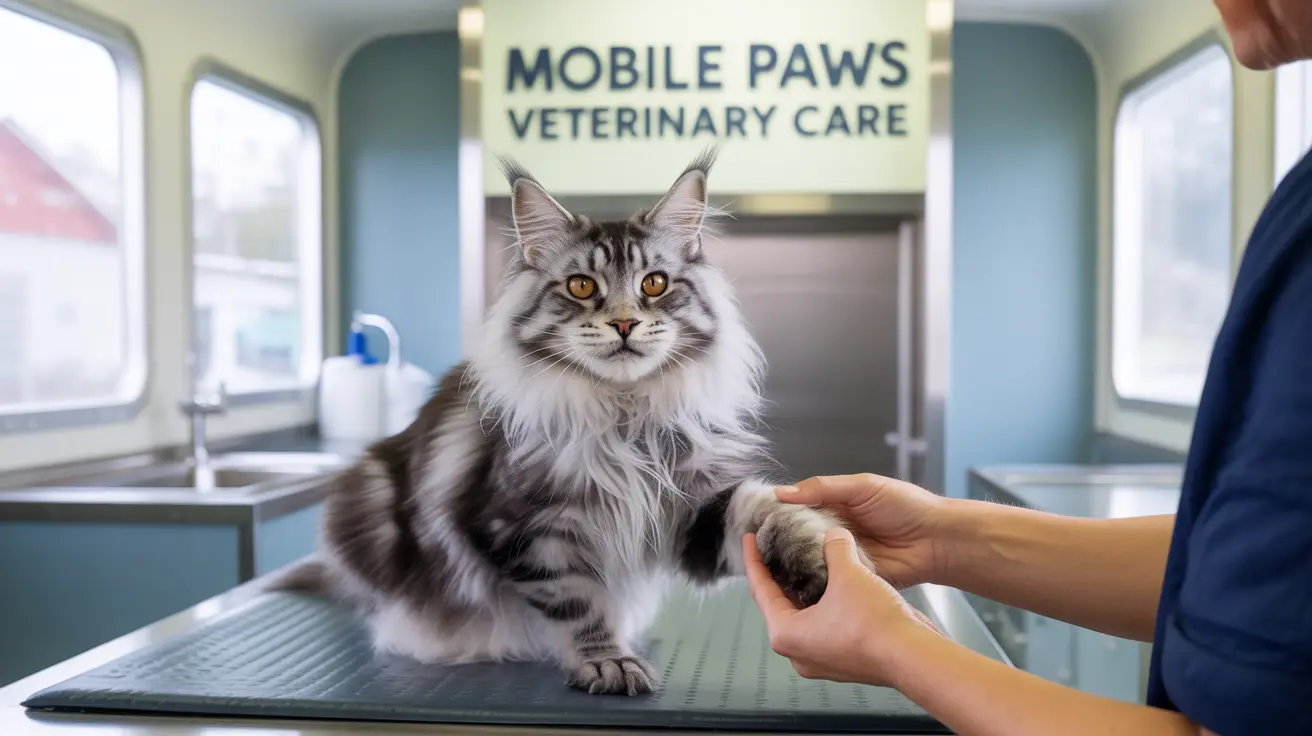
Communities have begun to recognize that addressing this issue requires more than sporadic rescue efforts—it demands organized, accessible veterinary care. Free vet care programs for stray cats are emerging as a compassionate and practical solution, offering medical treatment, vaccinations, and sterilization services that benefit both the animals and the neighborhoods they inhabit.
Stray cats often face harsh conditions that compromise their health. Without vaccinations, they are vulnerable to feline leukemia, rabies, and respiratory infections. Injuries from fights or accidents frequently go untreated, and unsterilized cats contribute to overpopulation cycles that overwhelm shelters. By providing free or low-cost veterinary services, local governments and nonprofit organizations aim to break this cycle. These initiatives not only improve the welfare of individual cats but also reduce public health risks and promote coexistence between humans and urban wildlife.
The growing awareness of animal welfare has inspired partnerships between veterinarians, animal shelters, and community volunteers. These collaborations ensure that stray cats receive essential care while educating the public about responsible pet ownership. As more people understand the importance of spaying, neutering, and vaccinating, the long-term impact of these programs becomes increasingly visible. The next sections explore how these initiatives operate, who supports them, and how individuals can get involved in sustaining this compassionate movement.
How Free Vet Care Programs Operate
Free veterinary care programs for stray cats typically function through a combination of public funding, charitable donations, and volunteer labor. Many are structured around the “Trap-Neuter-Return” (TNR) model, a humane approach that captures stray cats, provides them with medical treatment and sterilization, and then returns them to their original environment. This method stabilizes cat populations over time and prevents the birth of new litters that would otherwise struggle to survive. Clinics participating in these programs often hold scheduled community days where residents can bring in stray cats for free checkups and vaccinations.
These programs rely heavily on collaboration. Local veterinarians donate their time or offer discounted services, while animal welfare organizations supply traps, carriers, and recovery spaces. Municipal governments may contribute by funding spay and neuter surgeries or offering tax incentives to participating clinics. In some regions, mobile veterinary units travel to underserved areas, ensuring that even remote communities can access essential care for stray animals. This flexibility allows programs to adapt to different population densities and resource levels, making them effective across diverse settings.
Transparency and community engagement are key to sustaining these efforts. Organizers often publish reports detailing the number of cats treated, sterilized, and released, helping donors and residents see tangible results. Educational outreach accompanies these programs, teaching residents how to identify stray cats, safely trap them, and recognize signs of illness. By empowering communities with knowledge and resources, free vet care initiatives transform passive concern into active participation, creating a network of advocates for animal welfare.
Key Benefits of Providing Free Veterinary Care
The advantages of offering free veterinary care for stray cats extend far beyond the immediate health of the animals. When stray populations are managed responsibly, communities experience fewer nuisances such as nighttime noise, property damage, and territorial marking. Moreover, sterilized cats tend to live healthier, calmer lives, reducing aggressive behaviors that can lead to injuries or disease transmission. These programs also lessen the burden on animal shelters, which often struggle with overcrowding and limited budgets.
From a public health perspective, vaccination and disease control are crucial outcomes. Stray cats can carry parasites and zoonotic diseases that pose risks to humans and pets. Regular veterinary interventions significantly reduce these dangers. Additionally, the presence of healthy, sterilized cat colonies helps maintain ecological balance by controlling rodent populations without the need for harmful poisons or traps. This natural pest management contributes to cleaner, safer neighborhoods for everyone.
- Reduction in stray cat overpopulation through sterilization programs.
- Improved community health by controlling disease spread.
- Lower shelter intake rates and euthanasia numbers.
- Enhanced public awareness about animal welfare and responsible pet ownership.
- Positive environmental impact through natural pest control.
These benefits demonstrate that free vet care programs are not merely charitable acts—they are strategic investments in community well-being. By addressing the root causes of stray cat overpopulation, they create sustainable improvements that ripple through neighborhoods, benefiting both animals and people alike.
Funding and Support Behind the Initiatives
Financing free veterinary care for stray cats requires creativity and collaboration. Many programs receive partial funding from municipal budgets, recognizing that proactive animal control is more cost-effective than reactive measures. Nonprofit organizations and animal welfare foundations often supplement these funds through grants and public donations. Crowdfunding campaigns and local fundraising events, such as adoption fairs or charity runs, also play a vital role in sustaining operations. Every contribution, whether financial or volunteer-based, helps ensure that these services remain accessible to the communities that need them most.
Corporate partnerships have become another important source of support. Pet food companies, veterinary supply manufacturers, and local businesses frequently donate products or sponsor specific initiatives. In return, they gain positive public visibility and demonstrate corporate social responsibility. Some veterinary schools also participate by allowing students to gain hands-on experience under supervision, expanding the workforce available for large-scale spay and neuter events. This synergy between education, business, and community service strengthens the overall impact of the programs.
Transparency in financial management builds trust among donors and participants. Reputable organizations publish annual reports detailing expenditures, treatment statistics, and success stories. This accountability encourages continued investment and inspires other communities to replicate successful models. As awareness spreads, more regions are adopting similar frameworks, proving that compassion and practicality can coexist in addressing the challenges of stray animal care.
How Individuals Can Get Involved
While large organizations and governments play a central role, individual participation remains the heart of every successful stray cat care initiative. Residents can contribute in numerous ways, from volunteering at clinics to fostering cats awaiting adoption. Learning how to safely trap and transport stray cats for treatment is another valuable skill that empowers citizens to take direct action. Even small gestures, such as providing food and water stations or building simple shelters, can dramatically improve the lives of outdoor cats during harsh weather conditions.
Community education is equally vital. By spreading awareness about the importance of spaying and neutering, individuals can help prevent future generations of stray cats from being born into hardship. Social media campaigns, neighborhood meetings, and school programs all serve as effective platforms for advocacy. Encouraging responsible pet ownership—such as keeping cats indoors or ensuring they are microchipped—further reduces the number of animals that end up on the streets.
- Volunteer at local TNR or vaccination events.
- Donate supplies like food, traps, or blankets to shelters.
- Report injured or sick stray cats to animal welfare organizations.
- Educate neighbors about sterilization and vaccination benefits.
- Support fundraising efforts through donations or event participation.
Every action, no matter how small, contributes to a larger movement of compassion and responsibility. When individuals unite under a shared goal of humane treatment, communities become safer, healthier, and more harmonious for both people and animals. The collective effort of volunteers, donors, and advocates ensures that free vet care programs continue to thrive and expand.
Building a Compassionate Future for Stray Cats
The rise of free veterinary care programs for stray cats marks a significant step toward more humane and sustainable animal management. These initiatives address immediate medical needs while tackling long-term issues like overpopulation and disease control. Through collaboration among governments, nonprofits, veterinarians, and citizens, communities are proving that compassion can drive effective change. The success of these programs demonstrates that when people invest in animal welfare, they also invest in the health and harmony of their neighborhoods.
Looking ahead, continued education, funding, and volunteer engagement will be essential to maintaining progress. As awareness grows, more regions are likely to adopt similar models, creating a global network of care and responsibility. By supporting free vet care for stray cats, society takes a meaningful step toward a future where every animal receives the respect and protection it deserves.
FAQ
Why are free vet care programs important for stray cats?
Free vet care programs are essential because they provide medical attention to cats that would otherwise go untreated. Stray cats often suffer from injuries, infections, and malnutrition. By offering vaccinations, sterilization, and basic health checks, these programs reduce disease transmission, control overpopulation, and improve the overall well-being of both animals and communities. They also help prevent the spread of zoonotic diseases that can affect humans and pets, making them a vital component of public health management.
What is the Trap-Neuter-Return (TNR) method?
The Trap-Neuter-Return method is a humane approach to managing stray cat populations. It involves safely trapping cats, taking them to a veterinary clinic for sterilization and vaccination, and then returning them to their original environment. This process prevents new litters from being born while allowing existing cats to live healthier lives. Over time, TNR stabilizes and gradually reduces stray populations without resorting to euthanasia, making it one of the most effective long-term strategies for community cat management.
Who funds free veterinary care programs for stray cats?
Funding typically comes from a mix of public and private sources. Municipal governments may allocate part of their animal control budgets to these programs, while nonprofit organizations and animal welfare groups raise additional funds through donations and grants. Corporate sponsors, veterinary schools, and local businesses often contribute resources or services. Community fundraising events and online campaigns also play a crucial role in keeping these programs operational and accessible to all.
Can individuals bring stray cats to free vet clinics?
Yes, many free vet care programs encourage residents to bring in stray cats for treatment. Some clinics operate on specific community days, while others require appointments to manage capacity. It’s important to contact the organization beforehand to learn about their procedures for trapping and transporting cats safely. Volunteers can often provide guidance or lend humane traps to ensure the process is stress-free for both the cat and the person helping.
What types of services do free vet care programs usually offer?
Most programs provide essential medical services such as spaying or neutering, vaccinations, parasite control, and treatment for minor injuries or infections. Some also offer microchipping to help identify cats if they are lost or relocated. In areas with mobile veterinary units, additional services like dental care or emergency treatment may be available. The goal is to address the most pressing health needs while preventing future medical and population issues.
How do these programs benefit local communities?
Communities benefit from reduced stray cat populations, fewer noise and odor complaints, and lower risks of disease transmission. Healthy, sterilized cats are less likely to fight, roam, or reproduce, leading to more stable and manageable colonies. Additionally, these programs foster a sense of civic pride and cooperation as residents work together to improve their environment. The presence of organized care initiatives also reflects positively on local governance and community values.
Are there risks associated with returning cats to their environment after treatment?
When managed properly, returning cats to their environment poses minimal risk. Cats are territorial animals, and returning them to familiar surroundings helps prevent new, unsterilized cats from moving in. Before release, veterinarians ensure that each cat is healthy and vaccinated. Volunteers often monitor colonies to provide food and observe for signs of illness. This ongoing care ensures that the cats remain safe and that the population remains stable over time.
How can I volunteer or support these programs?
There are many ways to get involved. You can volunteer at spay and neuter events, help trap and transport cats, or assist with administrative tasks at local shelters. Donations of money, food, or supplies are always appreciated. Spreading awareness through social media or community meetings also helps attract more supporters. Even small contributions—like fostering a cat or building outdoor shelters—can make a meaningful difference in sustaining these initiatives.
Do free vet care programs exist in rural areas?
Yes, although access may be more limited, many organizations operate mobile veterinary units that travel to rural or underserved regions. These mobile clinics provide the same essential services as urban facilities, ensuring that stray cats in remote areas receive care. Partnerships with local farmers, schools, and community centers often help coordinate these visits. Expanding rural outreach remains a key goal for many animal welfare groups seeking to make care universally available.
What can be done to ensure the long-term success of these initiatives?
Long-term success depends on consistent funding, public education, and community involvement. Encouraging responsible pet ownership—such as keeping cats indoors and ensuring they are sterilized—prevents new strays from appearing. Continued collaboration between governments, veterinarians, and volunteers ensures that programs remain sustainable. By maintaining transparency, celebrating successes, and adapting to local needs, communities can build lasting systems that protect both animals and people for generations to come.




