
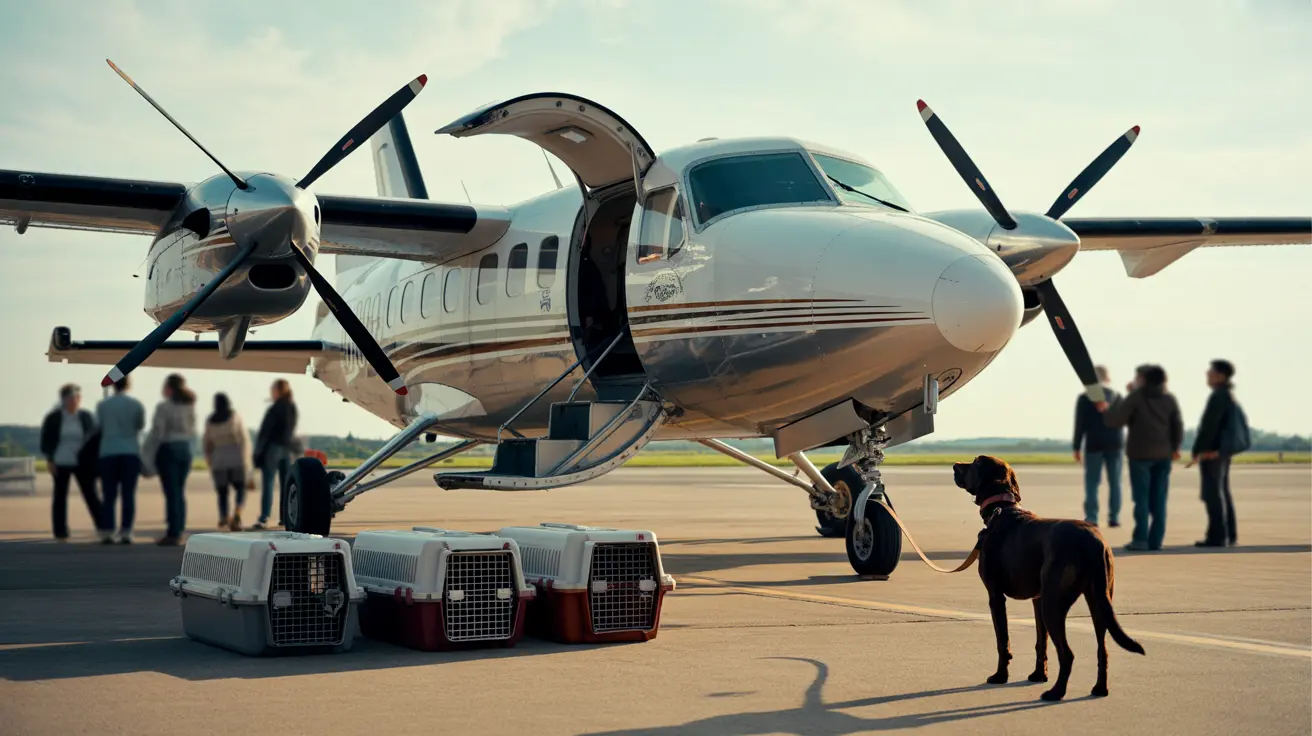
How Dog and Cat Air Transport Saves Lives
The concept behind these rescue flights is both simple and profound. Overcrowded shelters animal relocation programs connect facilities with limited resources to regions where adoptable pets are in higher demand. Southern and Appalachian shelters often face challenges with high stray populations and limited local adoption rates, while Northern states frequently have waiting lists of potential adopters seeking rescue pets.
Today's Tri-Cities shelter pet flight demonstrates this life-saving partnership in action. The volunteer pilots made the journey specifically to transport animals that might otherwise face uncertain futures due to shelter overcrowding. These missions typically target animals that have been evaluated as healthy, well-socialized, and ready for adoption.
The Impact of Wings of Rescue Style Missions
Organizations conducting these aerial rescues operate similarly to established groups like Wings of Rescue and other volunteer aviation networks. These missions require careful coordination between sending shelters, receiving rescue organizations, and the volunteer pilots who donate their time, aircraft, and fuel costs.
Each animal selected for transport undergoes health screenings and behavioral evaluations to ensure they're ready for the journey and subsequent adoption process. The receiving organizations in New Jersey and surrounding areas typically have established adoption programs and no-kill rescue partners for transported pets.
Supporting High Intake Low Adoption Shelters
The reality facing many regional shelters is a mathematical challenge: more animals arrive than can be placed in local homes. This disparity creates the need for innovative solutions like flying at-risk shelter dogs and cats to areas with greater adoption capacity.
These New Jersey pet rescue flights represent just one destination in a broader network of rescue partnerships. The pilots who volunteer for these missions often have backgrounds in aviation and deep commitments to animal welfare, combining their flying skills with their passion for helping pets in need.
How Pet Air Transport from South to North Makes a Difference
The geographical pattern of these rescues reflects regional differences in pet populations and adoption rates. Many Southern and Appalachian communities have higher rates of unspayed and unneutered pets, leading to larger homeless animal populations. Meanwhile, Northern metropolitan areas often have more resources for spay/neuter programs and higher demand for adoptable pets.
Today's mission from the Tri-Cities Airport to New Jersey follows this established pattern, moving animals from a region with surplus homeless pets to an area where they're more likely to find permanent homes quickly.
The Volunteer Network Behind Pet Rescue Flights
Pilots N Paws rescue flights and similar volunteer networks have revolutionized animal transport over the past decade. These aviators typically cover their own expenses, viewing their contributions as essential community service. The coordination required involves shelter staff, rescue organizations, volunteer coordinators, and the pilots themselves.
Each flight requires significant planning, from weather considerations to ensuring proper animal carriers and documentation. The animals travel in climate-controlled aircraft with experienced handlers who monitor their comfort throughout the journey.
Frequently Asked Questions
What are "freedom flights" for shelter pets and how do they help dogs and cats get adopted?
Freedom flights are volunteer-operated aircraft missions that transport shelter animals from overcrowded facilities to areas with higher adoption demand. These flights give pets access to rescue organizations and potential adopters in regions where they have better chances of finding permanent homes.
Why are pets flown from overcrowded Southern and Appalachian shelters to places like New Jersey and the Northeast?
Regional differences in pet populations and adoption rates create opportunities for strategic relocations. Southern regions often have higher homeless pet populations, while Northern areas frequently have more adoption resources and families seeking rescue animals.
How can I adopt a dog or cat that arrived in my area on a volunteer pet rescue flight?
Contact local rescue organizations and animal shelters in your area to inquire about transported animals. Many receiving organizations maintain websites and social media pages where they post information about newly arrived pets seeking homes.
Making Every Flight Count
The seventeen animals who took their freedom flight today represent more than just numbers—they're individual stories of second chances made possible by dedicated volunteers. As these pets begin their journeys toward new families, their rescue serves as a reminder of the collaborative effort required to address pet overpopulation.
For pet lovers inspired by these rescue efforts, supporting local animal shelters, spay and neuter programs, and volunteer pilot organizations helps ensure more animals can take their own flights to freedom in the future.




