
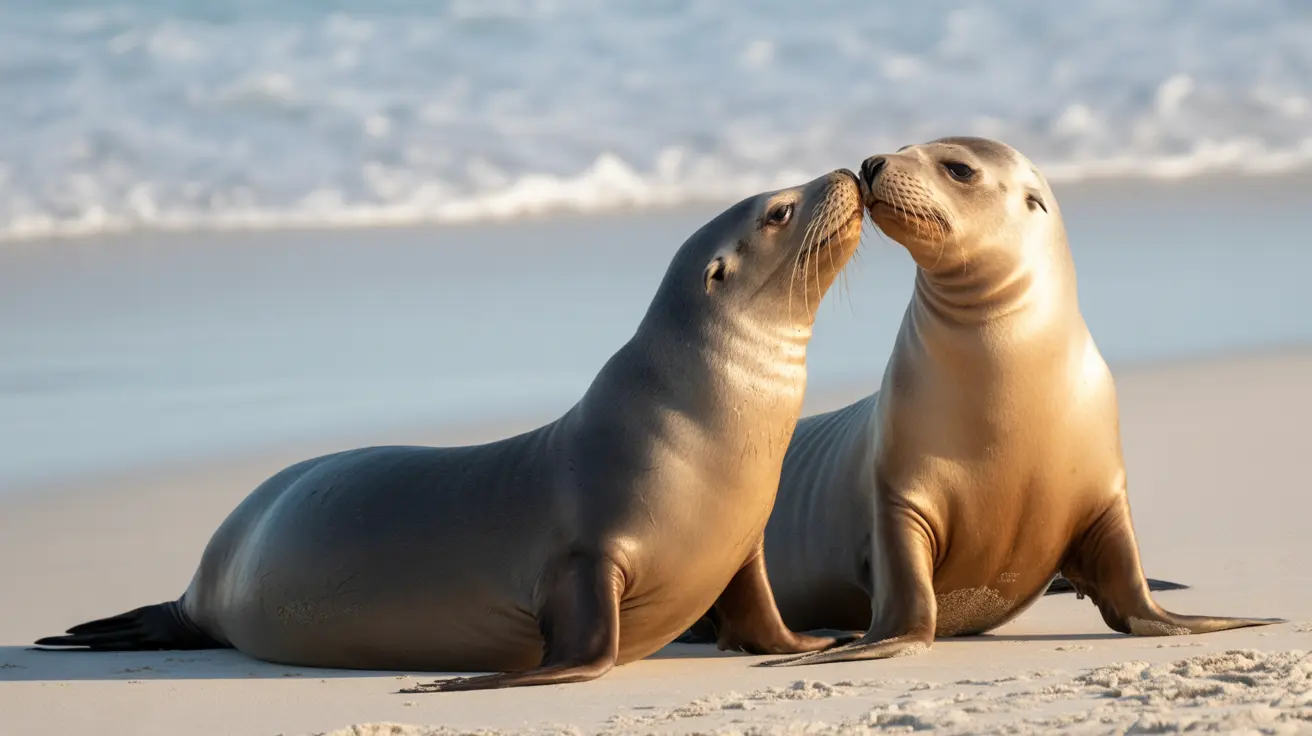
Galápagos Sea Lions Display Remarkable "Supersuckling" Behavior That Challenges Wildlife Expectations
The endangered Galápagos sea lions have captured the attention of marine biologists with their extraordinary nursing behavior that defies conventional understanding of wildlife weaning patterns. Recent research reveals that these remarkable marine mammals, known scientifically as Zalophus wollebaeki, continue nursing long after their offspring become capable of hunting, mating, and surviving independently.
Researchers have coined the term "supersucklers" to describe young sea lions that return to their mothers for milk even after reaching sexual maturity and demonstrating full self-sufficiency. This prolonged nursing sea lions behavior represents one of the most extended maternal dependencies observed in marine mammals, offering valuable insights for wildlife conservation efforts and our understanding of animal behavior.
This fascinating discovery highlights the complex social structures and survival strategies that have evolved among Galápagos marine mammals, particularly as these endangered species face mounting environmental pressures from climate change and human activity.
Understanding the Boomerang Nursing System
The boomerang nursing system observed in Galápagos sea lions represents a unique approach to offspring care that extends far beyond typical mammalian weaning patterns. Unlike most marine mammals that establish clear boundaries between dependent and independent life stages, these sea lions maintain flexible nursing relationships that can persist for years.
This extended maternal bond allows young sea lions to supplement their hunting efforts with reliable nutrition from their mothers, potentially providing crucial survival advantages during challenging environmental conditions. The behavior demonstrates the remarkable adaptability of these marine mammals in their isolated island ecosystem.
Sea Lion Sex Differences Weaning Patterns
One of the most striking aspects of this supersuckling behavior involves significant differences between male and female offspring. Lazy male sea lion pups show a pronounced tendency to maintain nursing relationships longer than their female counterparts, often returning to their mothers well into their adult years.
Female sea lions typically achieve independence earlier, developing hunting skills and establishing territories more quickly than males. This sex-based difference in sea lion weaning age may reflect evolutionary strategies that maximize survival success for each gender within the challenging Galápagos environment.
Male sea lions face greater territorial competition and may benefit from extended maternal support during their slower maturation process, while females often focus on developing the skills needed for their own future reproductive success.
Climate Change and Galápagos Sea Lion Conservation
The supersuckling behavior takes on added significance when viewed through the lens of Galápagos sea lion conservation efforts. As climate change continues to impact ocean temperatures and food availability around the Galápagos Islands, extended nursing relationships may serve as crucial survival adaptations.
Endangered Galápagos sea lions face increasing challenges from warming waters that affect fish populations and alter traditional feeding grounds. The ability to maintain maternal nutritional support may help young sea lions navigate these environmental uncertainties while developing their independent survival skills.
Conservation biologists recognize that understanding these complex behavioral adaptations is essential for developing effective protection strategies for this unique species.
The Sea Lion Mother Offspring Bond
The strength and duration of the sea lion mother offspring bond observed in Galápagos populations demonstrates remarkable social intelligence among these marine mammals. Mothers can recognize their offspring among large colonies and continue to provide care decisions based on individual needs and circumstances.
This sophisticated recognition system allows for flexible caregiving that responds to environmental conditions, offspring health, and resource availability. The behavior suggests that Galápagos sea lion pups benefit from extended learning periods during which they can observe maternal hunting techniques and social behaviors.
Frequently Asked Questions
Why do Galápagos sea lions nurse their young for years after they can hunt and mate? This supersuckling behavior likely provides survival advantages by offering reliable nutrition during challenging environmental periods. Extended nursing allows young sea lions to supplement their hunting efforts while continuing to develop crucial survival skills in the demanding Galápagos ecosystem.
What are supersucklers in Galápagos sea lions and how long do they suckle? Supersucklers are young sea lions that continue nursing from their mothers even after reaching sexual maturity and independence. While specific durations vary, this behavior can persist for several years, representing one of the longest maternal dependencies observed in marine mammals.
Why do male Galápagos sea lion pups stay dependent on mother's milk longer than females? Male sea lions face greater territorial competition and typically mature more slowly than females. Extended maternal support may help them navigate the challenges of establishing territories and developing the physical strength needed for reproductive success.
Conclusion
The supersuckling behavior of Galápagos sea lions reveals the remarkable adaptability and complex social structures that characterize these endangered marine mammals. As researchers continue studying this unique nursing system, their findings contribute valuable insights for conservation efforts and our broader understanding of wildlife behavior.
These discoveries remind us that wildlife often develops sophisticated survival strategies that challenge our assumptions about animal behavior, highlighting the importance of protecting the delicate ecosystems that support such extraordinary adaptations.




