
Details of the MSPCA Angell Hadley Case
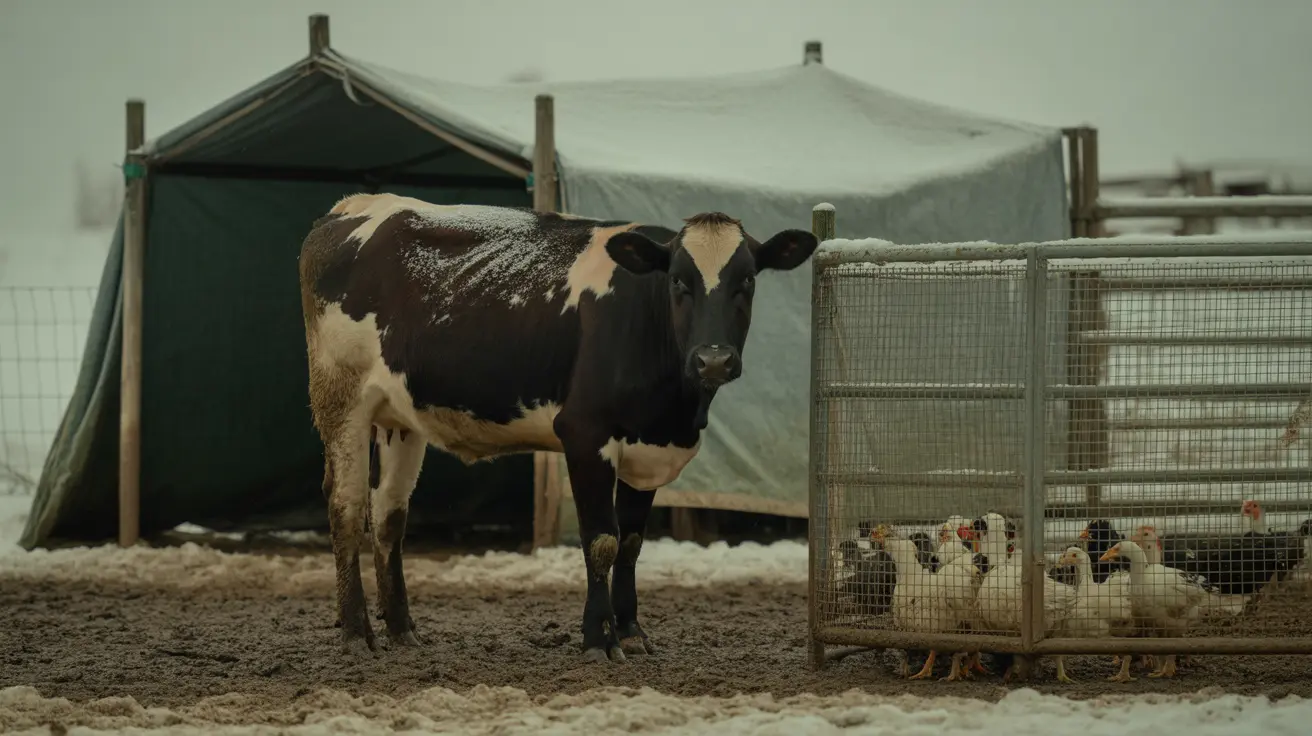
The MSPCA Angell Hadley case involved the removal of numerous animals from what appears to have been an animal sanctuary operation. While specific details about the property's name or exact circumstances remain limited, the scale of the rescue indicates a significant neglect situation that required immediate intervention.
When animals lack basic necessities like food and water, their health deteriorates rapidly. Signs of neglect often include visible weight loss, dehydration, poor coat condition, and behavioral changes indicating stress or illness. These conditions can become life-threatening, particularly during winter months when animals require additional calories and shelter to maintain their body temperature.
Understanding Animal Sanctuary Oversight and Regulation
This incident brings attention to animal sanctuary oversight and regulation across Massachusetts. Legitimate animal sanctuaries must maintain proper licensing, veterinary care, adequate nutrition, and suitable housing for all animals in their care. When sanctuaries fail to meet these standards, animals suffer the consequences.
Proper sanctuary management requires significant resources, including:
- Regular veterinary care and health monitoring
- Consistent access to appropriate nutrition
- Adequate shelter and living spaces
- Trained staff capable of meeting species-specific needs
- Emergency preparedness plans
Winter Care for Farm Animals and Birds
The timing of this rescue highlights the critical importance of winter care for farm animals and birds. Cold weather creates additional challenges for animal caretakers, as animals require more calories to maintain body heat and need protection from harsh elements.
During winter months, responsible caretakers must ensure animals have access to unfrozen water sources, increased food rations, and appropriate shelter. Farm animals and birds are particularly vulnerable to cold stress when their basic needs aren't met.
Signs of Animal Neglect: What to Look For
Recognizing signs of animal neglect lack of food and water can help community members identify situations requiring intervention. Key warning signs include:
- Visible ribs, hip bones, or spine indicating malnourishment
- Dull, matted, or sparse coat conditions
- Lethargy or weakness in animals
- Lack of adequate shelter or clean living conditions
- Multiple animals in poor condition on the same property
Supporting Ethical Farm Animal Sanctuaries
While this case represents a failure in animal care, many legitimate sanctuaries provide excellent homes for rescued farm animals. When supporting ethical farm animal sanctuaries, potential donors and volunteers should research organizations thoroughly, visit facilities when possible, and verify proper licensing and accreditation.
Reputable sanctuaries welcome transparency and are proud to show their facilities, discuss their animal care protocols, and provide documentation of their animals' health and well-being.
Frequently Asked Questions
What happened at the Hadley, Massachusetts animal sanctuary where more than 150 animals were removed?
The MSPCA-Angell conducted a large-scale rescue operation removing over 150 animals from a Hadley property where officials found that many animals lacked access to basic necessities like food and water, indicating significant neglect.
How can I report suspected animal neglect or lack of food, water, or shelter in my community?
Contact your local animal control officer, MSPCA, or law enforcement agency immediately if you suspect animal neglect. Provide specific observations about the animals' conditions and location details to help investigators respond appropriately.
What signs of neglect should I look for in farm animals and birds, especially during winter?
Watch for visible malnutrition, lack of shelter from weather, absence of unfrozen water sources, overcrowded conditions, and animals showing signs of illness or distress. Winter conditions make adequate food, water, and shelter even more critical for animal survival.
Moving Forward: Lessons for Animal Welfare
The Hadley animal rescue serves as a sobering reminder that animal welfare depends on vigilant community oversight and proper regulatory enforcement. While the immediate crisis has been addressed through MSPCA intervention, this case highlights the ongoing need for better education about proper animal care and stronger support systems for legitimate rescue operations.
Pet owners and animal lovers can contribute to preventing similar situations by staying informed about animal welfare issues in their communities and supporting organizations that maintain high standards of animal care.




