
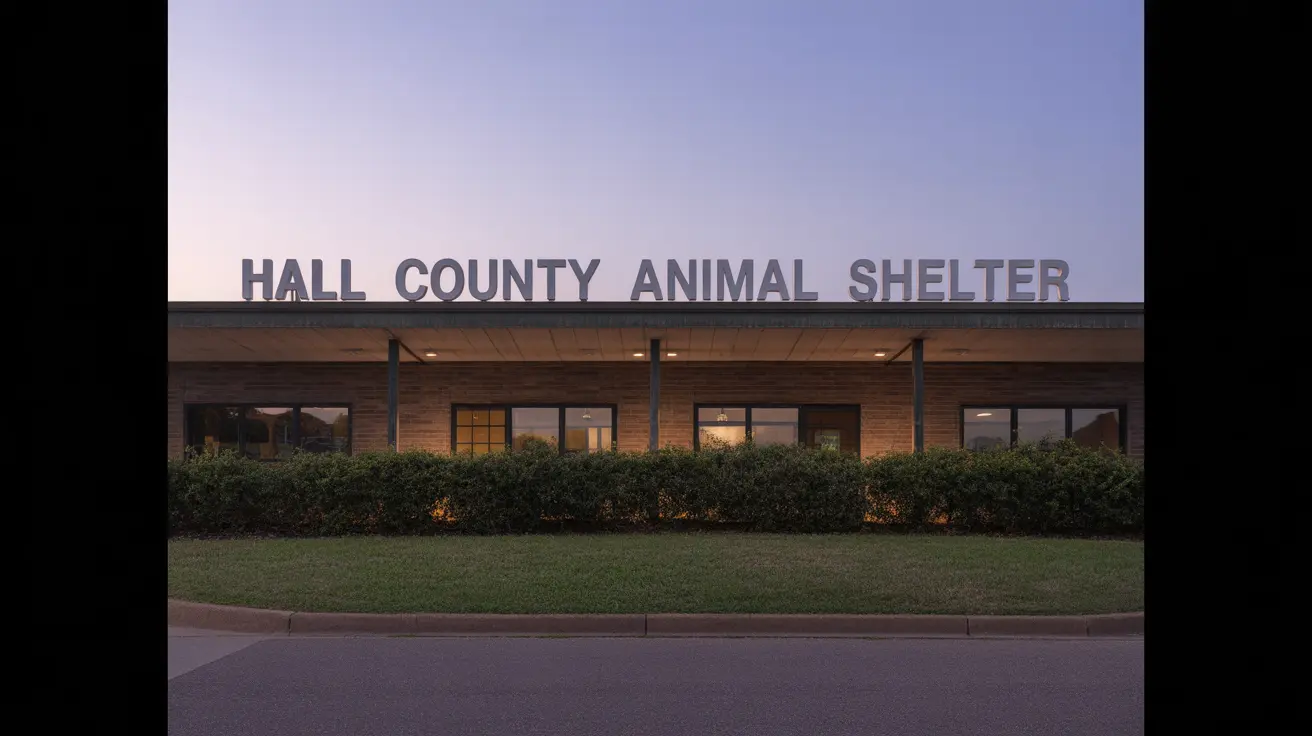
In a disturbing case that highlights the serious issue of animal hoarding, Hall County officials have seized 100 animals from a residence in Gainesville, Georgia. This significant rescue operation represents one of the larger animal hoarding cases in the area, drawing attention to the complex challenges surrounding animal welfare and the mental health issues that often contribute to such situations.
The Hall County animal hoarding case has shocked the local community and underscores the importance of recognizing warning signs and taking action when animal welfare is at risk. With 100 animals rescued Georgia authorities are now working to provide proper care and rehabilitation for the seized pets while investigating the circumstances that led to this situation.
Understanding the Gainesville Hoarding Case
Animal hoarding represents a serious form of animal cruelty, often stemming from complex psychological factors. In this Gainesville hoarding case, the sheer number of animals involved—100 creatures requiring immediate intervention—demonstrates the severity of the situation. Animal hoarding typically begins with good intentions but escalates when owners become unable to provide adequate care, food, shelter, and veterinary attention for their pets.
The rescued animals likely include various species commonly found in hoarding situations. Animal hoarding dogs cats are frequently involved, though cases often extend to include rabbits, birds, and other small animals. Some extreme cases even involve hoarding rabbits horses and livestock, creating additional challenges for rescue and rehabilitation efforts.
Signs of Animal Hoarding to Recognize
Learning to identify signs of animal hoarding can help community members take action before situations become critical. Warning signs include:
- Strong odors emanating from a property
- Excessive numbers of animals visible on the premises
- Animals appearing malnourished, sick, or unkempt
- Property deterioration and unsanitary conditions
- Owners becoming defensive or secretive about their animals
- Animals lacking proper veterinary care
When community members recognize these indicators, knowing how to report animal hoarding becomes crucial for animal welfare.
Georgia Animal Welfare Response and Support
The Hall County Animal Shelter and other Georgia animal welfare organizations now face the significant task of caring for the 100 animals rescued from this hoarding situation. These facilities require substantial resources to provide medical care, behavioral rehabilitation, and eventual rehoming services for animals that have experienced neglect.
Animal cruelty investigation procedures typically involve collaboration between animal control officers, law enforcement, veterinarians, and social services. The goal extends beyond immediate rescue to include addressing the root causes and preventing future incidents.
How Communities Can Help Rescuing Hoarded Animals
Supporting rescue efforts requires community involvement through multiple channels. Residents can donate to animal shelter Georgia facilities to help fund the extensive medical care and rehabilitation these animals require. Many rescued animals need specialized veterinary treatment, behavioral therapy, and extended care before they're ready for adoption.
Those interested in directly helping can foster hoarded pets once they've received necessary medical clearance. Fostering provides crucial temporary homes that allow shelters to manage capacity while giving animals time to recover in a home environment.
The Mental Health Connection
Understanding animal hoarding mental health aspects helps communities develop compassionate responses. Animal hoarding often indicates underlying psychological issues requiring professional intervention. Effective solutions must address both immediate animal welfare concerns and the mental health needs of individuals involved in hoarding situations.
No-kill shelter progress in Georgia has improved outcomes for animals rescued from hoarding situations, providing extended rehabilitation opportunities that might not have existed in previous years.
Frequently Asked Questions
What happened in the Hall County animal hoarding case in Gainesville?
Hall County officials seized 100 animals from a Gainesville residence in a major hoarding case. The animals are now receiving care while authorities investigate the situation and work toward rehabilitation and rehoming efforts.
How can I recognize signs of animal hoarding in my neighborhood?
Warning signs include strong odors, excessive numbers of visible animals, malnourished or sick-appearing pets, property deterioration, and owners becoming defensive about their animals. Multiple animals lacking proper veterinary care often indicate hoarding situations.
What should I do if I suspect animal hoarding near me?
Contact local animal control authorities or animal welfare organizations to report suspected hoarding. Provide specific observations without confronting the property owner directly, as this could escalate the situation or prompt relocation of animals.
How can I help Hall County Animal Shelter after the recent hoarding rescue?
Support options include monetary donations to cover medical costs, volunteering time, donating supplies like food and bedding, or applying to foster animals once they're medically cleared for placement.
Moving Forward
The Hall County animal hoarding case serves as a reminder that animal welfare requires community vigilance and compassion. By understanding warning signs, supporting rescue organizations, and advocating for both animal welfare and mental health resources, communities can work together to prevent similar situations and ensure better outcomes for vulnerable animals.
This significant rescue operation demonstrates the dedication of Georgia animal welfare professionals and the importance of continued public support for organizations working to protect animals throughout the state.




