
Why Glue Traps Are Cruel to All Animals
Glue traps represent one of the most inhumane pest control methods available today. When animals become trapped on these adhesive surfaces, they experience prolonged suffering that can last for hours or even days. The struggle to escape often results in torn skin, broken bones, and extreme dehydration.
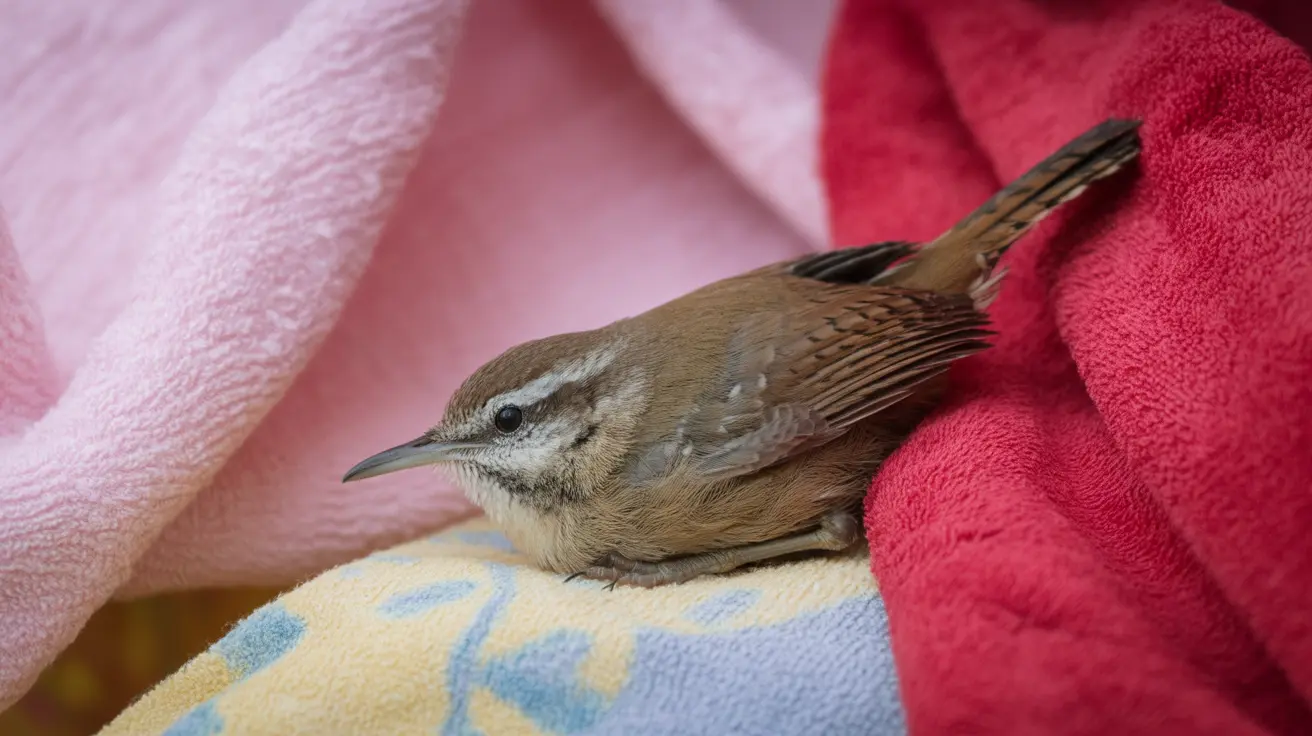
Unlike snap traps that provide quick death, glue traps cause animals stuck in glue traps to endure a slow, agonizing process. Birds, squirrels, lizards, and even domestic cats have been found adhered to these devices, often requiring extensive veterinary intervention to remove the adhesive safely.
Santa Barbara Wildlife Rescue Efforts
Local wildlife rehabilitation centers in Santa Barbara have reported unprecedented numbers of animals requiring emergency treatment for glue trap injuries. The rescue process is complex and time-sensitive, requiring specialized techniques to dissolve the adhesive without causing additional harm to already traumatized animals.
Many of these rescued animals require weeks of rehabilitation before they can be released back into their natural habitats. Some suffer permanent disabilities or must be humanely euthanized due to the severity of their injuries.
Humane Pest Control Alternatives
Property owners seeking effective rodent control without glue traps have numerous options available. Snap traps, when properly placed and monitored, provide quick elimination of target pests without the prolonged suffering associated with adhesive devices.
Non-toxic pest control methods include exclusion techniques such as sealing entry points, removing food sources, and using natural deterrents like peppermint oil. These pet-safe pest control approaches protect both intended targets and non-target wildlife from harm.
Electronic and Physical Barriers
Ultrasonic deterrents and physical barriers offer long-term solutions that don't pose risks to wildlife or pets. These methods focus on prevention rather than elimination, creating environments that discourage pest activity without causing animal suffering.
Legal Status and Glue Trap Ban Movements
While glue traps banned California discussions continue at the state level, several municipalities have already taken action. The glue trap ban San Francisco enacted serves as a model for other communities concerned about wildlife welfare and public safety.
These local ordinances recognize that glue traps health hazard extends beyond animal welfare concerns to include public health risks from diseased animals dying in inaccessible locations.
How Pet Owners Can Help
Pet owners play a crucial role in protecting local wildlife by choosing responsible pest control methods. When selecting pest control services or products, inquire specifically about their use of glue traps and request alternative approaches.
If you discover wildlife injured glue traps on your property or in your neighborhood, contact local animal control or wildlife rehabilitation centers immediately. Quick intervention significantly improves survival chances for affected animals.
Frequently Asked Questions
What should I do if I find a wild animal stuck to a glue trap?
Contact local wildlife rehabilitation services or animal control immediately. Do not attempt removal yourself, as improper techniques can cause additional injury. Keep the area quiet and avoid handling the trapped animal until professionals arrive.
Why are glue traps dangerous to birds and other wildlife besides rodents?
Glue traps are indiscriminate and will trap any animal that contacts the adhesive surface. Birds, lizards, squirrels, and even small pets can become stuck while investigating or accidentally encountering these devices placed outdoors or near entry points.
Are glue traps banned in California, and what cities have prohibited them?
While California hasn't enacted a statewide ban, several cities including San Francisco have prohibited glue trap sales and use. Local ordinances vary, so check with your municipality about current regulations in your area.
What are the most humane alternatives to glue traps for pest control?
Snap traps, exclusion methods, natural deterrents, and electronic devices provide effective pest control without prolonged animal suffering. Focus on sealing entry points and removing attractants for long-term prevention.
Protecting Wildlife Through Responsible Choices
The record number of wildlife injuries in Santa Barbara serves as a wake-up call for communities everywhere. By choosing humane pest control alternatives and supporting legislation that protects animals from unnecessary suffering, we can address pest problems while maintaining our commitment to wildlife welfare.
Every decision to avoid glue traps represents a step toward more compassionate pest management practices that protect both our homes and the animals that share our environment.




