
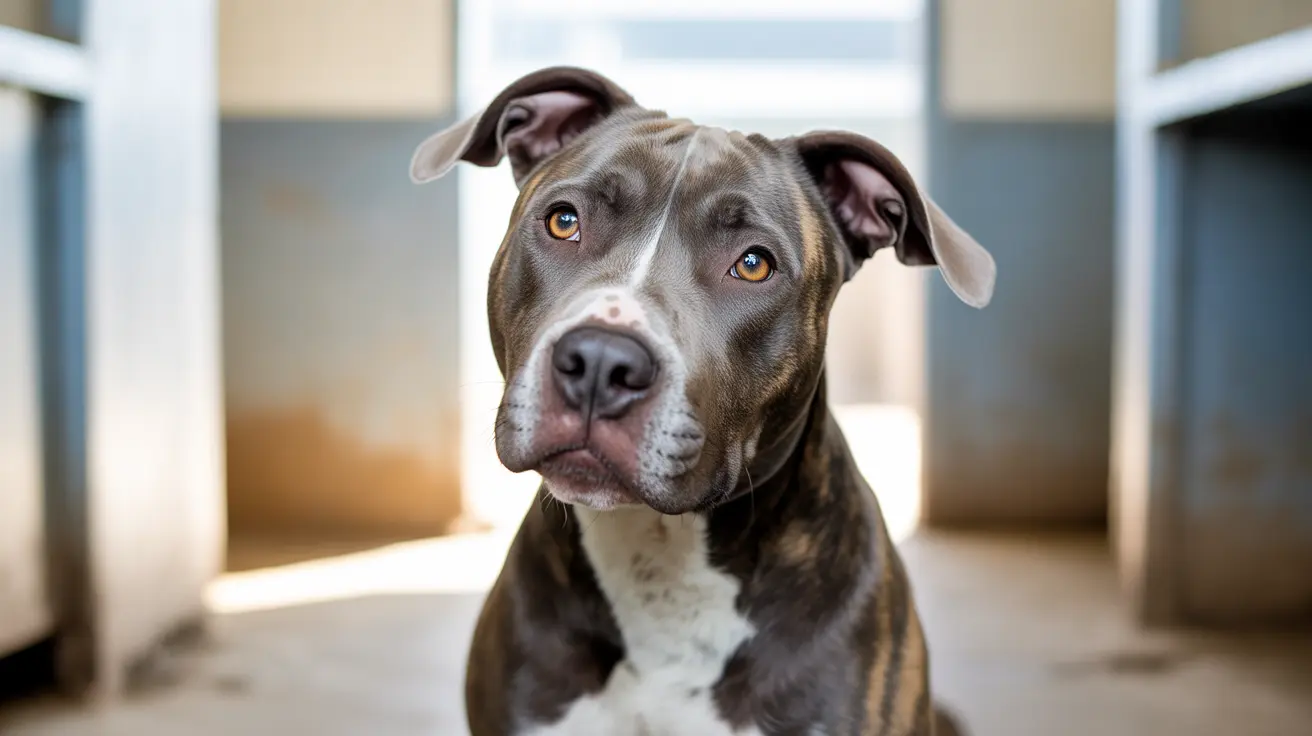
A major illegal dogfighting operation in Horry County, South Carolina, has been dismantled following an investigation that resulted in serious criminal charges against two individuals. Authorities filed 33 counts of ill-treatment to animals and 16 counts of animal fighting, highlighting the ongoing battle against underground dogfighting rings in the Southeast United States.
This case underscores the persistent problem of dogfighting despite federal bans and comprehensive animal protection laws. For pet owners and animal advocates, understanding the signs of dogfighting abuse and knowing how to report suspected operations remains crucial in protecting vulnerable animals from these brutal practices.
The Reality of Dogfighting in South Carolina
The Horry County dogfighting bust reveals the harsh conditions that fighting dogs endure in illegal operations. While specific details about the rescued animals have not been fully disclosed, dogfighting typically involves systematic abuse designed to make dogs more aggressive and willing to fight.
Pit bulls and similar breeds are most commonly exploited in these operations, though any dog can become a victim. The animals often suffer from severe malnutrition, untreated injuries, and psychological trauma from constant exposure to violence and neglect.
Signs of Dogfighting Abuse and Neglect
Recognizing the warning signs of dogfighting operations can help community members identify and report these illegal activities. Dogs involved in fighting rings typically show specific physical and behavioral indicators that distinguish them from pets in loving homes.
Physical Signs of Fighting Dog Abuse
Dogs rescued from fighting operations often display obvious signs of abuse and neglect. Emaciation is common, as handlers may deliberately underfeed animals or use starvation as a training method. Fresh and healed bite wounds, particularly around the face, neck, and legs, indicate recent or past fighting activity.
Other physical indicators include scarring from previous fights, missing teeth or ear cropping done without veterinary care, and muscle development that suggests forced exercise regimens designed to build fighting stamina.
Behavioral Indicators
Beyond physical signs, dogs from fighting rings may exhibit fearful or aggressive behaviors toward humans and other animals. They might show extreme wariness around strangers or react with panic to sudden movements or loud noises.
Penalties and Legal Consequences
The charges filed in this Horry County case reflect the serious legal consequences for animal fighting and cruelty. Animal fighting is a federal felony under the Animal Welfare Act, while individual states like South Carolina have additional laws that can result in significant fines and prison time.
Those convicted of animal fighting charges may face not only criminal penalties but also lifetime bans on pet ownership and supervision during any future animal interactions. The severity of the charges often depends on the scale of the operation and the extent of animal suffering involved.
Rehabilitation of Rescued Fighting Dogs
When dogs are rescued from fighting operations, they require specialized rehabilitation to overcome their traumatic experiences. This process typically involves comprehensive veterinary care to address physical injuries and malnutrition, followed by behavioral therapy to help the animals learn to trust humans again.
Many rescued fighting dogs can eventually be rehabilitated and placed in loving homes, though the process requires patience, expertise, and significant resources. Some animals may need long-term sanctuary care if their behavioral issues cannot be fully resolved.
How to Report Suspected Dogfighting
Community vigilance plays a crucial role in identifying and stopping dogfighting operations. Suspected activities should be reported to local law enforcement, animal control agencies, or the USDA's Office of Inspector General, which investigates federal animal welfare violations.
Signs of potential dogfighting operations include unusual numbers of pit bull-type dogs kept in poor conditions, evidence of training equipment like treadmills or fighting rings, and properties with high security measures that seem disproportionate to their apparent purpose.
Frequently Asked Questions
What are the signs of dogfighting abuse in pit bulls like emaciation and bite wounds?
Dogs involved in fighting operations typically show emaciation from poor nutrition, multiple bite wounds in various stages of healing, scarring from previous fights, and muscle development from forced exercise. They may also have cropped ears done without proper veterinary care and missing teeth from fighting.
How can I report suspected illegal dogfighting operations in South Carolina?
Suspected dogfighting should be reported to local law enforcement, the Horry County Animal Control, or the USDA Office of Inspector General. You can also contact the Humane Society's animal fighting tip line. Provide as much specific information as possible while avoiding direct confrontation with suspected operators.
What happens to dogs rescued from dogfighting rings during rehabilitation?
Rescued fighting dogs receive immediate veterinary care for injuries and malnutrition, followed by behavioral rehabilitation to address trauma and aggression. The process can take months or years, with some dogs eventually finding adoptive homes while others may require long-term sanctuary care depending on their individual needs and behavioral progress.
Moving Forward
The Horry County dogfighting case serves as a reminder that animal fighting continues despite legal prohibitions and public awareness efforts. By staying informed about the signs of abuse and maintaining community vigilance, pet owners and animal advocates can help protect vulnerable animals and support law enforcement efforts to shut down these cruel operations.




