
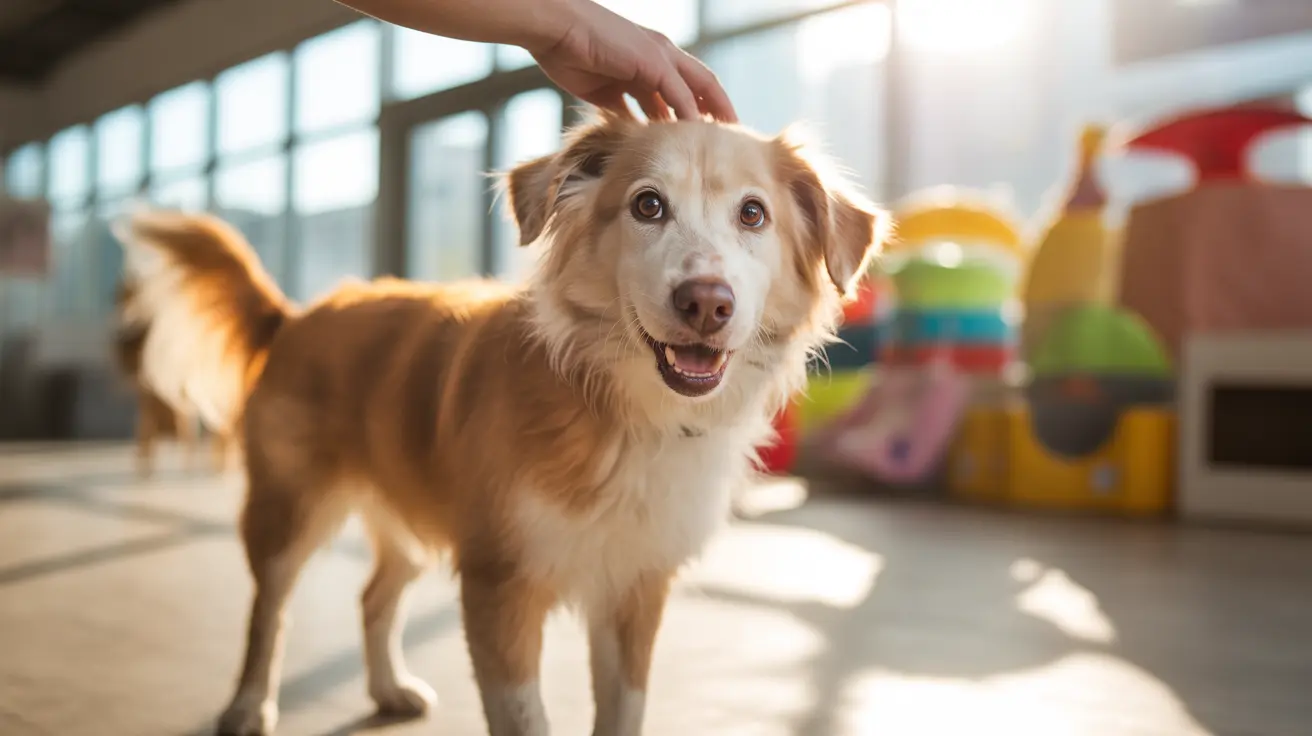
Illinois has emerged as a national leader in animal protection under Governor J.B. Pritzker's administration, with groundbreaking legislation that has transformed how pets are sold, adopted, and protected throughout the state. The Illinois Humane Pet Store Act represents the cornerstone of these efforts, fundamentally changing the landscape of pet retail and adoption practices.
Under Pritzker's leadership, Illinois has enacted numerous animal welfare laws that address everything from puppy mills to racing industries, creating a comprehensive framework for animal protection. These legislative achievements demonstrate how state-level action can create meaningful change for millions of animals while setting an example for other states to follow.
Pritzker Animal Welfare Laws Transform Pet Retail Industry
The Humane Pet Store law stands as one of the most significant pieces of animal protection legislation in recent Illinois history. This groundbreaking law prohibits pet stores from selling dogs and cats from commercial breeding operations, effectively cutting off the pipeline between puppy mills and retail outlets.
Instead of sourcing animals from commercial breeders, pet stores must now work exclusively with legitimate rescue organizations and animal shelters. This shift has created new opportunities for homeless pets while simultaneously reducing demand for commercially bred animals that often come from substandard breeding facilities.
Dog Racing Ban Illinois: Ending Decades of Exploitation
Pritzker's commitment to animal welfare extends beyond pet stores to include the elimination of racing industries that have long exploited animals for entertainment. The dog racing ban Illinois implemented represents a major victory for animal protection advocates who have worked for years to end greyhound racing in the state.
The greyhound racing prohibition effectively shuttered tracks that had operated for decades, ensuring that thousands of racing dogs would no longer face the risks and hardships associated with commercial racing. This legislation positioned Illinois among the growing number of states recognizing that using animals for racing entertainment is no longer acceptable in modern society.
Horse Racing Ban Hawthorne and Track Safety Measures
The horse racing ban Hawthorne and other tracks implemented builds upon Illinois' comprehensive approach to animal welfare. While horse racing continues in some forms, enhanced safety measures and stricter oversight have significantly improved conditions for racing animals.
These changes reflect a broader understanding that entertainment involving animals must prioritize animal welfare above profit margins. The legislation includes provisions for better track conditions, veterinary oversight, and retirement planning for racing animals.
Pet Store Adoption Laws and Shelter Partnerships
The pet store adoption laws have created unprecedented opportunities for animal shelters and rescue organizations throughout Illinois. By requiring pet stores to partner with legitimate rescue groups, the legislation has created new pathways for homeless animals to find loving families.
This approach benefits both animals and consumers, as shelter pets typically come with health screenings, vaccinations, and behavioral assessments that commercial breeding operations often skip. Pet stores can still operate profitable businesses while contributing to animal welfare rather than perpetuating harmful breeding practices.
Microchipping Adopted Pets and Enhanced Tracking
New requirements for microchipping adopted pets ensure that animals have permanent identification that can reunite them with families if they become lost. This technology has proven invaluable in reducing the number of animals that end up permanently separated from their families.
The microchipping requirements work in conjunction with enhanced record-keeping systems that track animal movements from shelters through adoption, creating accountability throughout the process.
No-Kill Shelters Illinois Initiative and Improved Outcomes
The push toward no-kill shelters Illinois has supported represents a fundamental shift in how communities approach animal welfare. Rather than treating euthanasia as a routine population control method, these initiatives focus on increasing adoption rates, improving medical care, and expanding foster programs.
This approach requires increased funding and community support, but the results speak for themselves. Communities that embrace no-kill philosophies typically see higher adoption rates, increased community engagement, and better outcomes for both animals and families.
Frequently Asked Questions
What is Illinois' Humane Pet Store Act and how does it affect buying dogs or cats?
The Illinois Humane Pet Store Act prohibits pet stores from selling dogs and cats sourced from commercial breeding operations. Instead, stores must partner with legitimate animal shelters and rescue organizations. This means consumers can still find pets at retail locations, but those animals come from rescue situations rather than puppy mills, ensuring better health and welfare standards.
Did Governor Pritzker ban dog racing in Illinois, and what does it mean for greyhounds?
Yes, Governor Pritzker signed legislation that effectively ended greyhound racing in Illinois. This ban means racing tracks can no longer operate dog racing events, protecting thousands of greyhounds from the risks associated with commercial racing. The legislation includes provisions for the retirement and rehoming of racing dogs.
How have Pritzker's animal welfare laws changed pet store adoptions in Chicago?
Pritzker's animal welfare laws have transformed pet stores into adoption centers that partner with local shelters and rescues. This has increased adoption opportunities for homeless animals while ensuring consumers have access to pets that come with proper health screenings and behavioral assessments. Pet stores can still operate successfully while contributing to animal welfare rather than supporting puppy mills.
Illinois' comprehensive approach to animal welfare under Governor Pritzker demonstrates how thoughtful legislation can create systemic change that benefits animals, families, and communities. These laws serve as a model for other states seeking to improve animal protection while maintaining viable pet retail and adoption systems.




