
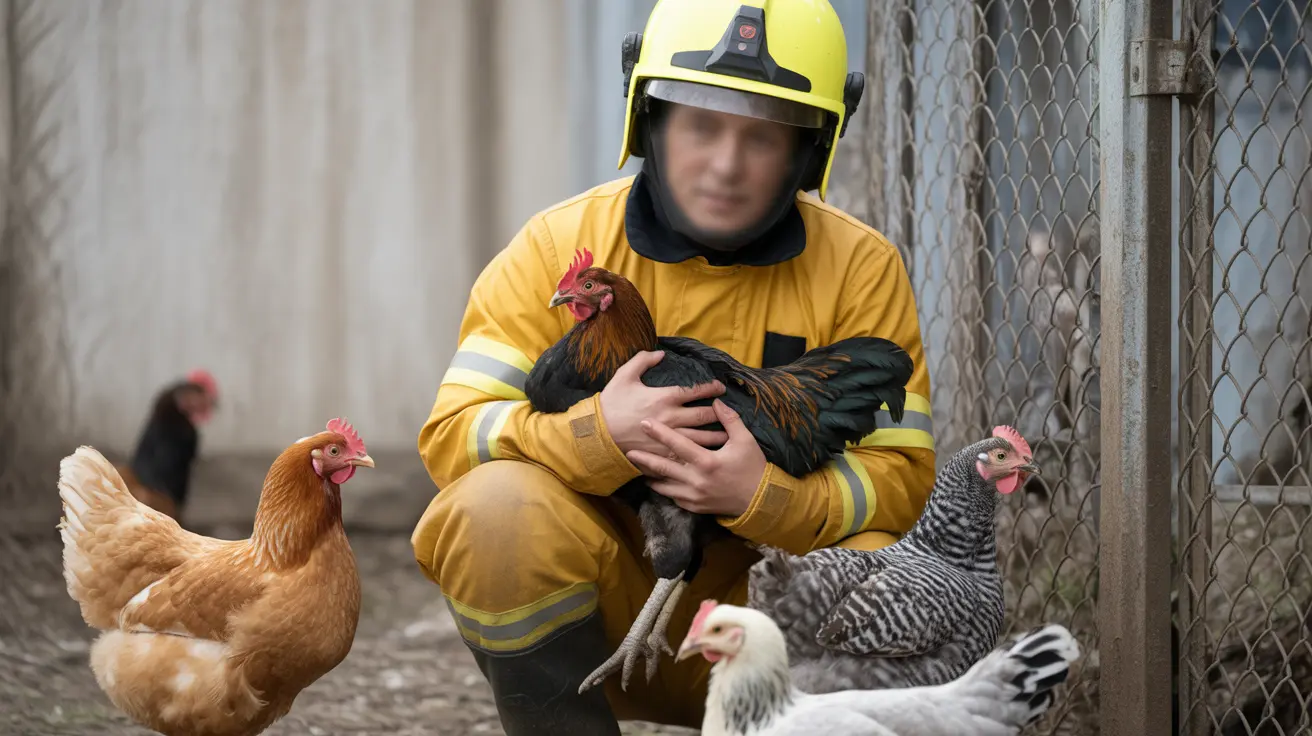
A year after devastating wildfires swept through Los Angeles, a CBS reporter is sharing powerful memories of the animal rescue efforts that emerged during the crisis. The coverage highlights the extraordinary coordination between rescue organizations, shelters, and everyday heroes who stepped up to save countless pets and wildlife displaced by the flames.
The Los Angeles wildfires pets rescue operation became one of the largest coordinated animal emergency responses in California history. As flames threatened communities across the region, the focus quickly expanded beyond human evacuation to include the thousands of beloved pets and animals caught in the disaster zone.
Major Organizations Leading LA Wildfire Animal Rescue
Several key organizations mobilized immediately when the fires broke out. Best Friends Animal Society LA coordinated evacuation efforts and provided temporary sheltering for displaced animals. Their rapid response teams worked around the clock to transport pets from danger zones to safety.
Pasadena Humane wildfire response teams deployed specialized equipment and trained personnel to assist with large-scale animal evacuations. The organization's experience with emergency protocols proved invaluable as they helped coordinate rescue efforts across multiple fire zones.
Wings of Rescue flights LA operations provided critical air transport for animals needing immediate relocation. These flights helped redistribute pets to shelters with available capacity, preventing overcrowding in local facilities already stretched to their limits.
Emergency Transport and Shelter Support
American Humane pet transport services worked alongside local agencies to move animals quickly and safely. Their specialized vehicles equipped with climate control and medical supplies ensured that rescued pets received proper care during transport to temporary shelters.
LA Animal Services fostering programs expanded rapidly to accommodate the surge of displaced pets. The agency launched emergency foster recruitment drives, asking community members to provide temporary homes for animals whose owners were evacuating or whose homes had been destroyed.
Addressing Shelter Capacity Challenges
Animal shelters LA capacity became a critical concern as rescue operations intensified. Facilities that were already near full occupancy suddenly faced an influx of wildfire-affected animals requiring immediate care and housing.
To address this challenge, shelters implemented emergency protocols including extended fostering programs, partnerships with out-of-area facilities, and streamlined adoption processes to help cleared space for incoming animals.
Pet Reunification After Fires
Lost pets wildfire hotline services became essential tools for reuniting families with their animals. These dedicated phone lines, staffed by volunteers and shelter personnel, helped coordinate the massive effort to match found pets with their worried owners.
Pet reunification after fires involved sophisticated tracking systems, social media campaigns, and on-ground search teams. Microchip scanning became a crucial tool, highlighting the importance of proper pet identification for all pet owners.
Community Heroes Make a Difference
The CBS reporter saves animals fire coverage revealed how individual community members, including journalists, stepped beyond their usual roles to help with rescue efforts. These personal accounts demonstrate the powerful human-animal bond and the lengths people will go to protect vulnerable pets.
Wildfire wildlife care LA teams also addressed the needs of native animals affected by the fires, working to rehabilitate injured wildlife and relocate healthy animals to safer habitats away from the fire zones.
Emergency Preparedness for Pet Owners
The Los Angeles wildfire experience offers valuable lessons for all pet owners about emergency preparedness. Having an evacuation plan that includes pets, maintaining updated identification tags and microchips, and keeping emergency supplies ready can make the difference between a successful rescue and tragedy.
Pet owners should establish relationships with veterinarians outside their immediate area and research pet-friendly evacuation centers in advance. Creating a go-bag with essential pet supplies including medications, food, and comfort items ensures rapid evacuation when every second counts.
Frequently Asked Questions
How can I foster or adopt a pet displaced by the Los Angeles wildfires to help overwhelmed shelters?
Contact local animal shelters and rescue organizations directly to learn about current fostering and adoption needs. Many facilities maintain waitlists of potential foster families and can match you with pets based on your experience and living situation. Emergency fostering may require less paperwork than traditional programs to expedite placements.
What organizations helped rescue and transport animals during the 2025 LA wildfires?
Major organizations included Best Friends Animal Society, Pasadena Humane, Wings of Rescue, American Humane, and LA Animal Services. These groups coordinated evacuation efforts, provided emergency transport, and managed temporary sheltering for displaced animals during the crisis.
Where can I find lost pets or report a missing animal after the Los Angeles wildfires?
Contact the dedicated wildfire pet hotlines established by local animal services and check with all area shelters and rescue organizations. Social media platforms and community bulletin boards also serve as important tools for posting and searching for missing pets. Always ensure your pet's microchip information is current and accessible.
The heroic efforts during the Los Angeles wildfires demonstrate the incredible resilience of both the animal rescue community and ordinary citizens who answered the call to help. These experiences serve as powerful reminders of our responsibility to protect all vulnerable creatures during times of crisis.




