
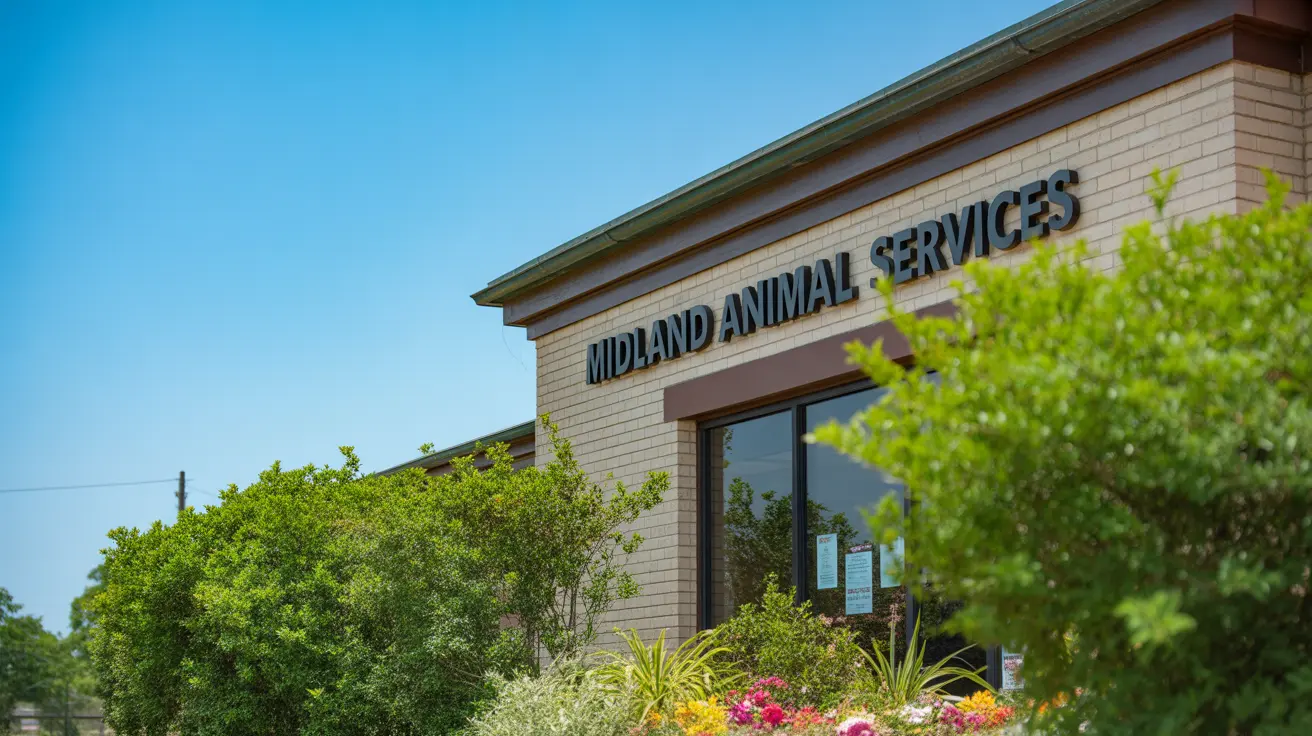
Midland Animal Services has reached a significant milestone, with more animals leaving the shelter alive than being euthanized during December 2025, according to the facility's monthly report released January 12. This achievement represents a positive shift in animal welfare outcomes for the Midland, Texas community and offers hope for pet owners and animal advocates alike.
The improved live release rate at Midland Animal Services demonstrates the shelter's commitment to finding positive outcomes for animals in their care. This development comes as communities across Texas and the nation continue working to reduce euthanasia rates while addressing ongoing challenges with stray animal populations and shelter capacity.
Understanding Live Release Rates in Animal Sheltering
Live release rates measure the percentage of animals that leave shelters through positive outcomes such as adoptions, transfers to rescue organizations, or returns to their owners. When shelters achieve higher live release rates than euthanasia rates, it indicates successful programs and community support for animal welfare initiatives.
Several factors contribute to improved shelter outcomes, including robust adoption programs, partnerships with rescue organizations, effective spay and neuter initiatives, and strong community engagement. Midland Animal Services' December achievement reflects the combined efforts of staff, volunteers, and community members working together to save more lives.
Factors Contributing to Improved Animal Adoptions in Midland TX
Successful animal adoptions require multiple strategies working in harmony. Shelters that achieve positive outcomes typically focus on making pets more adoptable through medical care, behavioral training, and proper socialization. Marketing efforts that showcase animals' personalities and compatibility with different family types also play crucial roles in connecting pets with suitable homes.
Community partnerships enhance adoption success rates significantly. When local rescue organizations, veterinary clinics, and community groups collaborate with municipal shelters, more animals find placement opportunities. These partnerships often extend beyond simple transfers, including foster programs that help animals recover from medical issues or behavioral challenges.
Addressing Shelter Euthanasia Reasons and Prevention
Understanding why animals face euthanasia helps communities develop targeted solutions. Common reasons include severe medical conditions, behavioral issues that pose safety concerns, and shelter overcrowding. Progressive shelters work to minimize these factors through preventive veterinary care, behavior modification programs, and capacity management strategies.
Pet owners can help reduce euthanasia rates by ensuring their animals are spayed or neutered, properly identified with tags or microchips, and kept secure to prevent them from becoming strays. Supporting local shelter programs through volunteering, donations, or fostering also directly impacts live release outcomes.
The Role of Stray Animal Intakes in Shelter Operations
High stray animal intakes present ongoing challenges for shelters like Midland Animal Services. When large numbers of lost or abandoned animals enter the shelter system, it strains resources and can impact overall live release rates. Effective stray reduction requires community-wide approaches including accessible spay and neuter services, responsible pet ownership education, and robust lost pet reunification programs.
Returns to owner programs play vital roles in achieving positive shelter statistics. When lost pets are quickly reunited with their families, it frees shelter space for animals that truly need new homes while maintaining high live release rates.
Supporting Animal Shelter Success in Your Community
Pet owners and animal lovers can contribute to shelter success through various means. Adopting from shelters rather than purchasing from pet stores or puppy mills directly impacts live release rates. Volunteering time for dog walking, cat socialization, or administrative tasks helps shelters operate more efficiently and provide better care for animals.
Financial donations support medical care, behavioral training, and facility improvements that make shelters more effective. Even small contributions can fund vaccinations, spay and neuter procedures, or enrichment activities that improve animals' adoptability.
Frequently Asked Questions
What was the live release rate at Midland Animal Services in December 2025?
While specific percentages weren't provided in the monthly report, Midland Animal Services confirmed that more animals left the shelter alive than were euthanized during December 2025, indicating a live release rate above 50% for the month.
How can I help improve live release rates at animal shelters like Midland's?
You can support shelter live release rates by adopting rather than shopping for pets, volunteering your time, donating money or supplies, fostering animals in need, and ensuring your own pets are spayed/neutered and properly identified to prevent them from entering the shelter system.
What are the main reasons for high stray intakes at Midland Animal Services?
Common factors contributing to high stray intakes include lost pets without proper identification, abandoned animals, and pets that escape from unsecured properties. Community education about responsible pet ownership and accessible spay/neuter services help address these issues.
Midland Animal Services' December achievement represents progress in animal welfare that benefits the entire community. By supporting local shelter initiatives and practicing responsible pet ownership, residents can help maintain and improve these positive outcomes for animals in need.




